
Reviewed · MUSEUMS
Varna: Archaeological Museum Ticket & E-Guide
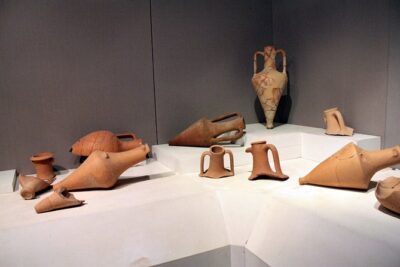
Varna’s Archaeological Museum holds one of the most striking ancient gold collections in Bulgaria, along with far older traces of human life. You move through the permanent exhibition in chronological order, from Early Paleolithic tools to the city of Odessos and later periods.
I like the self-guided format, which lets you linger over jewelry, tombstones, surgical tools, and everyday objects instead of following a fixed group. I also like the included personalized e-guide, especially since many displays need more context than a quick label can provide. The main drawback is language coverage: English, Bulgarian, and Russian are listed, while some object descriptions are only in Bulgarian.
Key points
- See ancient gold and everyday tools: The museum pairs impressive jewelry with ordinary equipment that shows how people lived and worked.
- Follow thousands of years in order: The permanent exhibition moves from the Early Paleolithic Age through the Bronze and Iron Ages and toward Odessos.
- Learn at your own pace: You can pause at skeletons, tombstones, hunting equipment, and surgical tools without keeping up with a guide.
- Use the e-guide for context: The digital guide explains Varna and the surrounding region in English, Bulgarian, or Russian.
- Plan for the language gap: Some labels may be in Bulgarian only, and temporary exhibitions cost extra.
- Allow one museum day: The ticket is valid for one day, giving you flexibility rather than forcing a short visit.
Why Varna’s museum matters
This is not simply a display of attractive objects in glass cases. The Archaeological Museum presents the long human story of the Varna region, beginning with the Early Paleolithic Age and continuing through several major eras.
That broad time span is the museum’s main strength. You are not looking at one isolated civilization. Instead, you can see how tools, burial customs, ornaments, weapons, and household objects changed over thousands of years.
I find this approach useful because it places the celebrated pieces in context. Gold jewelry may catch your eye first, but a hunting tool or surgical instrument can tell you just as much about daily life, technology, and social change.
The exhibition also gives special attention to the founding of Odessos, the ancient city that became modern Varna. That section connects the objects in the cases with the city outside the museum doors. You are not just studying an old settlement. You are tracing the early development of the place you are visiting today.
A few more Varna trips to weigh up
- Self-guided tour in Varna Archaeological Museum + ticket
★ 3.5 · 14 reviews - Admission Ticket to the Museum of Illusions in Sofia
★ 5.0 · 659 reviews - From Sofia: Rila Monastery and Optional Museum, Cave or Spa
★ 4.6 · 270 reviews
Starting with the Early Paleolithic Age
The permanent exhibition is arranged chronologically, so your visit begins with the earliest human presence in the region. Early Paleolithic objects may not have the visual drama of gold jewelry, but they give the museum its proper starting point.
These early tools represent basic survival skills. They point to hunting, cutting, preparing food, and working with materials long before written records. The objects are simple, yet they mark an important stage in human development.
I recommend taking time here instead of rushing toward the better-known pieces. The opening displays establish the scale of the story. By the time you reach the later periods, you will have a clearer sense of how much technology and society changed.
The e-guide should be particularly useful in this section. A small stone tool can be difficult to understand from a label alone. Extra explanation can help you see why the object matters and what it reveals about life in the region.
Bronze and Iron Age discoveries
The route continues through the Bronze and Iron Ages, when communities developed new ways to make tools, weapons, ornaments, and other objects. These periods provide a bridge between the earliest settlements and the more organized urban world that followed.
You might find tombstones, jewelry, hunting equipment, and household tools from these later prehistoric periods. Together, they show that the past was not only about rulers or battles. It was also about work, burial, clothing, food, craft, and family life.
The mix of objects is important. Jewelry can reveal personal taste, status, or ritual use. A hunting tool points to food and survival. A tombstone offers clues about death and memory. A surgical instrument suggests a level of practical medical skill that is easy to overlook when you focus only on grand monuments.
The museum’s chronological order helps you compare these changes. You can watch objects become more specialized and societies become more complex as you move forward.
The human stories behind tombstones and skeletons
Tombstones and skeletons give the exhibition a direct human quality. They are not as polished as jewelry, but they bring the people of the region into the room.
A skeleton can tell you that archaeology is not just about buildings and objects. It is also about bodies, health, age, burial practice, and the ways communities treated their dead. The information available through the e-guide may help explain what you are seeing and why the remains are included.
Tombstones add another layer. They can mark identity, belief, social position, or remembrance. Even when you cannot read every inscription, their form and setting help you understand how people recorded lives and deaths.
For some visitors, this will be the most serious part of the museum. If you prefer a quick collection of beautiful objects, these displays may slow your pace. I think that is a good thing. The museum is strongest when you allow the less glamorous pieces to balance the gold.
Same country, a completely different kind of day:
- The OFFroad Adventure
★ 4.5 · 151 reviews - Full-Day Small-Group Tour of Bulgaria by Minivan with Lunch
★ 5.0 · 59 reviews - Bulgaria Cycling Day Tours – country & sea
★ 5.0 · 51 reviews - Varna: Guided VIP Tour
★ 4.8 · 42 reviews
Jewelry, gold, and the museum’s visual highlight
The gold collection is likely to be the visual high point of your visit. Jewelry and other precious objects provide the sparkle, but their importance goes beyond appearance.
Gold tells you about craftsmanship, access to resources, trade, status, and ceremony. The pieces can also help explain how people presented themselves and what objects they considered valuable enough to preserve or bury.
One of the most praised parts of the visit is the display of the old gold treasure. Plan to give this area extra time, even if you normally move quickly through museums. Look at the workmanship, then step back and consider the labor behind each object.
The contrast with the stone tools and everyday implements makes the jewelry more meaningful. You see both ordinary life and elite or ceremonial culture in the same building. That balance keeps the museum from becoming a simple treasure room.
Photography in the exhibition halls is allowed only after paying a fee. If taking pictures matters to you, check the photography rules before raising your camera. Otherwise, plan to view the objects without photographing them.
Surgical tools and evidence of practical skill
The surgical instruments are one of the more unusual parts of the collection. They may appeal to you if you like objects that reveal what people actually did rather than what they merely owned.
Tools connected with surgery point to practical knowledge and organized techniques. They raise questions about who used them, how medical work was performed, and how communities dealt with injury and illness.
This section also widens the museum’s focus. You are not only seeing jewelry, weapons, and burial objects. You are seeing evidence of care, treatment, and technical work.
I would use the e-guide closely here. Without explanation, a surgical tool may look like an unfamiliar metal object. With context, it becomes evidence of medical practice and the skills available in the region.
Everyday equipment makes the past easier to picture
The everyday tools may be less famous than the ancient gold, but they can be more helpful when you are trying to picture ordinary life.
Hunting equipment shows how people sought food and used their surroundings. Household tools suggest cooking, craft, repairs, and other tasks. These objects document the development of society through routine actions, not only major political events.
This is where the museum can feel most relatable. You may not recognize every tool, but you will understand the basic need behind many of them. People needed food, clothing, shelter, transport, treatment, and ways to remember the dead.
I like museums that include this practical side of the past. It gives you a fuller picture than a room filled only with precious objects. Look for changes in form and material as you progress through the exhibition. Those small changes show how technology developed over time.
Odessos and the origins of modern Varna
The museum gives special attention to the founding of Odessos, the ancient settlement that became Varna. This is one of the most useful parts of the visit if you are spending time in the city itself.
The story connects the archaeological collections to Varna’s identity. You can learn how the city fits into the wider history of the region and how earlier settlement shaped the place you see today.
The e-guide is especially valuable here because the founding of a city involves more than a single object. You need dates, background, and links between artifacts to understand why Odessos mattered.
As you walk through this portion, think of it as a city orientation lesson. Afterward, older areas of Varna may make more sense because you have already seen the layers beneath the modern streets.
How the e-guide changes the visit
This is a self-guided experience, not a scheduled walking tour with a live museum lecturer. That gives you freedom, but it also means you must take responsibility for your pace and attention.
The personalized e-guide is included with the ticket and is designed to be loaded onto your device. It provides information and interesting facts about the region and the pieces on display.
I would use it as a companion rather than listening to every word automatically. Focus on the sections that interest you most. If you enjoy ancient technology, spend more time with tools and surgical equipment. If jewelry and burial customs are your priority, use the guide to build a stronger understanding of those displays.
The listed languages are English, Bulgarian, and Russian. German is not listed, and some descriptions may appear only in Bulgarian. If you need German explanations, this may be a real limitation. English readers should have a better chance of following the main story, but you should still expect that not every label will be equally detailed.
Building, access, and practical comfort
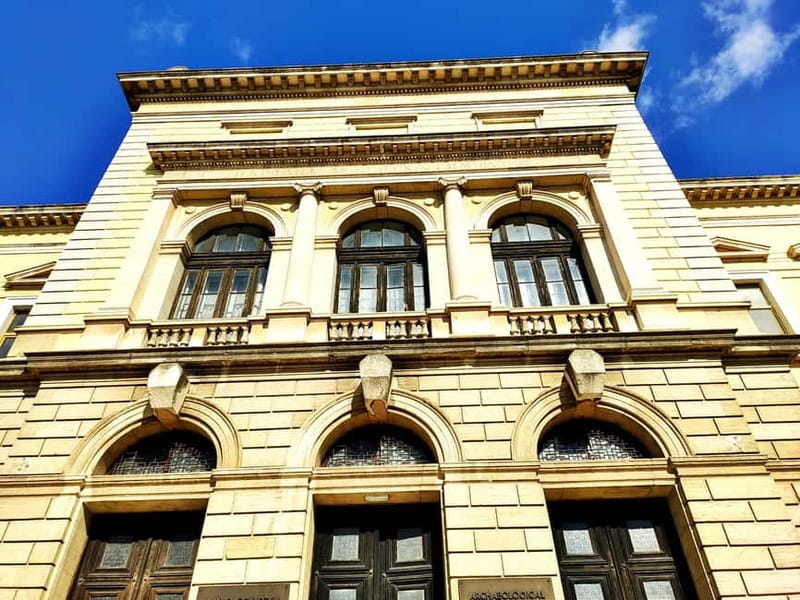
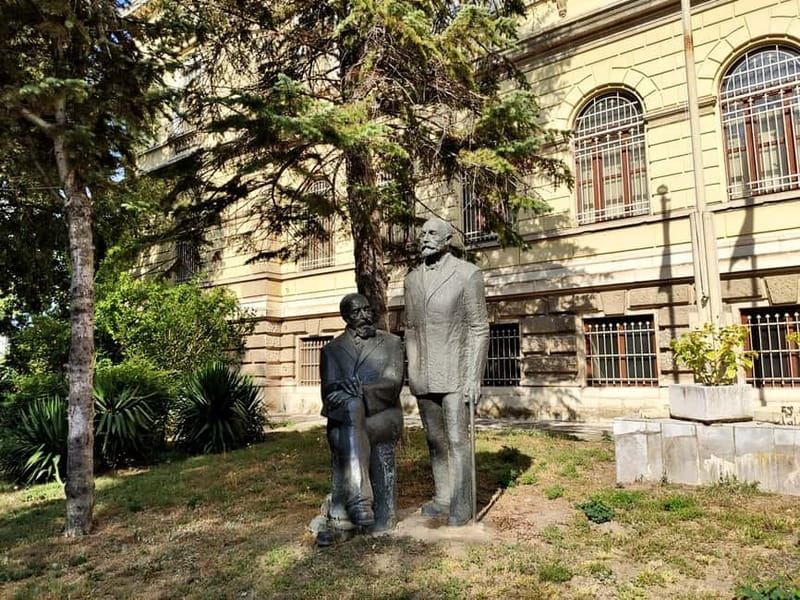
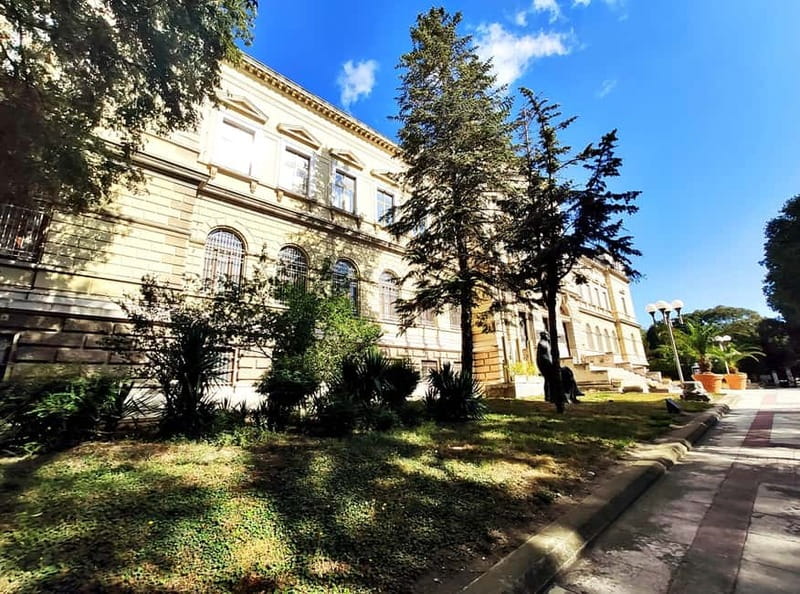
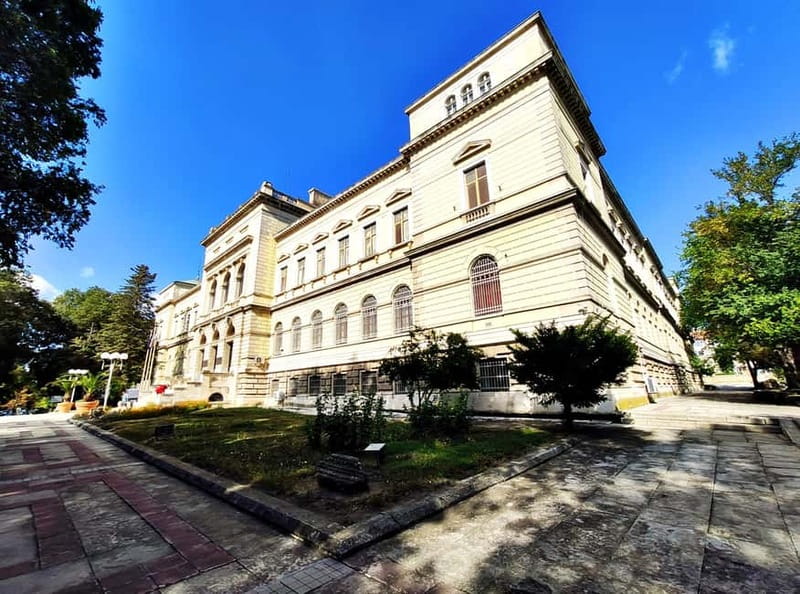
The museum is at 41 Maria Luisa Boulevard in Varna, postal code 9000. The building itself has been praised for its appearance, so take a moment to look around rather than treating it as a simple container for the collection.
The experience is wheelchair accessible. Express elevators are available for line access, which can make the arrival easier if stairs are difficult or if you are carrying a bag.
Pets are not allowed, and food and drinks are not permitted inside. These rules are simple, but they matter if you are planning a full day around the museum.
There is an inner garden, though it may not impress you. Treat it as a passage or a place to pause, not as a major attraction. The important material is inside the exhibition halls.
Is $22 a fair price?
At $22 per person, the ticket includes entry to the permanent exhibition and a personalized e-guide. The ticket is valid for one day, so you are paying for flexible access rather than a tightly timed tour.
That price makes the most sense if you want to spend real time with the collection. You can move slowly, revisit sections, and use the guide according to your interests. It is less attractive if you plan to rush through the museum in a short stop.
Temporary exhibitions are not included. Check this carefully if a special display is one of your main reasons for visiting. You may need a separate payment for those areas.
The private group arrangement may suit you if you prefer not to share a fixed guided experience with strangers. Since the visit is self-guided, the value comes mainly from the museum access, the digital information, and the freedom to set your own pace.
You can reserve now and pay later, and cancellation is free up to 24 hours in advance for a full refund. That is useful if your Varna plans are still changing.
Who should book this museum visit?
I would recommend this experience to anyone interested in archaeology, ancient technology, burial customs, or the origins of Varna. Families with older children may also find the objects easier to discuss than a museum filled only with written history.
It is a good choice for independent museum visitors. You do not need to match a guide’s schedule, and you can give extra time to the gold, skeletons, or surgical tools.
It may be less suitable if you need German-language material, if you dislike reading from a device, or if you want a live expert to answer questions as you walk. The included e-guide provides structure, but it does not replace conversation with a personal specialist.
Give yourself enough time to follow the chronological sequence. The museum covers thousands of years, and the collection rewards attention. A rushed visit will likely leave you remembering the gold while missing the tools, tombstones, and evidence of ordinary life.
Should you book the Varna Archaeological Museum ticket?
Book it if you want a flexible, self-guided look at Varna’s past, especially if the ancient gold and the origins of Odessos interest you. The chronological layout, included e-guide, and broad collection make the $22 fee reasonable for a serious museum visit.
Think twice if you need German explanations, want a live guide, or mainly want temporary exhibitions. For English, Bulgarian, or Russian speakers who enjoy setting their own pace, this is a practical way to understand Varna beyond its modern streets and seaside setting.
FAQ
Where is the Archaeological Museum of Varna?
The museum is located at 41 Maria Luisa Boulevard, Varna, Bulgaria, postal code 9000.
How long is the ticket valid?
The ticket is valid for one day.
What does the $22 ticket include?
It includes entry to the permanent exhibition and a personalized e-guide.
Is the e-guide included in the price?
Yes. The personalized e-guide is included and can be loaded onto your device.
Which languages are available for the e-guide?
The listed languages are English, Bulgarian, and Russian.
Are temporary exhibitions included?
No. Temporary exhibitions are not included in the ticket.
Can I take photographs inside?
You may take photographs in the exhibition halls only after paying a photography fee.
Is the museum wheelchair accessible?
Yes. The activity is listed as wheelchair accessible, with express elevators available for line access.
Are pets and food allowed?
No. Pets, food, and drinks are not allowed.
Can I cancel the booking?
Yes. You can cancel up to 24 hours in advance for a full refund. You can also reserve now and pay later.
Just added around Varna
- Varna Echoes: Flavors, Footsteps, Tales & Wine tasting★ 5.0 · 3 reviews
- Varna Vibes Adventure & Wine Tasting★ 5.0 · 3 reviews
- Varna Exquisite Wine Tasting★ 5.0 · 5 reviews
- Infinity spa★ 4.5 · 4 reviews
- Full-Day Private Sightseeing Tour to the North of Varna★ 5.0 · 4 reviews
- 15 Min Of Go Karting★ 4.5 · 4 reviews
- Bulgarian Village Local Evening and Dinner★ 4.0 · 4 reviews
- Private Cape Kaliakra & the Balchik Botanical Gardens from Varna★ 5.0 · 3 reviews
Museums, compared.

Admission Ticket to the Museum of Illusions in Sofia
Read our review →
Rila Monastery and Optional Museum, Cave or Spa
Read our review →
Museum of Socialist Art and Buzludzha Monument Tour
Read our review →
Admission Ticket to Illusions in Museum in Veliko Turnovo
Read our review →
Old Town Guided Walking Tour & Audioguide & Museum
Read our review →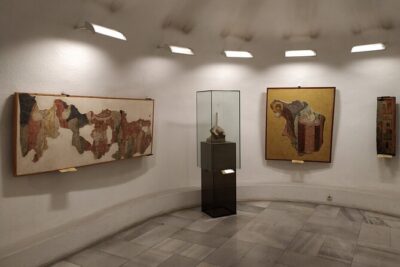
Self-guided tour in Varna Archaeological Museum + ticket
Read our review →Browse the lists this tour appears in