
Reviewed · BANSKO TOURS
From Bansko: Traditional Folklore Experience
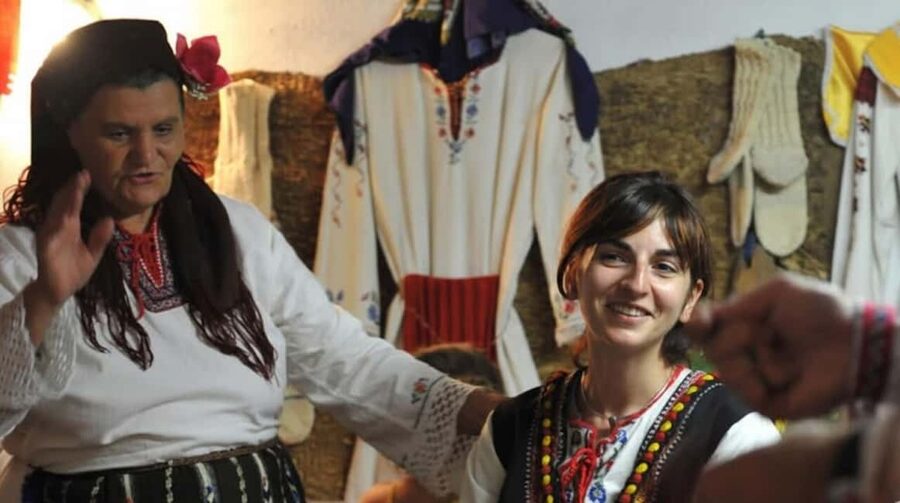
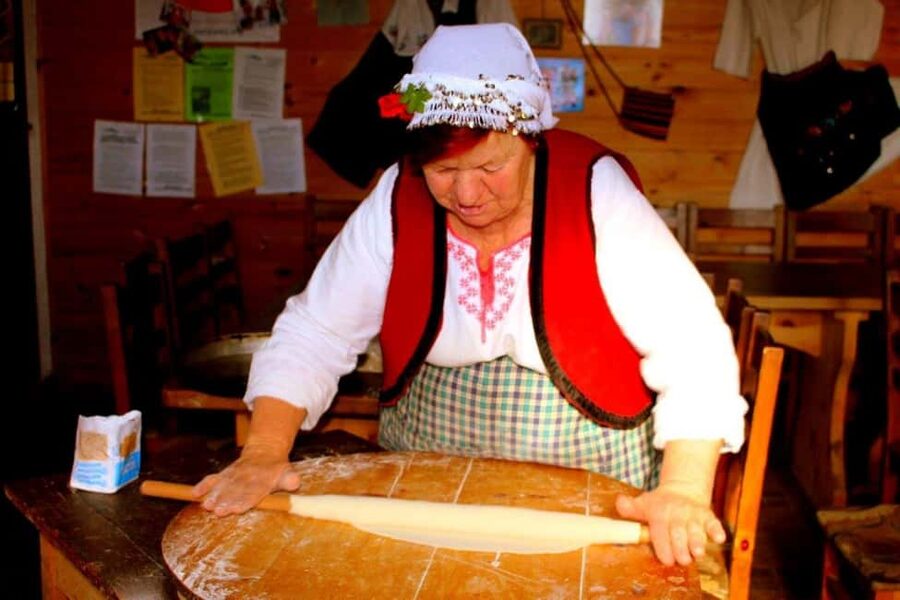
Gorno Draglishte gives you something Bansko cannot: a close look at village customs in a family-run setting, with cheerful babi guiding the evening. You eat homemade food, sip locally brewed rakia, dress in Bulgarian nosii, and try folk dancing rather than simply watching a staged show.
I especially like the hands-on weaving and the easy warmth of the hosts. The meal is another strong point, with plenty of traditional dishes made from local produce. The main consideration is mobility: this activity is not suitable for people with mobility impairments, and the evening includes dressing, dancing, and weaving.
Key points at a glance
- 25-minute drive from Bansko: A short transfer takes you to the small village of Gorno Draglishte.
- A real hands-on evening: You can weave on a razboi, put on nosii, and join traditional dances.
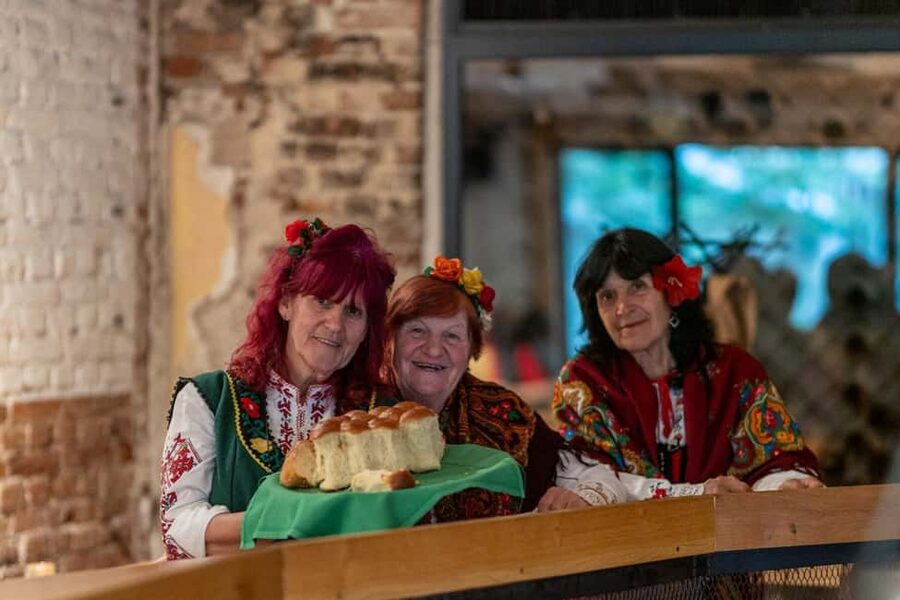
- Hosts known for their warmth: Baba Iana and Baba Elena have hosted evenings here, greeting visitors with food, song, and good humor.
- A generous homemade meal: Come hungry, since the food is a major part of the experience.
- Rakia and local stories: The evening combines a traditional drink with folk beliefs, customs, and family-style storytelling.
- Good for mixed-age groups: The activity has worked well for families and groups ranging from children to older adults, though mobility remains important.
From Bansko to a village evening
The experience begins at a meeting point in Bansko. You meet the local representative, who directs you to your driver and vehicle. Arrive 10 to 15 minutes early, since the transfer is part of a tightly timed three-hour evening.
The drive to Gorno Draglishte takes about 25 minutes. That short journey matters. You are not spending most of the night in transit, yet you leave the resort atmosphere of Bansko and reach a smaller village with a more personal setting.
Your destination is the guest house of Deshka. The evening is built around the babi, the Bulgarian grandmothers who welcome you and lead the activities. Hosts have included Baba Iana and Baba Elena, two names associated with the cheerful, good-humored welcome described for this experience.
Do not expect a formal museum visit or a polished stage performance. The appeal is the contact with local customs in a house setting. You are given things to do, food to try, and people to talk with. If you prefer a quiet meal with little participation, this may feel more active than expected.
Other Bansko days people book alongside this one:
- Ski and Snowboard equipment rental in Bansko
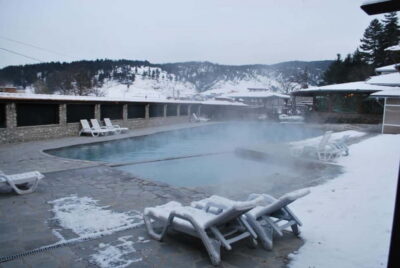
★ 5.0 · 118 reviews - Bansko: Villa Victoria Thermal Pool Escape
★ 4.4 · 114 reviews - From Bansko: Horse Riding Experience
★ 4.2 · 70 reviews
Meeting the babi at Deshka’s guest house
The welcome is central to the evening. The babi greet you with energy and help bridge the language gap through gestures, demonstrations, smiles, food, and shared activity. English is the stated language for the host or greeter, but the evening also depends on the kind of communication that does not need many words.
That makes this a good choice if you want an experience that feels social rather than informational. You are not only listening to a guide explain Bulgarian customs. You are meeting local hosts who show you clothing, dance, weaving, food, and stories through direct participation.
The setting also helps. A traditional house gives the meal and activities a stronger sense of place than a restaurant in central Bansko. I would expect the evening to feel informal, with people moving between eating, talking, dressing up, and joining the next activity.
The trade-off is that the format may be less predictable than a standard tour. The supplied details do not promise a fixed sequence for every activity, and the pace can depend on the hosts and the group. That is part of the charm, but it may not suit someone who wants a carefully timed presentation.
The meal is more than a side attraction
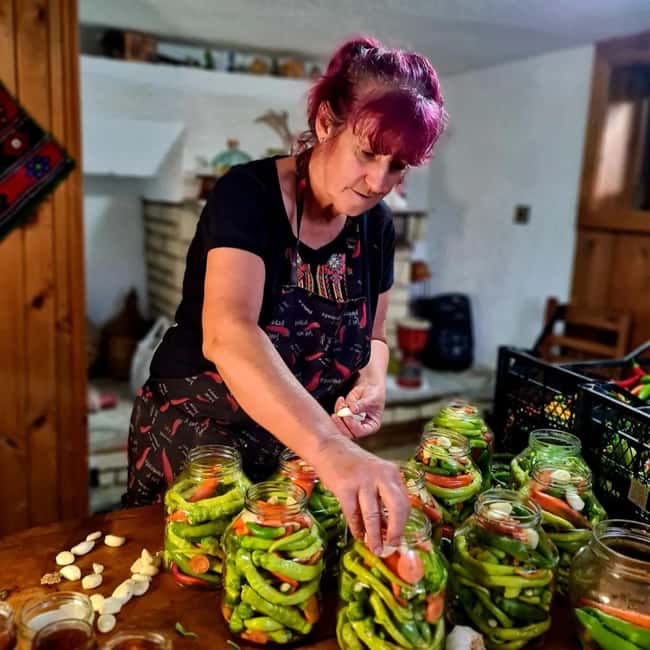
Food takes up a large part of the evening, and you should arrive hungry. The meal includes traditional local dishes and drinks, with food made from local produce. Past descriptions of the evening point to a wide selection of homemade dishes, so this is not a small tasting with one symbolic plate.
That makes the $76 price easier to assess. You are paying for round-trip transport from Bansko, a hosted cultural program, hands-on activities, a traditional meal, and drinks. A simple village dinner might cost less, but it would not include the welcome, demonstrations, clothing, weaving, dancing, and storytelling.
The food is also a useful way into Bulgarian culture. Dishes prepared in a home setting tell you more about everyday cooking than a generic restaurant menu. You may not recognize everything immediately, and that is fine. Ask the host or English-speaking representative about the dishes if you want more context.
Rakia is served as a traditional Bulgarian alcoholic drink. It is often used as a welcome drink in Bulgarian homes, and here it forms part of the social ritual. Take care with it, especially if you are not used to strong spirits. You can advise the operator about allergies, vegetarian needs, or vegan requirements before the tour, which is important because the meal is such a central feature.
One practical point: the description promises traditional meals and drinks, but it does not provide a fixed menu. If you have strict dietary needs, send the information in advance rather than hoping the hosts can adjust things on the spot.
Wearing nosii and trying Bulgarian dance
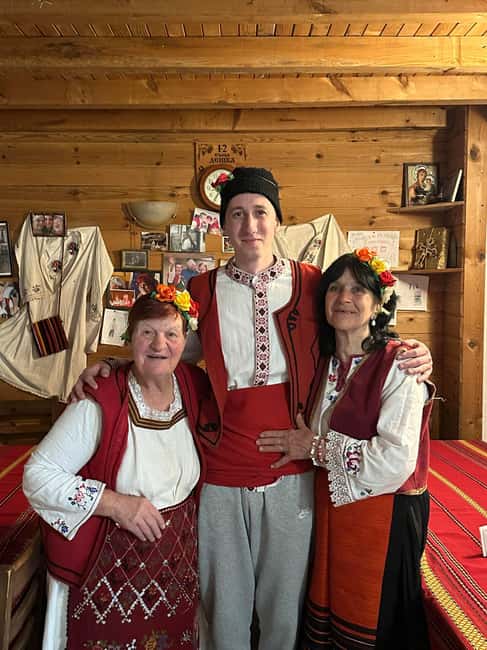
After or around the meal, you get the chance to dress in nosii, traditional Bulgarian folk costumes. This is one of the most memorable parts for many people because it turns the evening from observation into participation.
The costumes also make the activity work well for families and mixed-age groups. A child can enjoy the visual change and photographs, while an older family member can take part in the cultural side without needing specialist knowledge. One family group included people aged 12 to 83, and the activity suited all of them.
Dancing follows the same spirit. You are invited to join traditional local dances, with the babi helping you follow along. You do not need to arrive as a skilled dancer. The point is to try, laugh, and take part with the group.
Still, be honest about your comfort level. Dancing in folk costumes requires some movement, and the activity is officially unsuitable for people with mobility impairments. If you have a condition that makes standing, changing clothes, or moving with a group difficult, ask the operator before booking.
The dancing is likely to feel more communal than theatrical. You are not watching professional performers from a distant seat. You are joining the hosts, which can make the experience funnier and more memorable, but also a little less polished.
Same country, a completely different kind of day:
- The Best of Bansko: Magical Snowshoeing Adventure & SPA
★ 5.0 · 39 reviews - Ski and Snowboard Rental in Bansko
★ 5.0 · 31 reviews - Bansko: Easy snowshoeing Pirin National Park & thermal spa
★ 4.1 · 19 reviews - Ski and Snowboard Equipment servicing in Bansko
★ 5.0 · 19 reviews
Weaving on a razboi
The weaving activity is a particularly useful detail because it gives you contact with a traditional craft rather than only a meal and photographs. You will have the chance to weave on a razboi, a traditional loom.
This kind of activity works best when you treat it as an introduction, not a full craft lesson. The information does not state how long you spend at the loom or whether you make a finished item to take home. Expect a demonstration and a chance to try the basic action, rather than a completed textile project.
I like this part because it explains how local traditions were practiced in daily life. Folk clothing and woven materials are not just decorative objects. They represent time, skill, and household work. Even a short turn at the loom can make those objects easier to appreciate.
It also adds variety to the evening. Food, costumes, and dancing are lively group activities. Weaving is slower and more tactile. If you are looking for the most distinctive element of the program, the razboi may be it.
Folk beliefs, songs, and the social side of the night
The highlights include evening stories about folk beliefs and traditions. These stories give you a sense of how customs are passed down and how local communities explain their world. The exact stories are not listed, so you should not book expecting a set lecture on one specific legend.
Singing is also part of the atmosphere. Hosts have sung after dinner, adding a personal touch that a recorded performance could not match. The combination of food, song, dress, and dance gives the night a clear social rhythm.
Language can be a minor challenge. English is available through the host or greeter, but you may not understand every conversation among the local hosts. That does not prevent participation, yet it can limit the amount of detailed historical explanation you receive.
I would see this as a cultural encounter first and an academic talk second. If you want a thorough lecture about Bulgarian folklore, choose a museum or specialist guide. If you want to feel how customs are shared across a table, this setting is the better fit.
Why the $76 price can be good value
At $76 per person, this is not the cheapest evening activity in the Bansko area. The value comes from the package. Your price covers pickup from the Bansko meeting point, the 25-minute transfer each way, the hosted evening, traditional food, drinks, activities, and return to your accommodation.
The meal alone is only one part of the cost. You are also paying for access to a private-style village setting and for the time and effort of the hosts. The hands-on program gives the evening more substance than a meal where you simply sit and watch.
I think the price works best for people who would otherwise need to arrange several separate parts of the evening. Transport to a village, a local meal, an interpreter or guide, and a cultural activity can quickly add up. Here, those pieces are combined.
Value is weaker if you do not drink alcohol, eat very little, or dislike group participation. You can still enjoy the clothing, weaving, stories, and dancing, but food and drinks are major parts of the experience. Dietary restrictions should be communicated ahead of time.
The high rating, based on seven reviews, matches the strongest features of the evening: homemade food, welcoming babi, costumes, dancing, and a relaxed sense of fun. A small review count is not the same as a long record across hundreds of bookings, so I would judge the activity mainly by its clear format and your own interests.
Who will enjoy this most
This is a strong choice for families, couples, and friend groups who want an evening that feels different from a resort restaurant. It is especially suitable if you like trying local food, joining simple activities, and meeting hosts directly.
Families should find the mix of costume, dance, weaving, and food easy to share across generations. It has already suited a group with ages ranging from 12 to 83, which gives you a useful sense of its broad appeal.
It also works well for first-time visitors to Bulgaria. You do not need prior knowledge of Bulgarian traditions. The hosts demonstrate what to do, and the activities give you a way to learn by taking part.
I would be more cautious if you need step-free access, have limited mobility, or want a quiet and highly structured evening. The activity is explicitly not suitable for people with mobility impairments. It also involves changing clothes, dancing, and moving between social activities.
Solo visitors can book, but the experience is naturally group-oriented. The format is built around shared food and participation, so it may feel more comfortable if you enjoy meeting other people.
Practical details before you book
The full activity lasts three hours, including transport from Bansko. Starting times depend on availability, so check the date you want before paying.
Pickup is from the specified meeting point in Bansko, not necessarily directly from every hotel. You meet the local representative first, then receive directions to your driver. Plan to arrive 10 to 15 minutes early.
Free cancellation is available up to 24 hours before the start time for a full refund. You can also reserve now and pay later, which helps if your Bansko plans depend on weather or changing ski conditions.
Tell the operator about food allergies and dietary choices such as vegetarian or vegan requirements. Since the meal is a major part of the night, this is not a minor booking note.
The experience is provided by Traventuria Ltd., and English is the stated language. No group size is given, so do not assume you will have a private evening or a small group.
Should you book the Gorno Draglishte folklore evening?
Book it if you want to eat homemade Bulgarian food, meet local babi, dress in nosii, try a razboi, and join a good-natured folk dance. The short drive from Bansko makes it an easy way to spend an evening outside the resort, while the combination of food and participation gives the $76 price reasonable value.
Skip it if you want a formal performance, a fixed menu, or a quiet dinner with no audience participation. Also skip it if mobility limitations make changing clothes or dancing difficult.
For most visitors who want personal contact with Bulgarian village traditions, this is one of the more memorable evening choices near Bansko. Come hungry, arrive early, tell the operator about dietary needs, and expect to laugh at your own first attempt at Bulgarian dancing.
FAQ
How long does the traditional folklore experience last?
The activity lasts three hours, including the trip from Bansko to Gorno Draglishte and the return journey.
How far is Gorno Draglishte from Bansko?
The village is about a 25-minute drive from Bansko.
What is included in the price?
The $76 price includes pickup from the meeting point in Bansko, traditional local meals and drinks, the hosted cultural activities, and drop-off at your Bansko accommodation.
Will I get to wear Bulgarian folk clothing?
Yes. You can dress in traditional Bulgarian nosii during the evening.
Can I try traditional weaving?
Yes. The activity includes the chance to weave on a razboi, a traditional loom.
Is rakia included?
Yes. Locally brewed rakia, a traditional Bulgarian alcoholic drink, is included among the drinks.
Can I request vegetarian, vegan, or allergy-friendly food?
Yes. You should advise the operator about allergies and vegetarian or vegan requirements before the activity.
Is the experience suitable for people with mobility impairments?
No. The activity is listed as unsuitable for people with mobility impairments.
Just added around Bansko
- Ski and Snowboard equipment rental in Bansko★ 4.5 · 5 reviews
- Half-Day Jeep Safari Adventure in Velingrad★ 3.5 · 3 reviews
- Shared Transfer: From Bansko Resort to Sofia Airport★ 4.0 · 9 reviews
- Private lessons in Bansko with former national ski racers.★ 5.0 · 7 reviews
- Bansko Shuttle: Transfer to/from Sofia Airport★ 5.0 · 5 reviews
- Private lessons in Bansko with former national ski racer★ 5.0 · 4 reviews
- Full day Snowshoeing tour to Bezbog peak 2645 m in Pirin Mountains★ 5.0 · 5 reviews
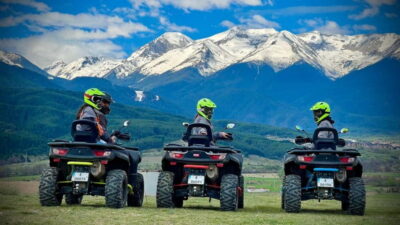
- 60-Minute Small-Group ATV Safari Tour in Bansko★ 5.0 · 3 reviews
Bansko Tours, compared.

The Best of Bansko: Magical Snowshoeing Adventure & SPA
Read our review →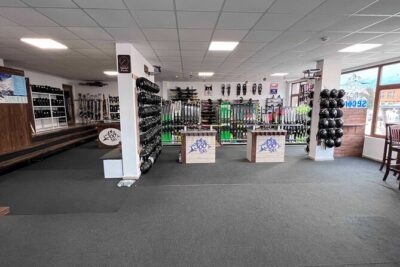
Easy snowshoeing Pirin National Park & thermal spa
Read our review →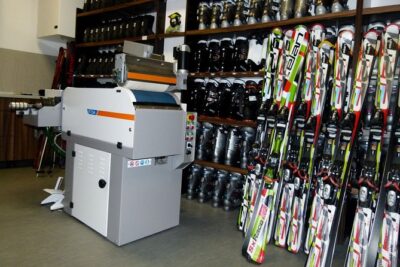
Browse the lists this tour appears in