
Reviewed · FOOD & DRINK
Private Experience Traditional Food Culture in Bansko
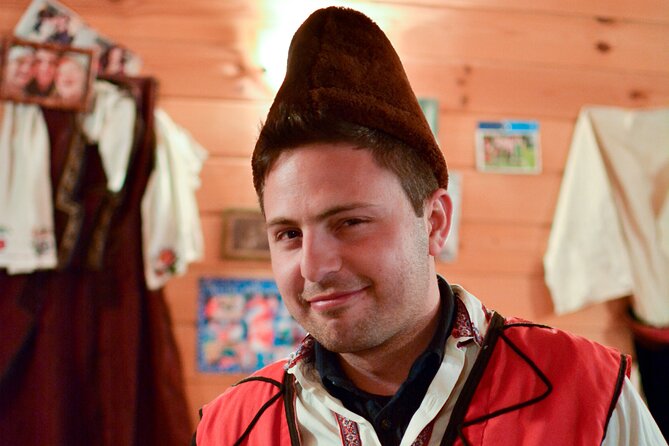
Gorno Draglishte gives you the kind of Bulgarian experience that is hard to find in a standard sightseeing program: a private visit with cheerful local babi grandmothers, traditional food, folk costumes, dancing, and hands-on crafts. You do not just look at village culture here. You take part in it.
I like the warm welcome and the chance to put on a nosii costume for photos, then join a horo dance. I also like the practical crafts, especially weaving on a razboi and making a small souvenir to take home. The main consideration is the price: at $107.63 per person, this is a short two-hour experience, so its value depends on how much you care about personal contact and local traditions.
Key points to know
- Meet the babi of Gorno Draglishte: Your hosts are cheerful local grandmothers who share food, customs, and village traditions.
- Take part instead of just watching: You can dance horo, dress in folklore clothing, weave on a razboi, and make a souvenir.
- Taste a simple Bulgarian meal: The sample menu includes banitsa, local meat, homemade dessert, and rakia.
- Choose your transport: Meet at 2797 Gorno Draglishte or arrange pickup from any hotel in Bansko.
- Enjoy a private visit: Only your own group participates, which makes the setting more personal and flexible.
- Plan around the cancellation rule: Full refunds require cancellation at least 24 hours before the start time.
Why Gorno Draglishte is worth the short trip from Bansko
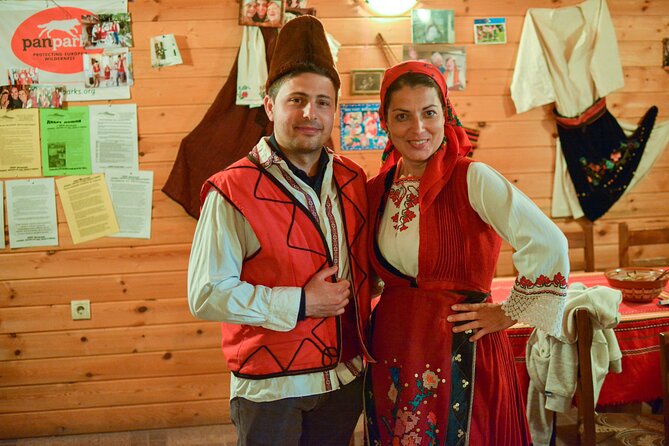
Bansko is best known as a mountain resort town, but its surroundings offer a more personal look at Bulgarian life. Gorno Draglishte provides that change of pace. Instead of spending another few hours around restaurants, ski facilities, or busy town streets, you visit a village where food, clothing, music, and craft work are still presented as living traditions.
The experience lasts about two hours, so it fits neatly into a day based in Bansko. It is not designed as a full village tour or a long historical excursion. The focus is a direct meeting with local hosts and a small set of activities that let you handle, wear, taste, and try traditional items.
That distinction matters. If you want a long explanation of Bulgarian history, this may feel brief. If you want a friendly cultural visit with plenty of participation, the two-hour format works well.
The village setting also gives the food a proper context. Banitsa is not just a menu item when it arrives as part of a local welcome. You are eating a dish tied to Bulgarian home cooking, followed by local meat and homemade dessert. Rakia, the traditional Bulgarian fruit brandy, adds another familiar part of Bulgarian hospitality. You should treat it as a tasting, not simply another drink with lunch, since it is alcoholic.
A few more Bulgaria trips to weigh up
- Sofia: Wine & Cheese Tasting Experience
★ 4.9 · 674 reviews - Wine Tasting in Heart of Sofia
★ 5.0 · 545 reviews - Sofia: Guided Tasting of Local Wines and Cheeses
★ 4.6 · 181 reviews
Meeting the babi and getting settled
The hosts are described as energetic and cheerful babi, the Bulgarian word commonly used for grandmothers. Their role is central to the experience. They are not simply staff leading a list of activities. They create the welcoming, family-style feel that gives the visit its character.
You can begin in one of two ways. If you choose transport, pickup is offered from every hotel in Bansko. If your accommodation is outside Bansko, a small extra fee applies to the pickup option. If you prefer to arrange your own way there, the meeting point is 2797 Gorno Draglishte, Bulgaria.
The activity ends back at the meeting point. That makes the no-transport option most useful if you have your own vehicle or already plan to be in the village. The pickup choice is simpler for a visitor staying in Bansko, especially if you would rather not sort out village transport for a short activity.
Because this is a private activity, only your group takes part. That is a useful advantage for families, couples, and small groups with different comfort levels. You can ask for help with the craft work, take photos without a large crowd around you, and enjoy the meal in a more relaxed setting.
Still, remember that private does not mean completely unstructured or unlimited. The experience is built around a set two-hour visit, with food, costumes, dancing, weaving, and souvenir making all sharing the same time.
Dressing in nosii and joining the horo
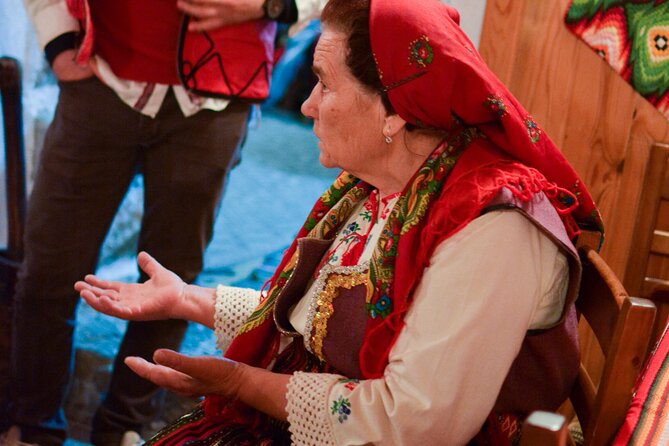
One of the most memorable parts is trying on a traditional local nosii, or folklore costume. Clothing is often the quickest way to connect with a culture because it turns an abstract tradition into something you can see and feel. Here, you can dress up for photos and get a clearer sense of the patterns and forms used in local folk dress.
The costume portion should appeal to families and groups of friends, especially if you want photos that feel more personal than the usual mountain-town snapshot. It also gives the hosts an easy way to explain aspects of village culture through something practical and visible.
You will also have the chance to join a horo, a traditional Bulgarian group dance. You do not need to treat this as a performance. The point is participation. If you are not a confident dancer, the setting is better suited to trying a few steps and enjoying the rhythm than to getting everything perfect.
This is where the private format helps. You can take part at your own level instead of feeling as if you are on display in a large public show. The supplied information does not promise a full dance lesson, so you should expect an introduction and an opportunity to join rather than a formal, extended class.
For children, the dance and costumes may be more engaging than a talk about regional customs. For adults, they offer a lighthearted way to connect with the village and make the visit more than a meal stop.
Weaving on a razboi and making a souvenir
The craft activities add substance to the visit. You can try weaving on a razboi, a traditional loom, and make souvenirs to take home. These details matter because they show the work behind handmade village goods. Even a short attempt can make you appreciate that weaving is not a decorative trick but a practical skill requiring coordination and patience.
You should not expect to produce a large finished textile during a two-hour visit. The value is in trying the process, seeing how the equipment works, and leaving with something connected to your own participation.
The souvenir-making portion also gives you a useful memory beyond photographs and food. Many cultural activities end when you walk out the door. Here, you have an object that can remind you of the village, the hosts, and the craft you tried.
This part may be especially good for families with children, provided they enjoy hands-on activities. It also suits anyone who prefers doing something with their hands rather than sitting through a long explanation. Since the exact souvenir is not specified, do not book this expecting a particular craft item or a guaranteed type of finished product.
Same country, a completely different kind of day:
- From Sofia: Rila Monastery & Boyana Church Day Tour
★ 4.7 · 5,107 reviews - From Sofia: Must-See Rila Monastery & Boyana Church Day Tour
★ 4.6 · 3,322 reviews - From Sofia: Guided Day Tour of Plovdiv’s Must-See Sights
★ 4.6 · 1,688 reviews - From Sofia: 7 Rila Lakes and Rila Monastery Extended Trip
★ 4.7 · 1,189 reviews
What arrives at the table
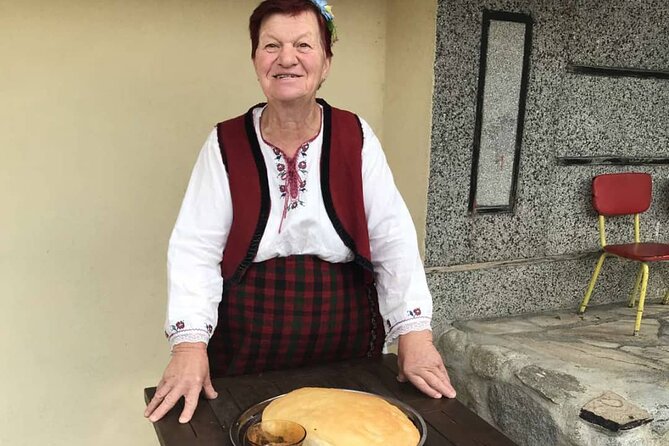
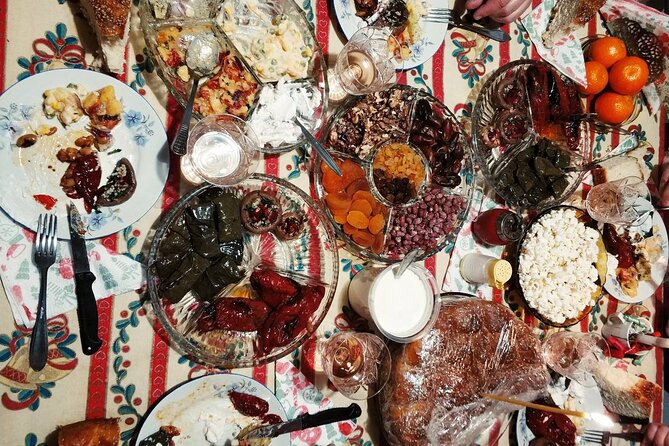
The sample meal is simple and recognizably Bulgarian:
- Banitsa as a starter
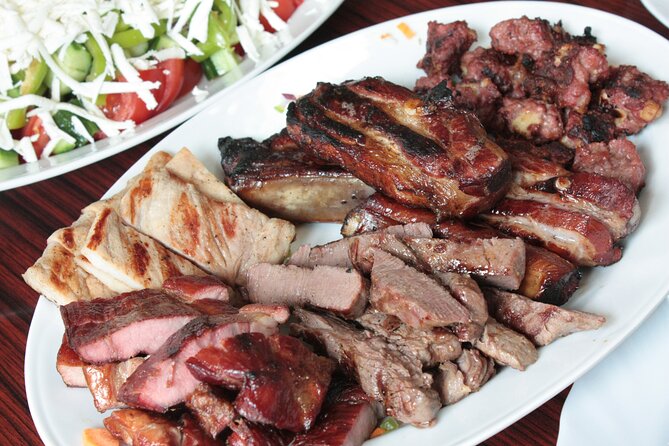
- Local meat as the main course
- Homemade dessert
- Locally brewed rakia as a traditional drink
Banitsa is a useful introduction to Bulgarian cooking. It is a baked pastry dish, often made with layers of pastry and filling. The meal then moves to local meat and a homemade dessert, giving you a straightforward taste of the area rather than a restaurant-style tasting menu.
I like this approach because it connects the food to the hosts and the setting. You are not being asked to choose from a long menu or guess which regional dish to order. The meal is part of the welcome.
At the same time, the food description is limited. Vegetarian, vegan, allergy-friendly, and other dietary choices are not specified. If you have dietary restrictions, ask the provider before booking rather than assuming the sample meal can be changed.
Rakia is also worth handling with care. It is a traditional Bulgarian alcoholic drink and is included as part of the food and drink offering. If you do not drink alcohol, make your preference known. The data confirms that traditional drinks are included, but it does not specify a nonalcoholic replacement.
The three place names and what they mean for your plan
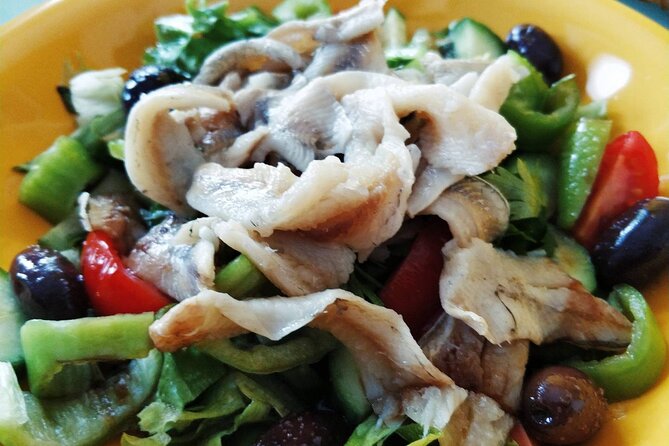
Gorno Draglishte is the actual village setting and the main focus of the visit. This is where you meet the hosts, take part in the cultural activities, and eat the traditional food.
Bansko is the practical base for the experience. Hotel pickup is available throughout Bansko when you select the transport option. That makes the activity easy to add to a Bansko stay without arranging a separate meeting across town.
Rila is also shown as part of the route information, but the details provided do not describe a separate stop, attraction visit, or activity there. Do not assume that booking this experience includes a visit to Rila Monastery or a sightseeing tour in the Rila area. The clearly described cultural program takes place in Gorno Draglishte.
This is an important planning point. If you are building a full day around mountain scenery or major Bulgarian sights, treat this as a compact village experience, not as a complete regional tour.
Is $107.63 per person fair value?
The price is $107.63 per person. That is a fairly serious cost for an experience lasting about two hours, particularly if you are traveling on a tight budget or mainly want a meal.
The price makes more sense when you count what is included: a private group setting, local hosts, traditional food, traditional drinks, costume use, dance participation, weaving, souvenir making, and optional transport. You are paying for access and personal contact, not just admission to a building.
The private format is the largest factor in the value. A shared group experience could spread the cost across more people, but it might also feel less personal. Here, your group has the hosts’ attention, which is useful if you are traveling with family or friends who want to participate at different speeds.
Transport can also affect the value. Pickup from your Bansko hotel saves time and planning, while the no-transport choice may be better if you can reach Gorno Draglishte easily on your own. There is a small added fee for pickup outside Bansko, so check that cost before comparing options.
I would choose this for a special cultural afternoon, a private family activity, or a couple who values contact with local people over a long list of sights. I would skip it if your main goal is a cheap meal, a full-day excursion, or a detailed tour of Bansko’s history.
Who will enjoy this most?
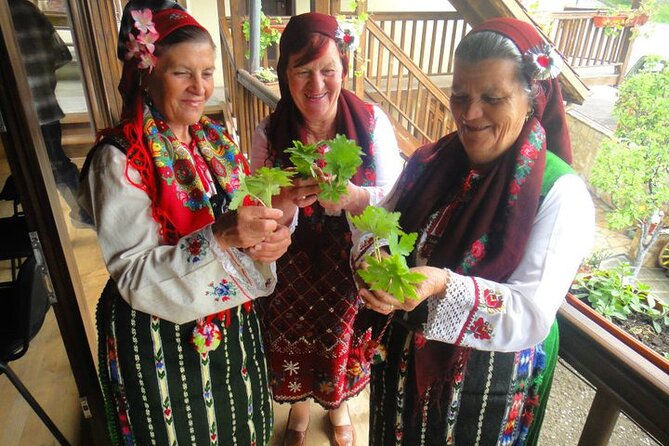
This experience suits you if you want to meet local hosts and take part in customs rather than observe from the sidelines. The costumes, horo dance, weaving, and souvenir activity give it more variety than a standard food tasting.
Families may find the hands-on format easier for children than a long museum visit. Couples can enjoy the private setting and the meal, while groups of friends may appreciate the costume photos and dance.
It also works for visitors who have already seen the main sights in Bansko and want an experience with a different rhythm. The short duration leaves room for other plans before or after.
You may want to think twice if you dislike group participation, dressing up, dancing, or unfamiliar food. The program is built around taking part, not quietly watching. Also, if you need guaranteed dietary accommodations, contact the provider before you commit.
Practical booking advice before you go
You receive confirmation at the time of booking. The activity is offered in English, and mobile tickets are available. Group discounts may also be offered, so check the price for your party rather than assuming the individual rate is the only option.
Service animals are allowed. The experience is private, meaning only your group participates.
If you need a full refund, cancel at least 24 hours before the local start time. Cancellations made within 24 hours are not refunded, and changes within that period are not accepted. This is worth noting if your Bansko plans depend on weather, transport, or changing mountain conditions.
I would also confirm the exact pickup details if you are staying outside Bansko. The stated pickup service covers hotels in Bansko, while locations beyond town carry a small extra fee.
Should you book this Bansko village experience?
Book it if you want a friendly, hands-on meeting with Bulgarian village culture and you are willing to pay for a private setting. The strongest reasons are the warm welcome from the babi, the chance to wear nosii clothing and join horo, and the simple meal served with traditional rakia.
The main reservation is value for time. Two hours passes quickly, and the price is high if you judge it only by the amount of food or sightseeing. But if you want something personal, participatory, and different from the usual Bansko program, Gorno Draglishte offers a convincing choice.
FAQ
Where does the experience take place?
The cultural experience takes place in Gorno Draglishte village, Bulgaria. The meeting point is 2797 Gorno Draglishte.
Can I get picked up from my Bansko hotel?
Yes. Pickup is offered from every hotel in Bansko when you choose the transport option. Pickup from outside Bansko has a small added fee.
How long does the experience last?
The experience lasts approximately two hours.
Is this a private activity?
Yes. Only your group participates in the activity.
What food is included?
The sample menu includes banitsa for a starter, local meat for the main course, and homemade dessert.
Is rakia included?
Yes. Traditional drinks are included, including locally brewed rakia, a traditional Bulgarian alcoholic drink.
Can I cancel for a full refund?
Yes, if you cancel at least 24 hours before the experience start time. Cancellations within 24 hours are not refunded, and changes within 24 hours are not accepted.
Just added around Bulgaria
- Varna Echoes: Flavors, Footsteps, Tales & Wine tasting★ 5.0 · 3 reviews
- Veliko Tarnovo & Arbanasi Full day tour★ 5.0 · 5 reviews
- Veliko Turnovo-Bulgarian old capital and Arbanasi★ 5.0 · 3 reviews
- Monasteries and Waterfalls Tour from Veliko Tarnovo★ 5.0 · 8 reviews
- Varna: Archaeological Museum Ticket & E-Guide★ 4.8 · 8 reviews
- Varna Vibes Adventure & Wine Tasting★ 5.0 · 3 reviews
- Wine Experience & Tasting Hub★ 5.0 · 6 reviews
- Varna Exquisite Wine Tasting★ 5.0 · 5 reviews
Food & Drink, compared.
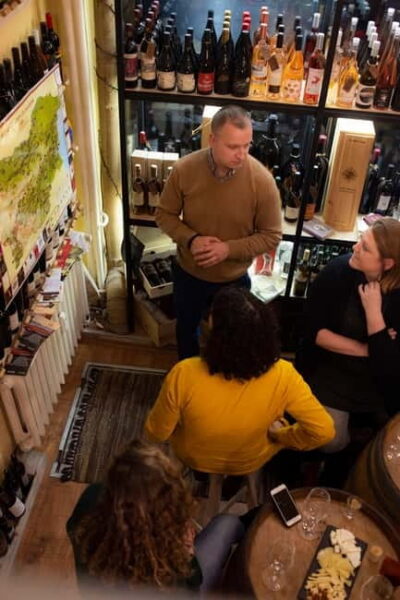

Special History And Wine Tour including Wine Tasting
Read our review →
Sofia Afternoon Walking Tour with Wine and Food Tasting
Read our review →
Food Walk: Bulgarian Food and Culture Tour in Plovdiv
Read our review →
Sofia Food & Tasting Tour with Communist-Era Tram Ride
Read our review →Browse the lists this tour appears in