
Reviewed · ROSE VALLEY TOURS
From Sofia: Rose Valley Tour & UNESCO Site Kazanlak
Kazanlak gives you three very different sides of Bulgaria in one long day: the gold-domed Shipka Memorial Church, the burial places of Thracian rulers, and the rose fields that supply much of the world’s rose oil. The small UNESCO tomb is the artistic high point, while the drive across the Balkan range gives the day its setting.
I like the way this tour links ancient Thrace with living Bulgarian craft, rather than treating Kazanlak as just another museum stop. I also like the personal guide setup. Georgi is praised for adjusting the day to suit his guests, while Ivan is noted for attentive, helpful service. The drawback is simple: this is a fast-paced outing with about six and a half hours in the vehicle, so you need comfortable shoes and a good tolerance for road time.
Key points to know before booking
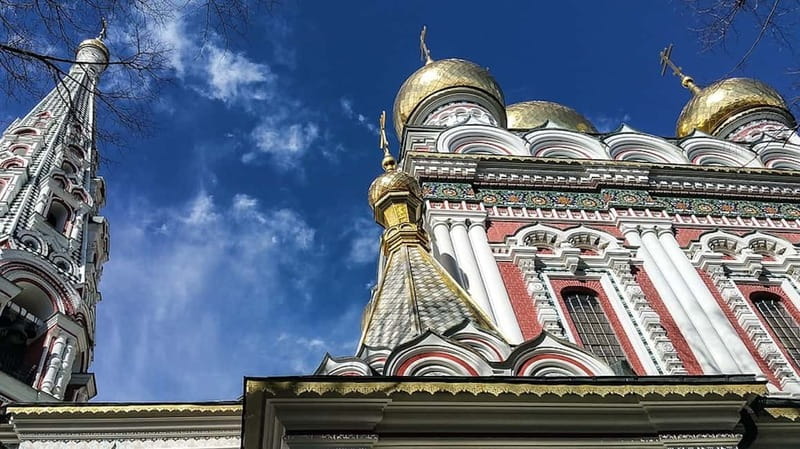
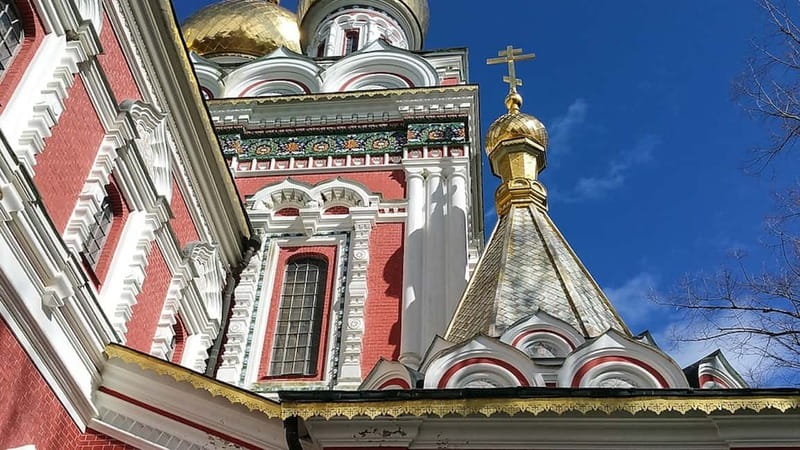
- Shipka Memorial Church brings Russian and Bulgarian history together beneath colorful domes and a 17th-century Russian design.
- Goliama Kosmatka is linked to the Thracian ruler Seuthes III and gives you a more atmospheric tomb visit than the short UNESCO stop.
- Kazanlak’s UNESCO tomb is famous for its fourth-century BC murals, especially the farewell scene between a seated couple.
- May and June are the best months for roses, particularly if you want to see picking and processing in season.
- The $175 price includes private transport, guide service, parking, and entrance fees, but not lunch or personal purchases.
- The schedule is tight, with roughly three hours each way between Sofia and the valley, plus several guided visits.
Why Kazanlak is worth a long day from Sofia
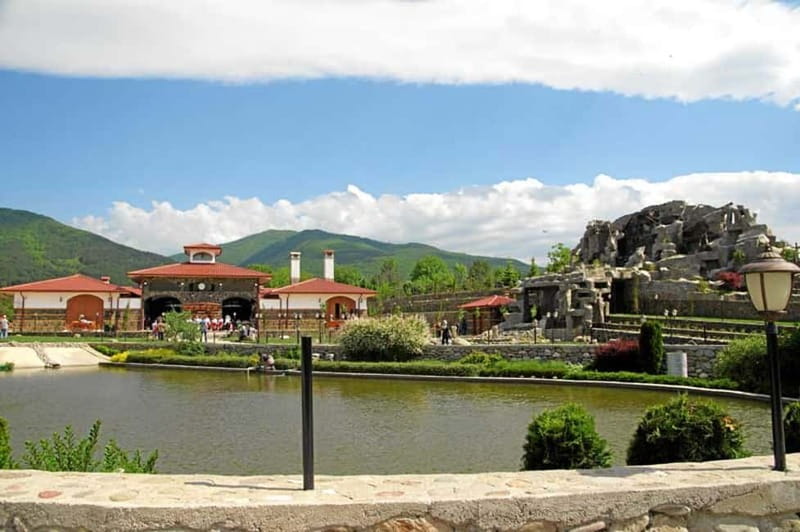
Kazanlak sits near the center of Bulgaria, around 200 kilometers east of Sofia. It is in the Valley of Roses, a broad area also tied to the ancient Thracian rulers who controlled this part of the Balkans during the fourth and third centuries BC.
That combination gives the area unusual range. You can look at an Orthodox church built after Bulgaria’s liberation from Ottoman rule, then walk into a Thracian burial complex from more than two thousand years earlier. Later, you can see how local rose petals become a product sold around the world.
I would not choose this tour if you want a lazy day with long café breaks. I would choose it if you want to make one ambitious outing from Sofia and see a part of Bulgaria that is difficult to cover by ordinary public transport in a single day.
The basic schedule begins with pickup at your Sofia accommodation around 8:30 in the morning. The renewed road makes the outward journey more manageable, but the total driving time is still listed at approximately six and a half hours. That is the main practical fact to accept before you book.
More Rose Valley Tours in Sofia
- From Sofia: The Rose Valley & Buzludzha Monument Day Tour
★ 4.8 · 77 reviews - From Sofia: The Rose Valley & Koprivshtitsa 12 hrs Day Tour
★ 4.7 · 39 reviews - Buzludzha Monument and The Rose Valley Day Tour From Sofia 13 hrs
★ 4.5 · 18 reviews
Shipka Memorial Church and the Balkan mountain crossing
Your first major stop is Shipka Memorial Church, visited for about 30 minutes. The church was built after the 1878 liberation in memory of Russian and Bulgarian victims. Its design follows a beautiful 17th-century Russian style, with bright colors and prominent domes that make it easy to spot against the mountain setting.
The stop is short, so you should expect a focused visit rather than a long period to study every detail. Your guide can give the church meaning within the wider story of Bulgaria’s liberation, while you take in the exterior and the Orthodox interior.
Shipka is valuable because it prevents the day from becoming only an ancient-history tour. The memorial connects you to a more recent period, when Bulgaria was emerging from Ottoman rule. That contrast helps you see how strongly national memory shapes Bulgarian monuments.
The drive to and from Shipka is also part of the appeal. You cross the Balkan range, and the route gives you broad views and changing scenery. Bring a camera, but do not expect a stop at every viewpoint. The road time is there mainly to connect the separate sites.
Some people would prefer extra time near Shipka, or a chance to see the Buzludzha monument from outside. That is not part of the stated route, so do not book this day expecting that additional stop. The existing program already has a full schedule.
Goliama Kosmatka, the tomb of Seuthes III
After Shipka, the tour continues to Goliama Kosmatka for a guided visit of about an hour and a half. This is the longest historical stop of the day, and it gives you time to understand the Thracian connection to Kazanlak.
The tomb is associated with Seuthes III, a Thracian ruler who played an important part in the region during the Hellenistic era. The nearby Thracian city of Seuthopolis was discovered during construction of the Koprinka Reservoir and studied in detail. That lost city helps explain why this valley is often called the Valley of the Thracian Kings as well as the Valley of Roses.
I find Goliama Kosmatka especially useful for visitors who have little background on Thracian culture. The guide can explain the role of tombs, rulers, and burial customs before you reach the smaller UNESCO monument. Without that context, the later murals might seem pretty but disconnected.
The visit is still not a full archaeological day. You will see one important tomb and hear its story, but you will not tour every Thracian site in the region. That is a fair trade for fitting the rose gardens and Kazanlak into the same outing.
Wear shoes with good support. The total walking time is listed at about an hour and a half, spread across the visits. The tour is described as fairly accessible, but the most sensible approach is to ask about your exact mobility needs before booking.
Lunch in Kazanlak and time to reset
Lunch takes about one hour in a nearby restaurant in Kazanlak. Meals are not included in the $175 price, so budget separately for this break.
That arrangement gives you some choice, but the tight schedule means this is not the place for a long, leisurely meal. You will want to eat efficiently and keep an eye on the departure time. A quick lunch matters because the afternoon includes both the UNESCO tomb and the rose garden or distillery.
Kazanlak itself is the main town of the valley and the center of Bulgaria’s rose-oil production. Its location is not a random lunch stop. The town grew beside an area known for rose cultivation, Thracian remains, and later Bulgarian industry.
Same country, a completely different kind of day:
- From Sofia: Rila Monastery & Boyana Church Day Tour
★ 4.7 · 5,107 reviews - From Sofia: Must-See Rila Monastery & Boyana Church Day Tour
★ 4.6 · 3,322 reviews - From Sofia: Guided Day Tour of Plovdiv’s Must-See Sights
★ 4.6 · 1,688 reviews - From Sofia: 7 Rila Lakes and Rila Monastery Extended Trip
★ 4.7 · 1,189 reviews
The UNESCO Tomb of Kazanlak
The Kazanlak tomb is the artistic centerpiece of the day. The monument dates from the fourth century BC and is protected as a UNESCO World Heritage site. The guided visit lasts around 30 minutes, so listen closely and use your time well.
The murals are famous for their horses and for a farewell scene showing a seated couple holding each other by the wrists. That small gesture gives the painting its force. It suggests tenderness and equality rather than a stiff royal ceremony.
The tomb is compact, which explains the short visit. Do not expect vast chambers or a sprawling ruin. Its importance comes from the quality and survival of the painted decoration, not from its size.
For many people, this stop will be the reason to choose the tour. It offers a direct look at ancient Thracian art in a place with international cultural importance. Your guide’s explanation is useful here, since the visit is brief and the visual details reward attention.
You may find the pace frustrating if you like to linger at archaeological sites. The tour has to get back to Sofia, and the rose visit still remains. I would treat this as a concentrated introduction rather than a complete study of Thracian burial art.
Roses, distilling, and the best season to visit
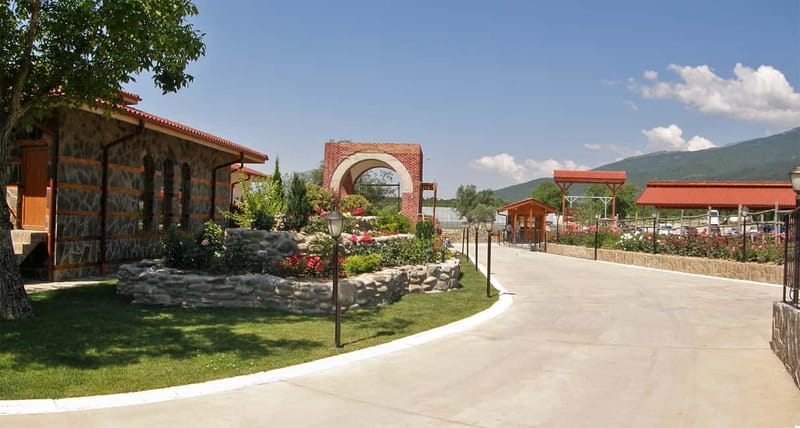
The final cultural stop takes you to a local rose garden and distillery. You can see how rose essence is extracted and buy rose-scented souvenirs. This is the part of the tour that connects the valley’s past to its current economy.
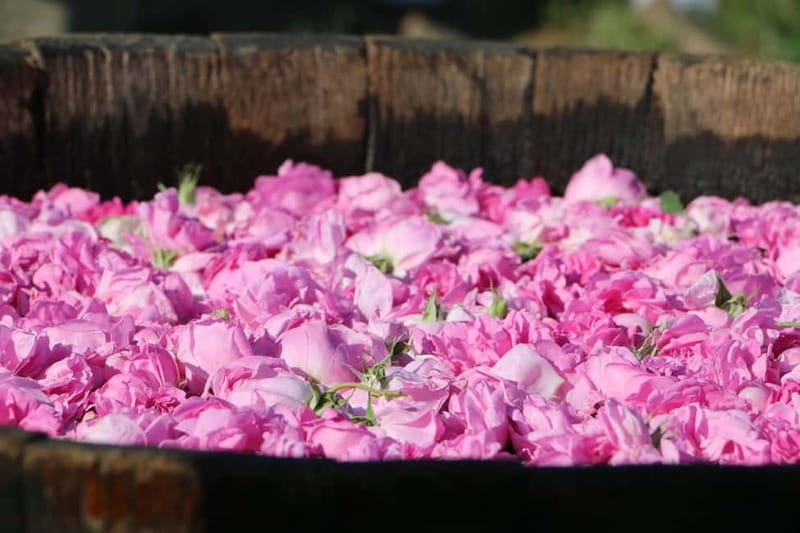
Bulgaria is a major supplier of rose oil for the cosmetics industry. The rose grown here is Rosa Damascena, also called the Rose from Damascus, and only a small number of places in the world can grow it successfully. Kazanlak’s rose fields are described as the largest in the world.
The best time to take this tour is May or June, when rose picking is underway. That timing gives you the strongest chance of seeing the production process tied to the fields rather than simply visiting a distillery outside the main season.
At other times of year, the garden and distillery can still add useful local context, but your experience may be less floral and more focused on the finished products. If the roses are your main reason for going, check the seasonal conditions before you commit.
The souvenir stop is optional in spirit, even if it forms part of the visit. You can look, learn, and decide what fits your budget. Rose-scented items may be appealing, but personal expenses are not included, so keep purchases separate from the tour price.
What the guide adds to this demanding schedule
A good guide matters on a day with several unrelated subjects. You move from Orthodox memorial architecture to Thracian rulers, then to ancient murals and rose-oil production. Without explanation, the stops could feel like a string of disconnected visits.
The English-language guide is included, along with hotel or accommodation pickup in Sofia. Georgi is specifically praised for being flexible and avoiding crowded places while still covering the planned sights. Ivan is described as attentive, polite, helpful, and capable of providing a personal guide experience.
Those comments point to the most useful quality for this tour: adaptability. The program is fixed enough to keep you on time, but a responsive guide can adjust explanations, lunch timing, or the order of attention to match your interests and the day’s conditions.
You should still be clear about what you want before departure. If you care most about Thracian archaeology, say so. If rose production matters more, ask for enough explanation at the garden and distillery. The supplied information does not promise a particular guide, so Georgi and Ivan should be viewed as examples of guides who have led this experience, not as guaranteed assignments.
Is $175 a fair price?
At $175 per person, this is not the cheapest way to reach Kazanlak. The value comes from what is bundled: pickup and return to your Sofia accommodation, an English-speaking guide, parking, admission fees, and a full day of transport across the country.
A self-organized visit might reduce the headline cost, but it would require working out transport to several sites, arranging admission, finding the tombs, and returning to Sofia on time. The tour also saves you from driving a long route after a full day of sightseeing.
The price makes the most sense for you if you value convenience and interpretation. It is less attractive if you already have a car, want to spend several days in the Rose Valley, or prefer to move slowly through archaeological sites.
Lunch and personal expenses are extra. Keep money aside for the meal and any rose products you choose to buy.
The pace, transport, and practical tradeoffs
This is a nine-hour tour, with departure from Sofia around 8:30 and an expected return around 18:30. The vehicle time adds up to approximately six and a half hours, leaving about two and a half hours for visits and lunch.
That ratio tells you exactly what kind of day this is. You will see a lot, but you will not have long free periods at any stop. The road is part of the experience, especially through the Balkan range, but anyone who dislikes long drives should think twice.
The tour is listed as fairly accessible. Comfortable shoes are recommended, and they are a sensible requirement even if you have no mobility concerns. Expect around an hour and a half of walking spread across the churches, tombs, and rose visit.
Free cancellation up to 24 hours before departure and reserve-now, pay-later booking make it easier to keep plans flexible. Those policies are useful, but the bigger decision is your willingness to spend a full day on the road.
Who should book this Rose Valley day trip?
I would recommend it to first-time visitors to Bulgaria who want one strong excursion from Sofia. It suits people interested in archaeology, national history, and local production rather than visitors looking only for rose fields.
It is also a good fit for couples, families, and small groups who want accommodation pickup and a guide to handle the route. The personal service associated with guides such as Georgi and Ivan is especially valuable when you want explanations instead of simply being dropped at a site.
I would be cautious about recommending it to anyone who wants to photograph the roses at a slow pace, spend hours at one tomb, or add Buzludzha to the route. The day is already full, and its strength is variety, not depth at a single location.
Should you book it?
Book this tour if you want to connect Bulgaria’s recent liberation story, Thracian archaeology, UNESCO art, and rose-oil production in one carefully packed day. The UNESCO tomb and Goliama Kosmatka give the outing real historical weight, while the rose garden keeps it tied to present-day Bulgaria.
Choose May or June if the rose harvest is central to your plans. Choose another season if you mainly want the churches and tombs, but understand that the fields may not offer their most active display.
The main warning is the long drive from Sofia. If you accept that tradeoff, $175 buys a practical, guided route that would be difficult to reproduce comfortably on your own in one day.
FAQ
How long is the tour from Sofia?
The tour lasts about nine hours, with departure around 8:30 and return to Sofia at approximately 18:30.
How much time is spent driving?
Driving time is approximately six and a half hours in total. The outward journey to the Rose Valley takes about three hours.
Is hotel pickup included?
Yes. Pickup and return transfer to your hotel or other accommodation in Sofia are included.
What language is the tour conducted in?
The tour includes a live English-speaking guide.
Is lunch included in the price?
No. Meals are not included, so you pay separately for the one-hour lunch stop in Kazanlak.
When is the best time to see the roses?
May and June are the recommended months, especially if you want to see rose picking and the production season.
What should I wear?
Wear comfortable shoes. The tour includes approximately an hour and a half of walking across several sites.
Is the tour accessible?
It is described as fairly accessible and suitable for people needing handicap access, but you should confirm your specific requirements before booking.
Just added around Sofia
- Veliko Tarnovo & Arbanasi Full day tour★ 5.0 · 5 reviews
- Sofia Hidden Gems: Small-Group Walking Tour with Tram Ride★ 5.0 · 7 reviews
- Private Winter Day Trip to the Rila Mountain★ 4.5 · 3 reviews
- Catacomb Tour in Sofia guided by a Local★ 4.5 · 3 reviews
- Tour to Koprivshtitsa and the Buzludzha monument incl the Seuthes Thracian Tomb★ 3.5 · 3 reviews
- Private transfer from Sofia to Plovdiv or vice versa★ 5.0 · 8 reviews
- Discover Sofia’s Unique Ancient Heritage – 5 Museums Included★ 5.0 · 3 reviews
- From Sofia: The gorges of Trun and Dragovski stone trail★ 5.0 · 6 reviews
Rose Valley Tours, compared.
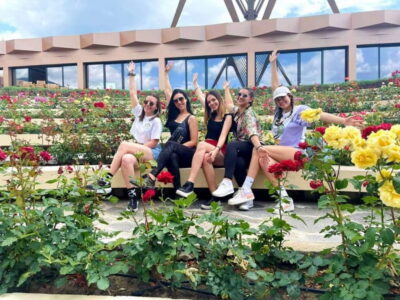
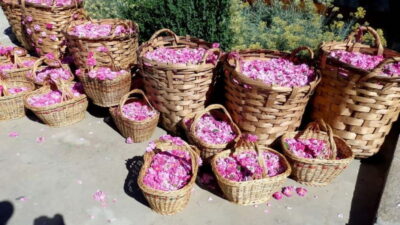
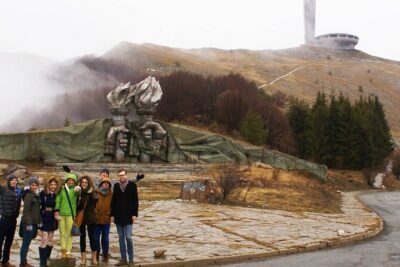
Buzludzha Monument and The Rose Valley Day Tour From Sofia 13 hrs
Read our review →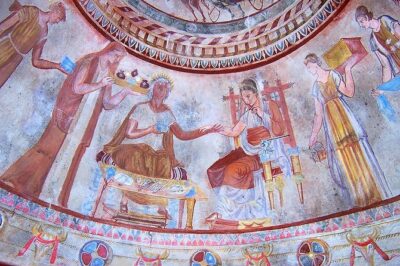
Rose Valley-Valley of the Thracian Kings – private tour from Plovdiv
Read our review →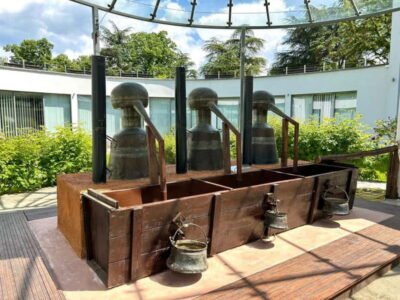
The Highlights of Bulgaria – Rose Valley and Buzludzha
Read our review →
Private Access Rose Festival Kazanlak 05-07.06.2025
Read our review →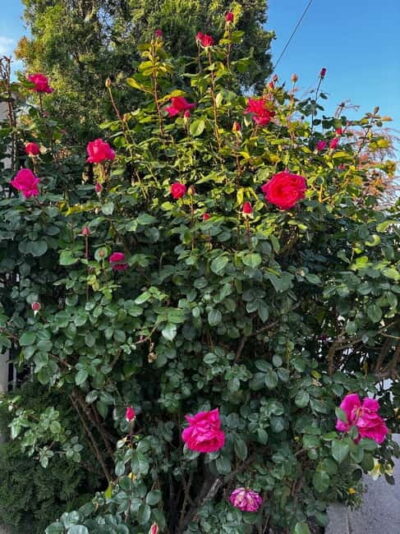
Picking Roses Workshop & Extracting Rose Oil in the Rose Valley
Read our review →Browse the lists this tour appears in