
Reviewed · SOFIA TOURS
Kosovo and North Macedonia in 2 Days from Sofia
Skopje, Pristina, and Prizren are not easy places to link by public transport in just two days. This tour solves that problem with small-group road travel, local guides, and an overnight in Prizren, Kosovo’s most atmospheric historic city. You get a quick but meaningful taste of two countries that many visitors struggle to reach from Sofia.
I especially like the contrast between the guides. The Bulgarian driver explains the regional story from Bulgaria’s side, while a Macedonian guide such as Lenny or Mike brings Skopje’s Yugoslav past and modern life into view. I also like the personal service in Kosovo, where guides such as Boris have helped with food choices, shopping stops, hydration, and changing plans.
The trade-off is time. You spend many hours in the vehicle, and the schedule can feel tight, especially in summer heat. A full walking tour of Skopje after a three-and-a-half-hour drive is demanding, and the van may feel cramped when all eight seats are occupied.
Key points to know before booking
- Three important Balkan cities in about 36 hours: Visit Skopje, Pristina, and Prizren without arranging several separate bus rides.
- A maximum of eight people: The small group allows more conversation and easier coordination than a large coach tour.
- Prizren is the star overnight stop: You sleep in the historic center, eat traditional food, and walk the old streets before breakfast.
- Guides change by country: Your Sofia-to-Skopje driver, Skopje guide, and Kosovo guide may be different people. Boris receives especially strong praise for his care and flexibility.
- Expect border and road time: Sofia to Skopje takes about three and a half hours, followed by more driving to Kosovo and back.
- Bring your passport and check visa rules: You cross international borders, and the tour company places this responsibility with you.
Why this two-day Balkan route works
This is a fast sampler, not a leisurely holiday. In roughly two days, you move from Bulgaria into North Macedonia and Kosovo, see three capitals or historic centers, and return to Sofia. That is a lot of ground, but the route gives you access to places that are awkward to fit into a short independent trip.
The best reason to book is convenience. You are picked up from a centrally located Sofia hotel or apartment at 8:00 am, ride in an air-conditioned vehicle, receive border-transfer help, and return to Sofia at the end. You do not need to work out separate transport between Skopje, Pristina, and Prizren.
The small maximum group of eight matters here. With several border crossings and multiple guides, a large coach could turn a short trip into a slow procession. A smaller group makes it easier to ask questions, adjust a lunch stop, or request a brief break.
You should still approach the trip with the right expectations. The route covers long distances, and the schedule depends on roads, border formalities, and handoffs between local guides. One part of the experience may be handled by a Bulgarian driver, another by a Macedonian city guide, and the Kosovo section by someone such as Boris or Gorchu.
A few more Sofia trips to weigh up
- 2 days Ski equipment rental in Borovets
★ 4.5 · 11 reviews
Skopje after the three-and-a-half-hour drive
The first major stop is Skopje, North Macedonia’s capital. After leaving Sofia at 8:00 am, you spend about three and a half hours on the road. During that drive, your Bulgarian guide explains the region through a Bulgarian lens, which prepares you for one of the more interesting features of the tour: different countries tell the same Balkan story in different ways.
In Skopje, a Macedonian guide leads about two hours of sightseeing. This local perspective adds useful context about Yugoslavia, the breakup of the federation, and daily life in modern North Macedonia. I like this two-guide arrangement because it avoids presenting history as a single tidy answer.
The walking tour begins around the Old Bazaar. This is the part of Skopje that feels most connected to its Ottoman past, with narrow streets, old mosques, and caravanserais that once served merchants crossing the Balkans. The bazaar is not just a photo stop. It helps explain Skopje’s position as a trade center between different cultures and faiths.
From there, you visit Kale Fortress, perched at the city’s highest point. The visit is short, about 15 minutes, but the elevation gives you a useful view across Skopje. You also see Sultan Murat Mosque, one of the city’s oldest and largest preserved mosques.
The Stone Bridge carries you across the Vardar River. It is described as the only preserved medieval bridge in Skopje, and it marks the shift from the older quarter to the newer city center. Allow yourself a moment here. The bridge is both a practical crossing and a visual line between two very different versions of Skopje.
Macedonia Square and the city of competing stories
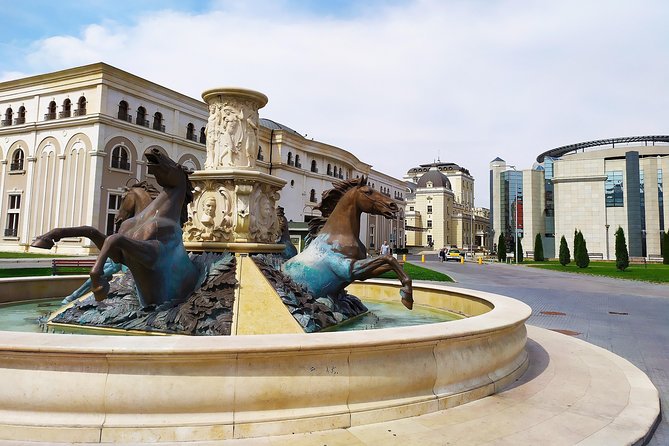
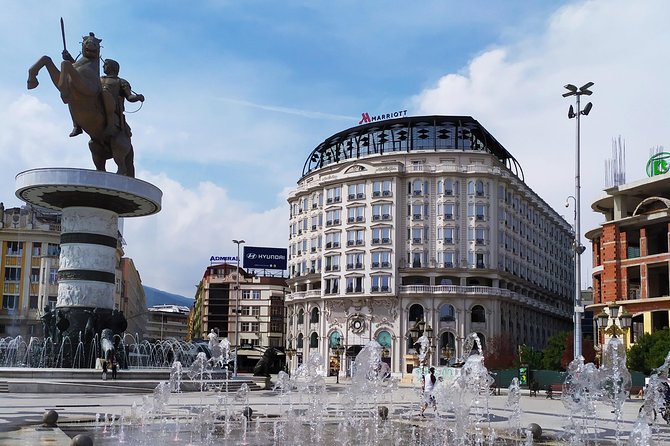
Macedonia Square presents a completely different face of the capital. Its grand neo-classical buildings and oversized monuments form part of the city’s modern redevelopment, including the large statue of Alexander the Great and a monument to his father, Philip II.
The square can feel theatrical. That is part of its interest. Your guide explains the ancient Macedonian rulers and the political meaning attached to them, while the contrast with the Ottoman quarter gives you a quick lesson in how Skopje layers, and sometimes exaggerates, its past.
The Mother Teresa Memorial House follows. Mother Teresa was born in Skopje, and the small museum traces her life through photographs and personal material. The walking portion finishes near the Gate Macedonia, a newer triumphal arch.
You then have about an hour and a half for lunch and rest. Food and drinks are not included, so budget separately for this break. Because the morning has involved a long drive and sustained walking, use the pause to drink water and cool down rather than treating it as a rushed meal.
Summer weather deserves serious attention. Temperatures above 35 degrees Celsius have made this walking section uncomfortable for some people, and one visit took place in 40-degree heat. Carry water, wear a hat, use sunscreen, and choose light clothing. If you struggle with heat or hills, tell the guide early.
Pristina’s Yugoslav architecture and Ottoman mosques
After lunch, the drive to Pristina takes about two hours. The capital of Kosovo offers a sharper change of mood than Skopje. The first stop is the National Library, completed in 1982 while Kosovo was part of Yugoslavia.
Its unusual exterior is often described as one of Europe’s least attractive major buildings. That blunt reputation is exactly why it is worth seeing. The structure tells you something about late Yugoslav design and the period’s taste for bold, experimental public architecture.
The walk continues past a statue of Mother Teresa. In Kosovo, her Albanian background gives her a particular importance. You also pass the 15th-century Carshia Mosque, identified as Pristina’s oldest building, and the Imperial Mosque, built by Sultan Mehmed II after his conquest of Constantinople.
The Pristina section is relatively short, and the route does not attempt to cover every part of the capital. This is a quick introduction before the evening drive to Prizren. In practice, the timing can become tight. At least one trip changed plans and went directly to Prizren because visiting both Kosovo cities in the available time proved difficult.
That possibility is worth understanding before you pay. The stated route includes Pristina and Prizren, but road delays, border timing, and group preferences can affect the day. If Pristina is your main reason for booking, confirm the expected plan with the operator before departure.
Same country, a completely different kind of day:
- From Sofia: Rila Monastery & Boyana Church Day Tour
★ 4.7 · 5,107 reviews - From Sofia: Must-See Rila Monastery & Boyana Church Day Tour
★ 4.6 · 3,322 reviews - From Sofia: Guided Day Tour of Plovdiv’s Must-See Sights
★ 4.6 · 1,688 reviews - From Sofia: 7 Rila Lakes and Rila Monastery Extended Trip
★ 4.7 · 1,189 reviews
Prizren after dark and before breakfast
The drive from Pristina to Prizren takes about an hour and a half, with arrival expected around 8:00 pm. Prizren is surrounded by mountains and has a more intimate feel than the capitals. Its historic center, narrow cobbled streets, Ottoman buildings, bridges, and mosques make it the emotional high point of the trip.
You stay overnight in the old part of town. That is a smart choice because it gives you a little time to see Prizren when the daytime schedule is over. Dinner is not included, but the guide can point you toward traditional food and help with choices. Boris is often praised for thoughtful restaurant suggestions and for making the evening feel relaxed rather than programmed.
The hotel and breakfast are included in the overall arrangement described for the tour. Accommodation quality can vary by property and date. One stay was comfortable and well located with a good breakfast, while another visitor found the room less impressive than expected and reported a faulty air-conditioning system. If hotel standards matter greatly to you, ask for the property name and current room details before booking.
Prizren is especially rewarding in the early morning. At about 8:30 am, after breakfast, you begin a walking tour while the town is starting its day. This is one of the few times on the route when the pace feels calm.
Prizren’s Ottoman center and Kalaja Fortress
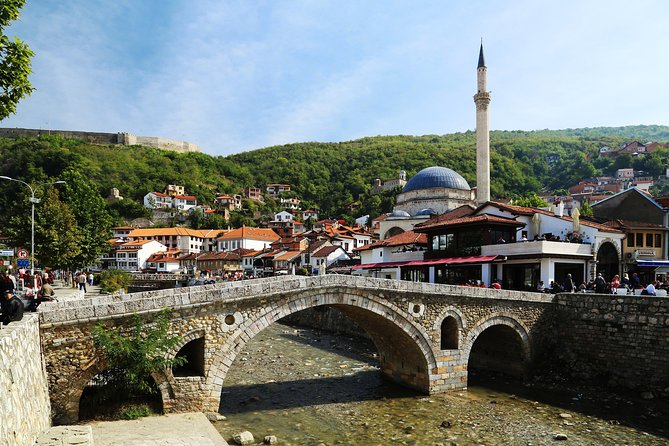
The first stop is Mahmet Pasha Hamam, a 16th-century bathhouse. From there, you cross the 15th-century Stone Bridge, which offers a fine view of the old center and the surrounding hills.
The Sinan Pasha Mosque, built in the early 17th century, is another central landmark. Small souvenir shops surround it, and the area gives you a practical sense of how historic religious buildings remain part of everyday town life.
The final Prizren stop is Kalaja Fortress, high above the city. The climb is the most physically demanding part of the morning, but the reward is a broad view over Prizren, its red-roofed buildings, surrounding mountains, and old quarter. The site also carries memories of several cultures and peoples that have shaped the city.
Wear firm shoes for the cobbles and the walk uphill. The tour requires a moderate level of fitness, and the heat can make the climb harder. You are not spending hours at the fortress, so take the time to enjoy the view rather than rushing through it for another photograph.
The return through Skopje to Sofia
After Prizren, the drive back to Skopje takes about two and a half hours. You have time to relax and eat lunch before leaving North Macedonia at about 3:00 pm for the return trip to Sofia.
The return journey is long, but the handoff system can work well. A Kosovo guide such as Boris may bring you back to Skopje, where another driver takes you onward to Sofia. Names vary, but several guides have been praised for safe driving, patience, and calm conversation during the long road sections.
The final drop-off is back in Sofia at the meeting point or another agreed location. Door-to-door service is particularly useful if you have luggage or an early onward connection, although you should not schedule anything too close to the expected return time. Border and road delays are outside the guide’s control.
What the $402.47 price really buys you
At $402.47 per person, this is not a budget bus excursion. The price makes more sense if you value time and simplicity. You are paying for two days of transport across three countries, multiple local guides, an overnight stay in Prizren, breakfast, an air-conditioned vehicle, and assistance with a route that is not simple to arrange independently.
The small group strengthens the value. A private trip would cost much more, while a large coach would likely feel less personal. If you are traveling alone or with one companion, this gives you access to a multi-country route without having to cover the full cost of a private driver.
Food and beverages are extra. Plan for lunch in Skopje, dinner in Prizren, lunch on the second day, and drinks along the way. The tour’s free sightseeing stops keep admission costs low, but the overall expense still includes the value of guides and transport rather than entrance tickets.
I would consider the price fair for a short, transport-heavy trip, especially if Kosovo is a priority and Sofia is your base. It is less attractive if you prefer slow mornings, long museum visits, or time to explore each city independently.
The guides make the difference
The strongest part of the experience is the human service. Guides and drivers named in past arrangements include Boris, Lenny, Mike, Peter, Rosen, Daniel, Elena, Gorchu, and others. Assignments can change, but the Kosovo guide often becomes the main companion because that section includes longer drives, dinner advice, sightseeing, and practical help.
Boris receives repeated praise for being patient, flexible, friendly, and willing to make useful stops. He has helped with shopping, fabric purchases, food recommendations, and late-night errands. That kind of help matters on a compressed trip, where a rigid guide could make the schedule feel stressful.
Skopje guides such as Lenny, Mike, and Mikhail are praised for explaining the city’s history and modern character. The quality of the experience depends partly on how much you enjoy asking questions and comparing viewpoints. The tour gives you plenty to discuss, from Ottoman trade routes to Yugoslav public buildings and modern national symbolism.
Who should book this experience
This tour suits you if you want to add Kosovo and North Macedonia while keeping Sofia as your base. It is also a good match if you dislike planning buses, border crossings, hotel transfers, and separate city guides.
You should be comfortable with:
- Early starts and long drives
- Several hours of walking
- Cobblestones and an uphill fortress visit
- Changing guides during the route
- Meals that are not included
- A schedule that can shift because of roads and borders
I would recommend it most strongly to curious first-time visitors who want context as well as photographs. It is less suitable if you have limited mobility, dislike vehicle travel, or want deep time in any one city.
The tour requires a passport, and you must check visa requirements for your nationality. Pickup is offered from a centrally located Sofia hotel or apartment, with the listed meeting point at the InterContinental Sofia by IHGOld City Center. Confirmation is provided at booking, and free cancellation is available until 24 hours before the start time. Poor weather may lead to a new date or a full refund.
Should you book the Sofia to Kosovo and North Macedonia trip?
Book it if your goal is to see the main historic sights of Skopje, get a short look at Pristina, and spend a worthwhile night in Prizren without solving Balkan transport on your own. The combination of local guides, a maximum of eight people, and door-to-door transfers gives this demanding route a friendly, manageable shape.
Think twice if you need a relaxed pace. The best version of this trip comes when you accept that it is a road journey with sightseeing attached, not two full city breaks. Pack water, sunscreen, comfortable shoes, and patience, then let Prizren’s evening streets and hilltop fortress provide the payoff.
FAQ
How long is the tour?
The experience lasts approximately two days, or about 36 hours depending on road and border timing.
Where does the tour begin?
Pickup begins at 8:00 am from your centrally located hotel or apartment in Sofia. The listed meeting point is the InterContinental Sofia by IHGOld City Center.
Where does the tour end?
The activity returns to Sofia and ends at the meeting point or an agreed drop-off location.
Which cities are visited?
The planned route includes Skopje in North Macedonia, Pristina in Kosovo, and an overnight stay in Prizren, Kosovo.
Where do you stay overnight?
The overnight stay is in the historic part of Prizren. Breakfast is included.
Is food included?
Food and beverages are not included. Breakfast is included, while lunch, dinner, snacks, and drinks are extra.
How large is the group?
The tour has a maximum of eight travelers.
What should you bring?
Bring your passport, and check whether you need visas for the countries on the route. Water, a hat, sunscreen, and comfortable walking shoes are also useful, especially in hot weather.
How fit do you need to be?
A moderate level of physical fitness is required. The route includes city walking, cobbled streets, and an uphill visit to Kalaja Fortress in Prizren.
Can you cancel for a full refund?
You can cancel at least 24 hours before the experience start time for a full refund. Changes or cancellations made less than 24 hours ahead are not accepted for a refund.
Just added around Sofia
- Veliko Tarnovo & Arbanasi Full day tour★ 5.0 · 5 reviews
- Sofia Hidden Gems: Small-Group Walking Tour with Tram Ride★ 5.0 · 7 reviews
- Private Winter Day Trip to the Rila Mountain★ 4.5 · 3 reviews
- Tour to Koprivshtitsa and the Buzludzha monument incl the Seuthes Thracian Tomb★ 3.5 · 3 reviews
- Private transfer from Sofia to Plovdiv or vice versa★ 5.0 · 8 reviews
- Catacomb Tour in Sofia guided by a Local★ 4.5 · 3 reviews
- Discover Sofia’s Unique Ancient Heritage – 5 Museums Included★ 5.0 · 3 reviews
- From Sofia: The gorges of Trun and Dragovski stone trail★ 5.0 · 6 reviews
Sofia Tours, compared.
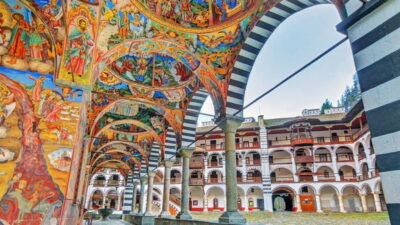
Must-See Rila Monastery & Boyana Church Day Tour
Read our review →
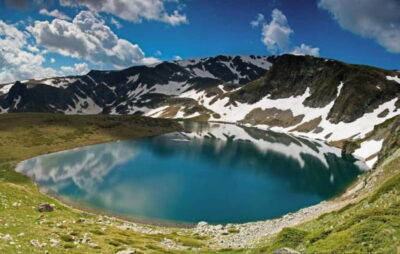
7 Rila Lakes and Rila Monastery Extended Trip
Read our review →
Browse the lists this tour appears in