
Reviewed · BULGARIAN WINE TASTINGS
Wine Tasting in Heart of Sofia
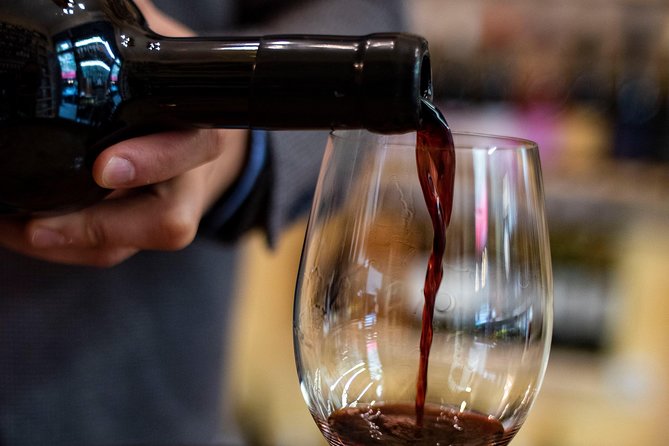
Bulgaria has been making wine for about 5,000 years, yet many visitors arrive in Sofia knowing little about its grapes. This one-hour tasting fixes that quickly, with five varieties rarely found outside Bulgaria, including Melnik, Mavrud, Gumza, and Rubin. I like the local focus and the way the tasting connects wine to Bulgarian history and regions.
I also like the small, personal setting at Tempus Vini, where host Kalin can explain the bottles in plain English and, in some tastings, pour wines he produced himself. The main consideration is that the selection may lean toward wines from the shop or the host’s own production, rather than offering an even comparison among many producers.
Key points at a glance
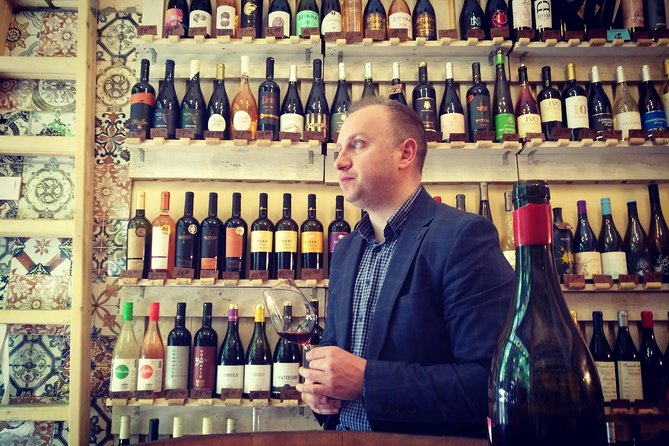
- Five Bulgarian grape varieties: Taste Miskets, Melnik, Mavrud, Gumza, and Rubin, grapes presented as unique to Bulgaria.
- A compact Sofia activity: The tasting lasts about one hour and begins and ends at Tempus Vini on Knyaz Boris I Street.
- Cheese with the wine: Three local cheeses, plus craft breads and mineral water, accompany the pours.
- History with every glass: Kalin explains Bulgarian wine from ancient times through the modern boutique-winery movement.
- A personal host: Kalin is a winemaker as well as a shop owner, and Julia has also led tastings in English.
- Good for curious drinkers: It is especially useful if you want a first, focused introduction to Bulgarian wine rather than a full-day winery outing.
Why Bulgarian wine deserves an hour in Sofia
Bulgaria’s wine story is older than its international reputation. Grapes have been cultivated here for roughly five millennia, but Bulgarian bottles remain less familiar in many foreign markets than wines from France, Italy, or Spain.
That gap is part of the appeal. You are not simply tasting another familiar Cabernet or Chardonnay in a different room. The point is to try grapes with names and flavors you may not encounter at home, then place them within Bulgaria’s wine-producing regions.
The tasting also gives you a useful way to understand the country. Wine production changed under different rulers and political systems, and the modern scene now includes small producers trying new methods. One tasting may include red, white, orange, or natural wine, depending on the selection that day.
I like this approach because the history does not sit apart from the wine. It helps explain why Bulgaria has both old native varieties and a new wave of boutique bottles. You get a short cultural lesson, but the glass remains the main event.
More Bulgarian Wine Tastings in Sofia
- Wine and Tapas Boutique Bulgarian Wine Tasting
★ 5.0 · 25 reviews - Plovdiv and Thracia Valley with Wine Tasting
★ 4.5 · 15 reviews - Bulgarian Wine and Cheese Tasting
★ 4.0 · 10 reviews
Entering Tempus Vini in Sofia’s old center
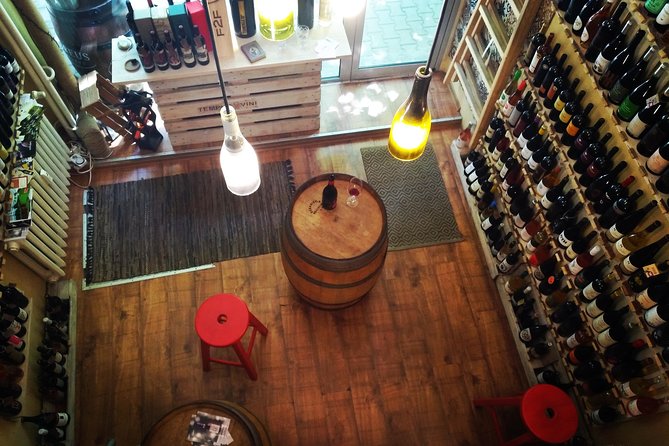
The meeting point is Tempus Vini, at 81 Knyaz Boris I Street in Sofia’s Old City Center. The shop is close to public transportation, and the activity finishes at the same address, so you do not need to arrange a ride between tasting locations.
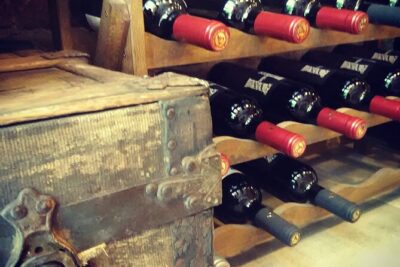
The shop setting matters. This is not presented as a large coach tour or a visit to a distant vineyard. You sit close to the bottles, shelves, and products that make up the shop’s everyday business. That gives the tasting a more direct feel, especially when the owner is leading it.
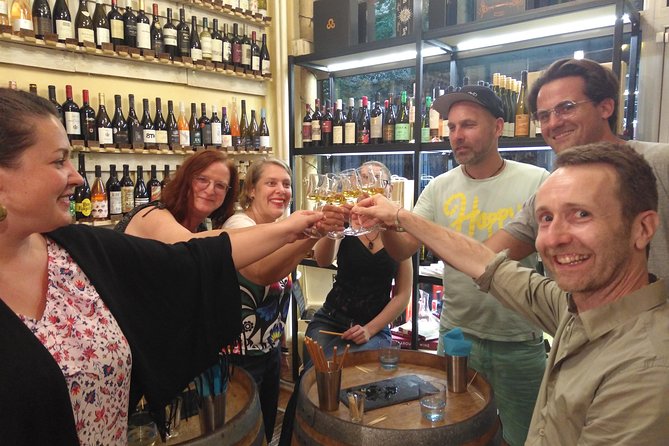
For small groups, the tasting takes place in the shop. Several sessions have had only four or five people, which makes it easier to ask questions and compare impressions. A larger booking may move to a nearby multimedia hall with special tasting equipment. It remains close to the shop, but the room can feel less intimate than the small-store version.
Your host may be Kalin, the owner and a wine producer, or Julia, who has also led sessions in English. Kalin’s role adds an unusual personal element because some of the wines may be his own. That is interesting if you want to hear how a small producer thinks about grapes and winemaking, though it also means the tasting may not represent a broad cross-section of Bulgarian wineries.
The five native grapes on the tasting table
The central promise is a tasting of five varieties: Miskets, Melnik, Mavrud, Gumza, and Rubin. The exact order and bottle selection can vary, but the idea is to move through different colors, aromas, and levels of intensity.
Miskets is included among the local grapes, while Melnik, Mavrud, Gumza, and Rubin are the names most likely to attract serious wine fans who want something unfamiliar. You do not need prior wine knowledge to enjoy this part. The host guides you through the basic process of smelling, swirling, and sipping, then explains how each grape fits into Bulgarian wine.
All the wines are served in one glass, with the pours arranged to build in intensity and aroma. That is a practical choice for a short tasting. You avoid a crowded table of glasses, and the sequence gives you a clearer sense of how the wines change from one sample to the next.
Some sessions have included orange and natural wines along with white and red wines. Do not expect every tasting to follow exactly the same color progression. The useful point is the range: you may encounter familiar wine styles made from unfamiliar grapes, as well as Bulgarian interpretations of less common styles.
The host also explains wine classification and the differences among Bulgaria’s producing regions. This is where the tasting becomes more than a succession of small pours. You begin to understand why two bottles from the same country can taste so different.
From ancient production to small modern wineries
Kalin’s presentation covers Bulgarian wine from ancient times to the present. The country’s wine story has been shaped by successive rulers and changing systems of production, so the talk provides context without requiring a separate museum visit or lecture.
The modern part is especially useful. A new generation of boutique winemakers is working to bring attention back to native grapes and small-scale production. Some bottles are made for the shop, and several tastings have featured wines produced by Kalin himself.
That personal connection can make the explanations more concrete. Instead of hearing only broad statements about Bulgarian wine, you may hear how a particular bottle was selected, made, or presented. The benefit is a direct link between producer and drinker. The tradeoff is that you should not treat the tasting as a neutral survey of every Bulgarian winery.
One small point is worth noting. The advertised format centers on five wines, but some sessions have included six. In other cases, three or four of the pours came from the host’s own production. The number and mix can depend on the group, the occasion, and the available bottles.
Same country, a completely different kind of day:
- From Sofia: Rila Monastery & Boyana Church Day Tour
★ 4.7 · 5,107 reviews - From Sofia: Must-See Rila Monastery & Boyana Church Day Tour
★ 4.6 · 3,322 reviews - From Sofia: Guided Day Tour of Plovdiv’s Must-See Sights
★ 4.6 · 1,688 reviews - From Sofia: 7 Rila Lakes and Rila Monastery Extended Trip
★ 4.7 · 1,189 reviews
Bulgarian cheeses, breads, and mineral water
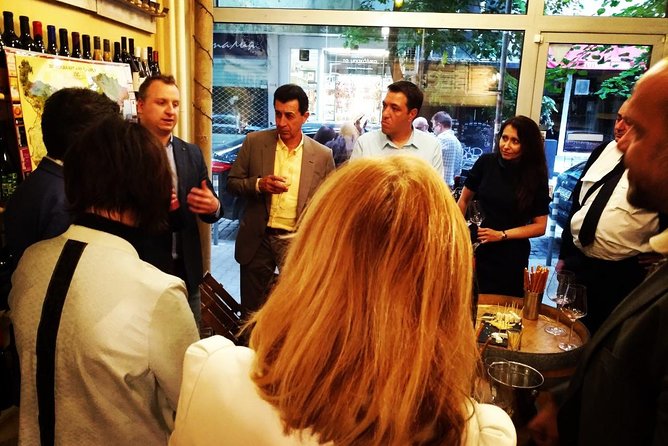
The tasting includes three local cheeses, craft breads, and mineral water. The cheese is not an afterthought. It gives you something to eat between pours and helps show how Bulgarian food works with the wine.
Kashkaval has been a favorite pairing for some people, and the selection may also include other local cheeses. For larger groups or special occasions, the food service can become a more substantial catered spread. The standard format is lighter, so you should not book this as a full meal.
I particularly like the food pairing because wine can taste sharp or tiring when you drink it without anything to eat. Cheese softens the edges of some wines and gives you a second way to compare them. A pour that seems bold by itself may work better alongside a salty or creamy bite.
The inclusion of mineral water is another small but useful touch. It helps you reset your palate and pace yourself during the hour. You are tasting alcohol, not simply sampling grape juice, so the water and food make the experience more comfortable.
What the one-hour format really gives you
One hour is enough for an introduction, but not enough for a winery tour, vineyard walk, or long technical seminar. That is the right way to judge this activity. You get a focused lesson and five principal wines, not a full day devoted to Bulgarian wine.
The short format works well in Sofia. You can fit it between sightseeing stops, use it as an afternoon activity, or schedule it before dinner. Since the meeting point is central and the tour returns there, you lose little time to transportation.
A short tasting also keeps the information manageable. You hear about grapes, regions, production, and history, but the discussion stays tied to what is in your glass. If the host spends more time answering questions, you may get less formal detail and more personal guidance.
The private format is another advantage. Only your group participates, rather than a large public crowd. That makes it easier to ask about buying bottles, food pairings, or the differences among regions. It can also mean that the tone depends heavily on your group’s interests and the host’s presentation.
The value of $36.47 per person
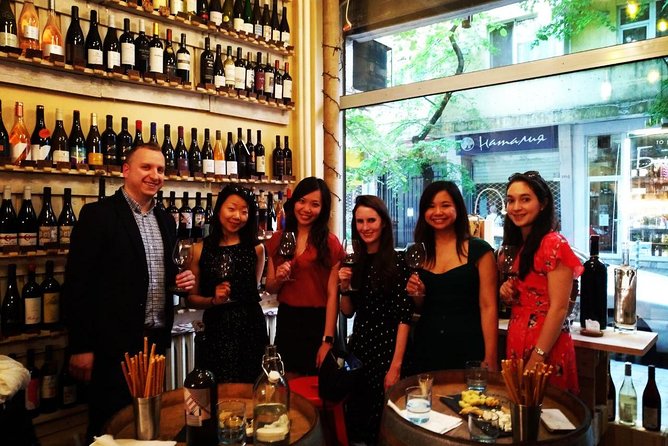
At $36.47 per person, this is not the cheapest way to drink wine in Sofia. You could order a Bulgarian bottle at a shop or restaurant for less than the cost of the tasting. The price makes more sense when you count the five pours, local cheeses, bread, mineral water, English-language guidance, and the background on Bulgarian wine.
I see the strongest value in the access to bottles and grapes you might not know how to choose on your own. A shop shelf full of unfamiliar labels can be hard to read, especially if you have only a few days in Sofia. Here, you can taste before deciding what to buy.
Several tastings have led people to purchase bottles afterward. That is not required, but Tempus Vini gives you a convenient place to continue exploring. You may find that the bottle you liked most is one you would never have picked from a label alone.
The value is lower if you already know Bulgarian wine well or want to compare a large number of independent producers. One criticism of the format is that too many pours may come from one producer, including the host. For a beginner, that personal selection can be helpful. For an experienced wine buyer, a broader set of wineries would offer a stronger comparison.
How the wines are presented
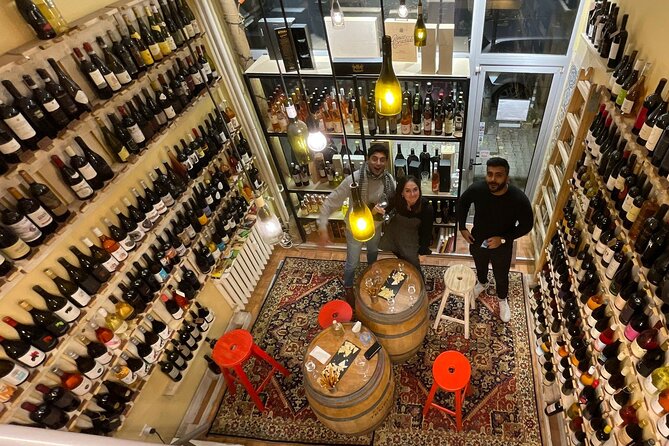
The pours are designed to move from lower to higher intensity and aroma, using one glass. You will likely spend time smelling and tasting rather than simply drinking each sample quickly.
The host explains the wine regions and the grape varieties as you go. The presentation is aimed at ordinary wine drinkers, not only specialists, so you can ask basic questions without feeling out of place. The strongest part of the experience is the conversation around the wines.
Some tastings have included white, red, orange, and natural wines. That variety adds interest, but it also means the session may not be perfectly uniform. One bottle may be a traditional red, while another uses a modern style that you have not tried before.
Bottle condition matters in any tasting. One session included a wine that had been open too long and tasted flat compared with the same wine tasted the next day. This appears to be an isolated practical flaw rather than the main character of the experience, but it is a reminder that an open bottle can change.
Who should book this experience
I would choose this tasting if you are curious about regional wine, enjoy small-group activities, or want an easy cultural stop in central Sofia. It suits beginners because the host provides context, but it also gives experienced drinkers unusual grapes and less common styles to consider.
It is a good match for couples and small groups. The private setup allows the host to respond to your questions, and the cheese makes the hour feel social rather than formal.
You should also consider it if you want to buy Bulgarian wine but do not know where to begin. Tasting several bottles first can save you from choosing only by price or label design.
I would be more cautious if you want a visit to vineyards outside Sofia. This is a city wine tasting in a shop, not a countryside excursion. You will learn about Bulgarian regions, but you will not visit the vineyards themselves.
The activity is also less suited to someone who wants a substantial meal. The standard food is local cheese and bread, with more catering available for larger groups or special occasions. Eat beforehand if you need dinner rather than snacks.
Timing, booking, and practical details
The experience lasts about one hour and is offered in English. Confirmation is provided when you book, and the activity accepts a mobile ticket.
Most people can participate, and the meeting point is near public transportation. No private transportation is included, but you do not need it because the tasting stays at Tempus Vini or a nearby hall.
The experience is booked about 12 days ahead on average, so I would reserve before your Sofia visit if your schedule is tight. Free cancellation is available up to 24 hours before the start time. Later cancellations and changes are not accepted for a refund.
The activity requires good weather and a minimum number of participants. If poor weather or low numbers cause cancellation, you are offered another date or experience, or a full refund.
Should you book the Tempus Vini tasting?
Book it if you want a compact, personal introduction to Bulgarian wine and prefer unusual local grapes to familiar international labels. The mix of five wines, regional context, local cheese, and a host who may also be a producer makes the $36.47 price reasonable for a first look at Bulgaria’s wine culture.
Go in knowing that the selection may favor Tempus Vini bottles or Kalin’s own wines, and that the standard food is a tasting plate rather than a meal. For most visitors spending a few days in Sofia, this is an efficient way to taste beyond the usual sightseeing route and leave with a much better idea of what to look for in Bulgarian wine.
FAQ
Where does the wine tasting begin?
It begins at Tempus Vini, 81 Knyaz Boris I Street, 1000 Sofia, Bulgaria, in the Old City Center.
How long does the experience last?
The tasting lasts approximately one hour.
How many wines are included?
The standard tasting includes five Bulgarian wines made from Miskets, Melnik, Mavrud, Gumza, and Rubin grapes. Some sessions have included six wines.
What food is served?
The standard food pairing includes three local Bulgarian cheeses, craft breads, and mineral water. Larger groups and special occasions may receive additional catering.
Is the tasting offered in English?
Yes. The experience is offered in English. Kalin has hosted tastings, and Julia has also led a session in English.
Is transportation included?
No private transportation is included. The tasting takes place at the shop or in a nearby hall, and the meeting point is near public transportation.
Is this a private activity?
Yes. Only your group participates in the activity.
What is the cancellation policy?
You can cancel at least 24 hours before the start time for a full refund. Cancellations or changes made less than 24 hours before the start time are not accepted for a refund. If the activity is canceled because of poor weather or too few participants, you are offered another date or experience, or a full refund.
More Food & Drink in Sofia
- Sofia: Flea and Food Markets Tour
★ 4.8 · 63 reviews - Sofia Food & Tasting Tour with Communist-Era Tram Ride
★ 5.0 · 35 reviews - Market Food Tour
★ 4.5 · 21 reviews - Sofia: 5-Stop Food & Culture Tour by Communist-Era Tram
★ 5.0 · 18 reviews
More Wine Tours in Sofia
- Sofia: Wine & Cheese Tasting Experience
★ 4.9 · 674 reviews - Sofia: Guided Tasting of Local Wines and Cheeses
★ 4.6 · 181 reviews - Sofia Afternoon Walking Tour with Wine and Food Tasting
★ 4.5 · 43 reviews - Sofia Wine Walk
★ 5.0 · 18 reviews
Just added around Sofia
- Veliko Tarnovo & Arbanasi Full day tour★ 5.0 · 5 reviews
- Sofia Hidden Gems: Small-Group Walking Tour with Tram Ride★ 5.0 · 7 reviews
- Private Winter Day Trip to the Rila Mountain★ 4.5 · 3 reviews
- Catacomb Tour in Sofia guided by a Local★ 4.5 · 3 reviews
- Tour to Koprivshtitsa and the Buzludzha monument incl the Seuthes Thracian Tomb★ 3.5 · 3 reviews
- Private transfer from Sofia to Plovdiv or vice versa★ 5.0 · 8 reviews
- Discover Sofia’s Unique Ancient Heritage – 5 Museums Included★ 5.0 · 3 reviews
- From Sofia: The gorges of Trun and Dragovski stone trail★ 5.0 · 6 reviews
Bulgarian Wine Tastings, compared.
Special History And Wine Tour including Wine Tasting
Read our review →

Private Wine Tasting in the UNESCO town of Nessebar
Read our review →
Guided Walking Tour of Nessebar Old & Wine tasting
Read our review →
Browse the lists this tour appears in