
Reviewed · BULGARIAN FOOD TASTINGS
Bulgarian Food tasting, cullinary-historical tour, Cooking class
Bulgarian food makes the most sense when you help prepare it. This six-hour Sofia experience takes you from Zhenski Pazar, the Women’s Market, to a private kitchen, where Mariela builds a three-dish menu around your skills and tastes. You may make burek, dolmas, gyuvetche, kavarma, grilled meat, or a sweet pastry such as tikvenik.
I like the flexible menu and the way the market visit connects ingredients with Bulgarian customs. I also like that this is a private activity, so you can ask questions freely and work at your own pace. The main drawback is time: shopping, cooking, and eating can take longer than six hours, and portions may be large if you are cooking alone.
Key points to know before booking
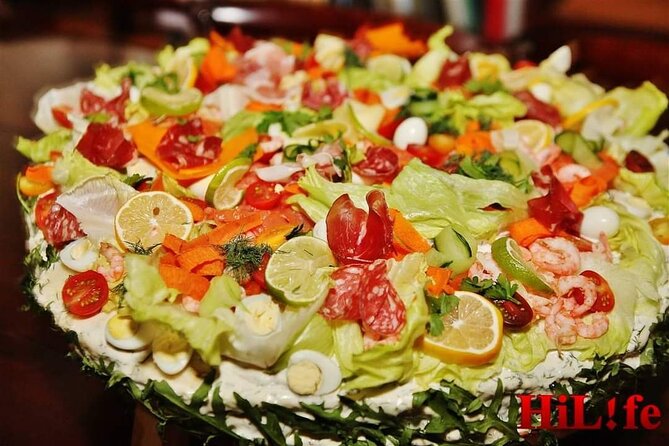
- A menu shaped around you: Mariela chooses three Bulgarian dishes according to your preferences and cooking ability.
- A real market stop: On a suitable working day, you shop together at Sofia’s Women’s Market and learn about local products.
- More than recipes: The class includes Bulgarian and Balkan food traditions, practical techniques, and conversation about Sofia.
- A generous final meal: Lunch, brunch, or dinner is included, but portions can be bigger than one solo diner needs.
- Private and personal: Only your group takes part, with English-language instruction.
- Plan for stairs and a cat: The kitchen is on the second floor with no elevator, and a cat lives there.
From Sofia’s Women’s Market to the kitchen
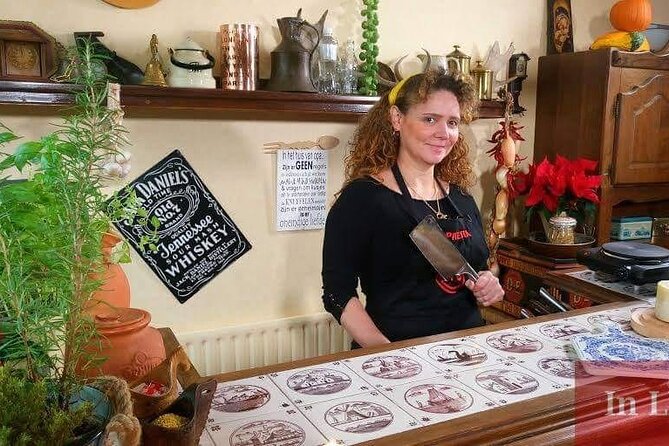
This is not a class where you simply arrive, follow a printed recipe, and leave with a certificate. The food begins at Sofia’s Women’s Market, known locally as Zhenski Pazar. If the weather is fine and the day is a working day, Mariela meets you there for grocery shopping.
That opening matters. Bulgarian cooking depends on everyday products and familiar methods, not hard-to-find ingredients or restaurant tricks. At the market, Mariela explains Bulgarian foods and traditions as you decide what will go into the meal. You get a better sense of how local cooking starts, with choices made at a neighborhood food market rather than from a fixed tourist menu.
The market visit is weather dependent, so it is not guaranteed on every date. If it does not happen, the main value of the activity remains the cooking session and shared meal, but you should not book expecting a full market tour in all conditions.
The meeting point is by the Church of St. Nicholas the Wonderworker in central Sofia, at bul. Tsar Osvoboditel 3. You can also arrange to meet directly at Luvov Most metro station. The listed start time is 9:00 a.m., though one participant arranged a 4:00 p.m. start and finished around 9:30 p.m. That is useful to know: confirm the timing with Mariela before you go, especially if you have evening plans.
More Bulgarian Food Tastings in Sofia
- Sofia Afternoon Walking Tour with Wine and Food Tasting
★ 4.5 · 43 reviews - Rakia Museum Entrance Ticket
★ 5.0 · 27 reviews - Market Food Tour
★ 4.5 · 21 reviews
Cooking with Mariela, one menu at a time
After shopping, you head to the kitchen for hands-on preparation. Mariela plans three typical Bulgarian dishes, but the exact menu is not locked in advance. Your cooking level and food preferences help shape it.
That flexibility is one of the strongest reasons to choose this class. If you are new to cooking, the menu can be adjusted so you learn without feeling rushed. If you already cook often, you can focus on techniques and dishes that are less familiar. The point is not just to reproduce one meal. It is to pick up methods you can use again at home and to understand how Balkan cooking brings together pastry, meat, vegetables, cheese, and slow baking.
A simple technique can be worthwhile. One participant singled out Mariela’s method for slicing an onion, along with a roasted vegetable salad. Those details suggest the class pays attention to the small actions that affect the final dish, not only the headline recipes.
The kitchen equipment is included, so you do not need to bring cooking tools. The activity is conducted in English, and the private format gives you room to ask for clarification or request a change. Mariela has worked as a cook and hotel manager, among other jobs, and conversation can extend beyond food to Sofia, travel, and her wider life experience.
Do not expect a fast demonstration followed by a passive tasting. You will be involved in preparing the food. That is rewarding, but it also explains why the total time can stretch beyond the stated six hours. Shopping, chopping, baking, cooking, and eating take real time.
What might appear on your plate
The sample choices cover several sides of Bulgarian home cooking. The exact dishes depend on your choices, but the possibilities give you a clear idea of the meal’s range.
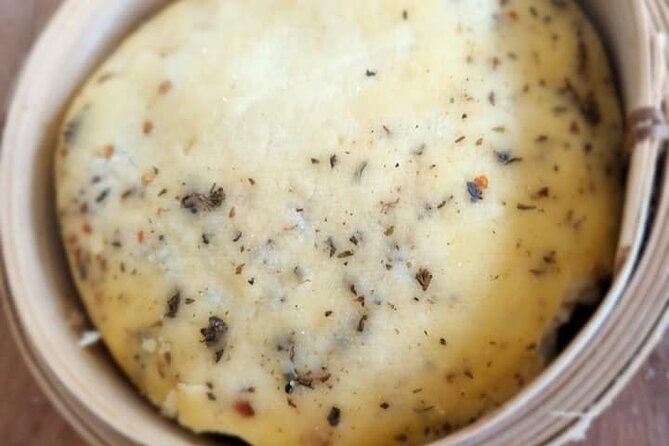
Burek is a cheese pastry and a good introduction to the region’s love of layered dough and savory fillings. It works well as a starter, though pastry preparation can add work to the class.
Dolmas, listed here as cabbage with meat, show the stuffed-vegetable tradition shared across much of the Balkans. This is the sort of dish where technique and patience matter more than fancy presentation.
Gyuvetche is a hot pot made with meat or vegetables. It is a practical main course for learning how Bulgarian food uses a cooking vessel to bring ingredients together slowly.
Kavarma can be made with chicken or pork, baked in a pot, and covered with omelette. It is a hearty choice and gives you a different style of preparation from grilled meat.
Meshana skara is mixed grilled meat. If you prefer a substantial, meat-focused meal, this is one of the clearest options on the menu.
For dessert, you might make tikvenik, a pumpkin pastry, or mekitzi. Mekitzi are described as a cousin of Hungarian langos and may be served with honey or feta cheese. They are eaten for breakfast or dessert, which neatly shows how Bulgarian food does not always divide sweet and savory into strict boxes.
Because the menu is tailored, you should discuss allergies, dislikes, and preferences before the class. The supplied information confirms that Mariela adjusts the menu to personal tastes, but it does not promise that every dietary restriction can be accommodated. Ask early rather than hoping to change the plan after shopping.
The meal is part of the lesson
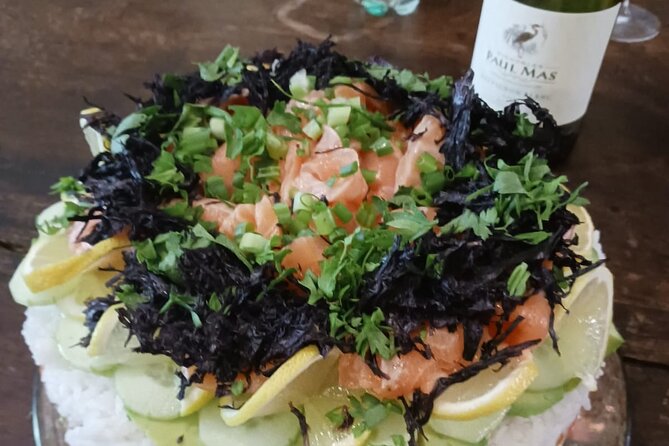
Once the dishes are finished, you sit down for lunch, brunch, or dinner. Food is included, while alcohol, soda, and bottled water are not. Plan to buy or bring your own drinks if you want something beyond the meal.
The final sitting is not an afterthought. It lets you taste the results together and talk through what you cooked. One participant described Mariela as generous with her time and appreciated the combination of food, Sofia history, and personal conversation. That is a useful way to think about the class: it is part cooking lesson, part long meal, and part conversation with a local host.
The portions may be generous. A solo participant found that some dishes were too large for one person. For couples or small groups, that may feel like a bonus. If you are alone, expect a filling meal and possibly more food than you can comfortably finish.
The experience ends back at the meeting point. Since the activity can run longer than the approximate six-hour schedule, avoid booking a tightly timed museum visit, train, or evening performance immediately afterward.
Same country, a completely different kind of day:
- From Sofia: Rila Monastery & Boyana Church Day Tour
★ 4.7 · 5,107 reviews - From Sofia: Must-See Rila Monastery & Boyana Church Day Tour
★ 4.6 · 3,322 reviews - From Sofia: Guided Day Tour of Plovdiv’s Must-See Sights
★ 4.6 · 1,688 reviews - From Sofia: 7 Rila Lakes and Rila Monastery Extended Trip
★ 4.7 · 1,189 reviews
Why this is a good way to understand Bulgarian food
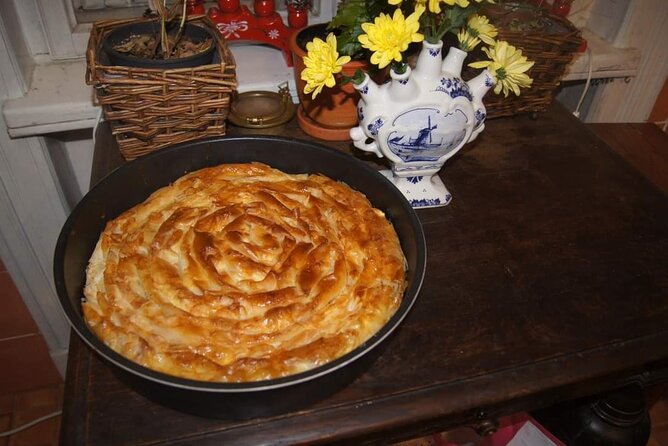
A restaurant meal shows you what Bulgarian food tastes like. Cooking shows you how it is assembled and why certain dishes fit daily life.
Pastry, stuffed cabbage, baked pots, grilled meat, and fried dough may look like separate subjects, but together they point to a food culture built around sharing, adaptable ingredients, and filling meals. The class also places Bulgarian food within the wider Balkan kitchen. Mekitzi’s comparison with langos, for example, gives you a useful regional connection without pretending every country cooks the same way.
The Women’s Market adds another layer. You are not simply hearing a lecture about Bulgarian products. When the market visit operates, you see the buying stage and then use those ingredients in the kitchen. That link between shopping and cooking is especially useful if you want to continue making Balkan dishes at home.
I also value the personal scale. In a large class, questions can get lost and the menu is usually fixed. Here, only your group participates. Mariela can spend more time on a technique, adapt the pace, or explain why a dish is prepared in a particular way.
The tradeoff is that the experience depends heavily on the host relationship. This is not a polished production with a team of instructors and a printed schedule. It is personal and flexible, which many people will like, but it means the pace and conversation are part of the product.
Price, timing, and practical comfort
At $138.18 per person, this is not the cheapest way to eat in Sofia. You are paying for roughly six hours of private instruction, kitchen use, ingredients, a market visit when conditions allow, and a full meal. For a solo visitor, the price is easier to justify if you want actual instruction and personal attention rather than just a tasting.
For two or more people, the value improves because the private format and shared food work better for a small group. You also avoid paying separately for a market tour, a cooking class, and a meal, though the exact value depends on how much cooking time and discussion you want.
The timing deserves careful attention. The stated start is 9:00 a.m., but a later start has been arranged before. Ask Mariela to confirm the meeting time and expected finish. The food is generous, and the class may feel leisurely rather than tightly scheduled.
You can reach the starting area by public transportation, and pickup is offered. Luvov Most metro station is another possible meeting point. The activity is private, and service animals are allowed.
The kitchen is on the second floor of a building without an elevator. That makes the class unsuitable for anyone who cannot manage stairs. There is also a cat in the kitchen. If you have allergies or dislike animals, tell Mariela in advance.
Who will enjoy this Sofia cooking class?
I would recommend it to you if you want to do more than check Bulgarian dishes off a menu. It suits curious eaters, home cooks, couples, families, and small groups who like conversation and do not mind giving much of a day to one activity.
It is especially useful for anyone who wants a custom menu. You can steer the food toward pastry, vegetables, meat, or dessert, within the choices available and the time of the class. Beginners should appreciate the adaptable pace, while confident cooks can ask about techniques and regional food traditions.
Solo diners can still have a good time, but should remember the portion issue and the private-tour price. If you prefer a short, highly structured class or a quick meal between sightseeing stops, this probably is not the right fit.
The experience also works well near the start of a Sofia stay. The market and food discussion can help you recognize Bulgarian ingredients and dishes during the rest of your visit. You may leave with more confidence ordering or shopping, even if you do not recreate every recipe at home.
Should you book it?
Book this experience if you want a personal introduction to Bulgarian food, enjoy cooking with a host, and can spare a flexible half day. The best parts are the menu built around your preferences, the possible market shopping, Mariela’s patient teaching, and the chance to sit down and eat what you made.
Skip it if you need a short activity, cannot climb two flights of stairs, have serious concerns about a cat in the kitchen, or want drinks included. Also allow extra time beyond the advertised six hours.
For the right person, the value is not just three recipes. It is the connection between Sofia’s market, Bulgarian ingredients, cooking technique, and a generous shared meal.
FAQ
How long does the Bulgarian cooking experience last?
The activity lasts approximately six hours, but it may take longer. A later session previously ran from 4:00 p.m. until about 9:30 p.m., so confirm the timing and expected finish before booking other plans.
What time does the experience start?
The listed start time is 9:00 a.m. A direct meeting at Luvov Most metro station may also be possible, and a different start time can be arranged with Mariela.
Where does the experience begin and end?
It begins at the Church of St. Nicholas the Wonderworker in Sofia Center, at bul. Tsar Osvoboditel 3. The activity ends back at the meeting point.
Is the market visit always included?
The visit to Zhenski Pazar, the Women’s Market, takes place when the weather is suitable and it is a working day. It is not guaranteed in poor weather or outside market hours.
What food will I cook?
You will prepare three typical Bulgarian dishes selected around your cooking skills and preferences. Possible dishes include burek, dolmas, gyuvetche, meshana skara, kavarma, tikvenik, and mekitzi.
Are drinks included?
Lunch, brunch, or dinner and kitchen equipment are included. Alcoholic drinks, soda, and bottled water are not included.
Is the kitchen accessible to everyone?
The kitchen is on the second floor and the building has no elevator. A cat is also present in the kitchen, so tell Mariela in advance about allergies or concerns about animals.
More Food in Sofia
- Sofia Food & Tasting Tour with Communist-Era Tram Ride
★ 5.0 · 35 reviews - Sofia: 5-Stop Food & Culture Tour by Communist-Era Tram
★ 5.0 · 18 reviews - 3-Hour Private Bulgarian Food Tasting Tour of Sofia
★ 5.0 · 14 reviews - From Sofia: Rila Monastery Tour with Wine & Food degustation
★ 5.0 · 7 reviews
More Food & Drink in Sofia
- Sofia: Wine & Cheese Tasting Experience
★ 4.9 · 674 reviews - Wine Tasting in Heart of Sofia
★ 5.0 · 545 reviews - Sofia: Guided Tasting of Local Wines and Cheeses
★ 4.6 · 181 reviews - Sofia: Flea and Food Markets Tour
★ 4.8 · 63 reviews
Just added around Sofia
- Veliko Tarnovo & Arbanasi Full day tour★ 5.0 · 5 reviews
- Sofia Hidden Gems: Small-Group Walking Tour with Tram Ride★ 5.0 · 7 reviews
- Private Winter Day Trip to the Rila Mountain★ 4.5 · 3 reviews
- Private transfer from Sofia to Plovdiv or vice versa★ 5.0 · 8 reviews
- Catacomb Tour in Sofia guided by a Local★ 4.5 · 3 reviews
- Tour to Koprivshtitsa and the Buzludzha monument incl the Seuthes Thracian Tomb★ 3.5 · 3 reviews
- Discover Sofia’s Unique Ancient Heritage – 5 Museums Included★ 5.0 · 3 reviews
- From Sofia: The gorges of Trun and Dragovski stone trail★ 5.0 · 6 reviews
Bulgarian Food Tastings, compared.
Sofia Afternoon Walking Tour with Wine and Food Tasting
Read our review →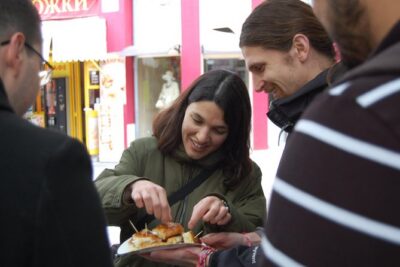
Food Walk: Bulgarian Food and Culture Tour in Plovdiv
Read our review →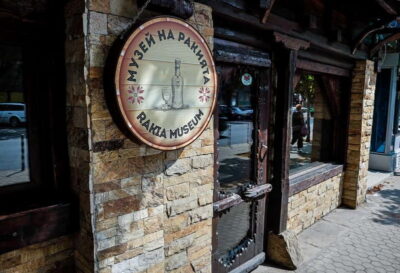
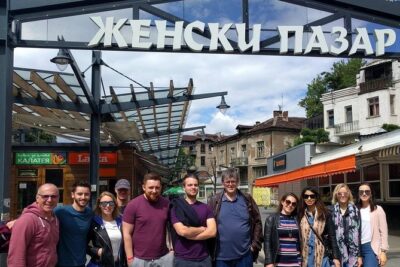
Food Walk Plovdiv: Bulgarian Food and Culture Tour
Read our review →
3-Hour Private Bulgarian Food Tasting Tour of Sofia
Read our review →
Bulgarian Premium Aged Rakia, Cold Cuts and Pickles Tasting
Read our review →
Gorno Draglishte: Local Folklore Experience w/ Food Tasting
Read our review →Browse the lists this tour appears in