
Reviewed · PLOVDIV TOURS
From Plovdiv: Sofia – A Story of an Ancient State Day Tour
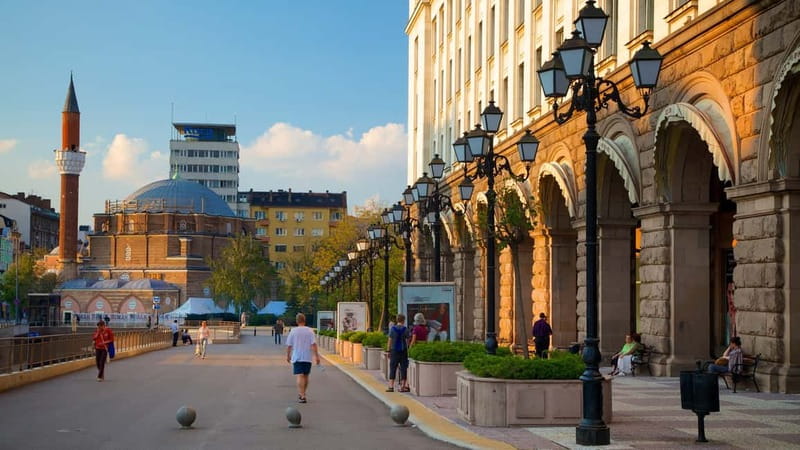
Sofia tells its story in layers: Roman streets beneath the modern capital, Orthodox churches beside government buildings, and Communist monuments beyond the city center. This nine-hour trip from Plovdiv gives you a useful first look at all of it, rather than limiting the day to one period.
I like the small group size of eight and the way the route connects Sofia’s ancient, royal, Communist, and modern chapters. I also like that entrance fees and hotel transport are included, which makes the $104 price easier to judge. The tradeoff is time: a long drive from Plovdiv leaves roughly three hours for the central walking tour, so this is an overview rather than a slow, museum-heavy day.
Key points to know before booking
- A full Sofia introduction from Plovdiv: You cover Roman Serdica, Orthodox landmarks, royal buildings, Communist architecture, and modern Bulgaria in one day.
- Three hours on foot in central Sofia: Expect a concentrated walk through the city center, including Alexander Nevsky Cathedral, St. Sofia Church, St. George Rotunda, the parliament, and Sofia University.
- Two major museum and church visits: The Sofia History Museum, National History Museum, and Boyana Church add indoor context to the outdoor sightseeing.
- A small group capped at eight people: This gives the guide a better chance to answer questions and adjust the pace than a large coach tour.
- A memorable final stop: Park The Bells recalls the 1979 Flag of Peace initiative, when children from both sides of the Iron Curtain met and made bells.
- Plan for a long day: Hotel pickup starts at 9:00, food and drinks cost extra, and comfortable shoes are essential.
Why this Sofia day trip works from Plovdiv
The drive takes about two hours on a modern highway that follows the route of an ancient road linking the Silk Road with Rome. That detail gives the transfer a useful sense of place: you are not simply moving between two Bulgarian cities, but following an old east-west corridor that helped carry trade, armies, and ideas across the region.
You are picked up at your hotel or address in Plovdiv at 9:00. Transportation is in a modern vehicle, and the small-group format is limited to eight people. That matters on a day with several stops, since getting in and out of the vehicle can take much longer with a full coach.
The trip is best seen as a carefully packed introduction to Sofia. You will get the city’s main symbols, two important museum stops, an exceptional medieval church, and a Communist-era monument outside the center. You will not have hours to linger at every display or wander freely through every neighborhood.
The English-speaking guide is an important part of the experience. Ivo led several departures and is described as friendly, helpful, and strong on Bulgarian and Sofia history. Theodore also guided a successful trip and was praised as good company. One useful detail from the feedback is that the tour continued even when only one person had booked, so a small booking does not automatically mean cancellation.
Other Plovdiv days people book alongside this one:
- Private city walking tour of Plovdiv
★ 5.0 · 65 reviews - Plovdiv: Bachkovo Monastery, Asen Fortress, & Bridges Tour
★ 5.0 · 56 reviews - Plovdiv: Guided Walking Tour
★ 4.3 · 41 reviews
Roman Serdica beneath modern Sofia
Once you reach Sofia, the day moves into the historical center. The city was known in Roman times as Serdica, and the remains of that settlement help explain why Sofia has such an unusual mix of old and new.
The Roman ruins reveal streets and building traces from the ancient city. You then see St. Sofia Church, one of the city’s key early Christian landmarks, followed by the Rotunda of St. George. The rotunda is especially striking because it survives amid later urban development, with modern Sofia built around it.
This part of the walk is valuable because it gives you a clear visual lesson in how cities grow. Roman foundations, medieval churches, Ottoman and later structures, royal buildings, and Communist offices are not isolated in separate theme parks. They occupy the same central district.
The pace will suit you if you prefer a guide to connect the pieces as you walk. It may feel brisk if your main goal is quiet photography or close study of Roman remains. Comfortable shoes are not optional here. The tour includes around three hours of walking, with several historic stops packed into that time.
Alexander Nevsky Cathedral and the city’s public face
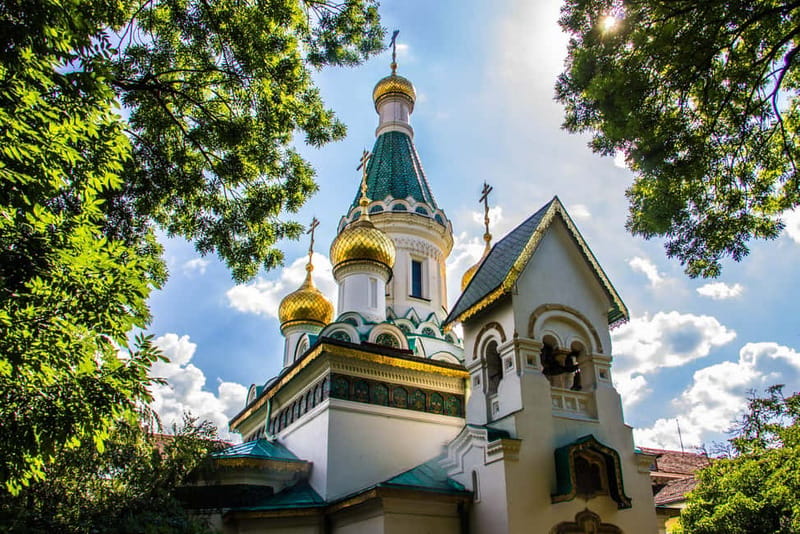
Alexander Nevsky Cathedral is Sofia’s best-known landmark and the visual symbol most closely linked with the city. Its scale gives the central district a grand focal point, while its role reflects Bulgaria’s Orthodox tradition and national identity.
The route also takes in the monarchy palace, Sofia University’s main building, the parliament, and a late 19th-century piece of art. These stops shift the focus from ancient Sofia to the period when the city became the center of the Bulgarian state.
I like this part of the itinerary because it avoids treating Sofia as only an old church town. You see the institutions that shaped modern Bulgaria: education, government, monarchy, and national religion. The guide can also help explain how the capital’s public buildings reflect different stages of the country’s development.
The city center is compact enough to make this broad route practical, but you should set your expectations correctly. This is a viewing and storytelling tour, not a long private visit inside every building. The value comes from the connections between the sights.
The Sofia History Museum and Bulgaria’s 20th-century story
The Sofia History Museum adds a more focused look at the city itself. Its displays cover the period when Sofia became the center of the country, including the 20th-century monarchy period.
This museum stop is useful after the outdoor walk because it puts faces, objects, and political change behind the buildings you have just seen. It helps explain the city’s shift from an older regional settlement to the capital of modern Bulgaria.
The museum also breaks up the walking. A nine-hour tour can feel demanding, so an indoor stop offers a change of pace. The exact amount of time available at each museum is not specified, and the packed itinerary means you should not expect an extended research visit.
One strength of this tour is its range. You are not asked to choose between ancient ruins and recent political history. In a single day, the guide moves you from Serdica to the monarchy and then into the Communist period, showing how each era left its mark on Sofia.
Same country, a completely different kind of day:
- Food Walk: Bulgarian Food and Culture Tour in Plovdiv
★ 5.0 · 35 reviews - Wonderful Bridges-Bachkovo Monastery-Assen’s Fortress – day tour from Plovdiv
★ 5.0 · 32 reviews - Plovdiv guided walking tour
★ 5.0 · 31 reviews - Bachkovo Monastery & Asen’s Fortress – day tour from Plovdiv
★ 5.0 · 28 reviews
Communist architecture and the city beyond the center
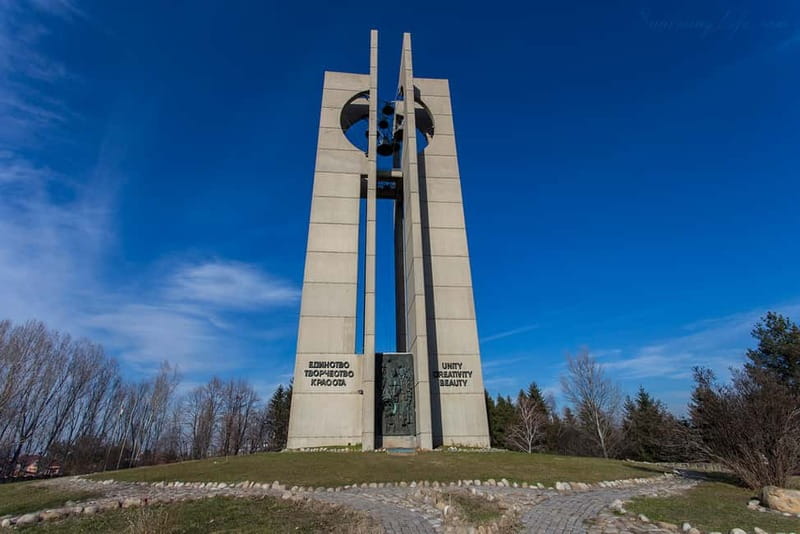
Sofia’s Communist-era architecture is part of the experience, not a side note. The central route includes the Communist administrative center, where large government buildings and formal public spaces present a very different idea of what a capital should look like.
For many people, this will be one of the more useful parts of the day. Bulgaria’s recent past can be easy to skip when a city tour focuses only on churches and ancient ruins. Here, the Communist period is included in the main story, alongside the monarchy and the medieval state.
You then leave central Sofia for the city’s outskirts and the former main Communist residence. In modern times, this site houses the National History Museum. The change in setting helps you see how political power was arranged beyond the old center.
The buildings and monuments may not appeal to every reader, especially if your main interest is medieval architecture. Still, the inclusion gives the tour a more honest view of Bulgaria. Sofia is not a polished collection of old sights. It is a capital shaped by ancient rule, Orthodox Christianity, monarchy, state socialism, and the present day.
The National History Museum in a former Communist residence
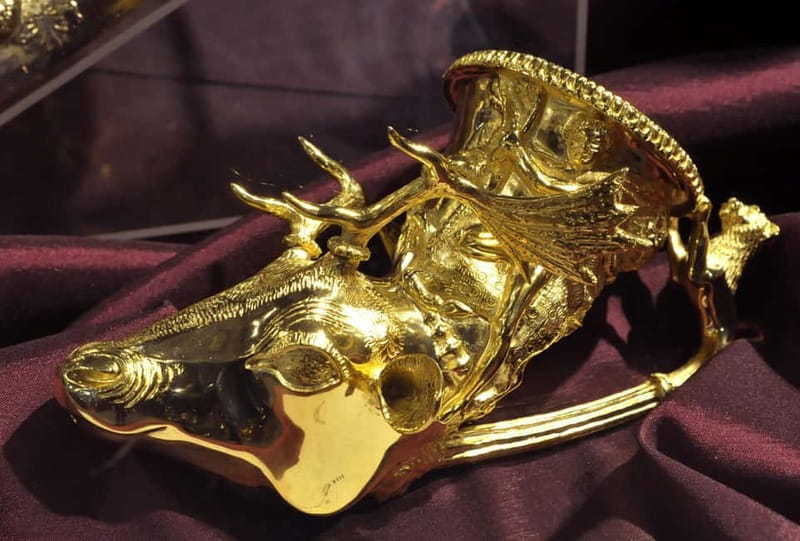
The National History Museum covers more than 13,000 years, from the earliest civilizations in the region through the Ottoman Empire and modern Bulgaria. That is a large span for one visit, so you should expect highlights rather than a detailed look at every period.
The medieval collection is especially important. Weapons, armor, and religious icons show the development of the Bulgarian Middle Ages, including the formation of the Bulgarian Empire and the growth of the Bulgarian Orthodox Church.
I find this stop valuable because it gives national context to the city tour. Sofia’s churches and government buildings make more sense when you understand the wider Bulgarian story. The museum also helps you place local events within the long sequence of civilizations that occupied the region.
The drawback is simple: the museum is large, while the day is not. Your guide will help direct your attention, but you will need to accept that you cannot see everything in depth. If museums are your main reason for visiting Sofia, a separate visit would give you more time.
Boyana Church and its 13th-century frescoes
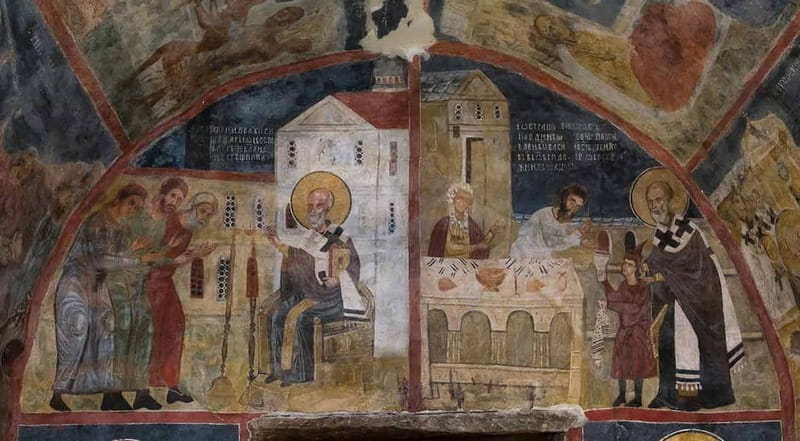
Boyana Church is the artistic high point of the route and the UNESCO-listed site included in the day. The church dates back to the late 10th century, but it is best known for its stunning 13th-century frescoes.
Inside, scenes from the lives of saints appear alongside portraits of Bulgarian nobles and church figures. These paintings are important not simply because they are old, but because they show a high level of expression and detail in medieval Balkan art.
The building itself has three parts, each with its own character. The nave has columns and a ribbed ceiling. The apse is covered by a semi-dome with fresco decoration, while the narthex works as a transition between the secular world outside and the religious space within.
Boyana Church is a more intimate stop than Alexander Nevsky Cathedral. The smaller scale lets you focus on the painted faces and the structure of the building. It is also a reminder that Bulgaria’s cultural importance is not limited to its capital’s largest monuments.
The visit may be brief because it comes after the central walk and the National History Museum. Still, this is one of the stops that justifies taking a guided day trip rather than simply driving into Sofia and ticking off the main square.
Park The Bells and the last look at Communist Bulgaria
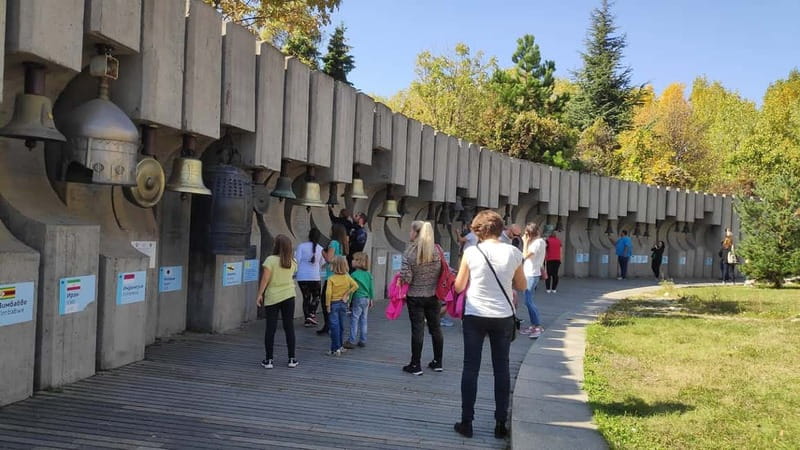
The final stop before returning to Plovdiv is Park The Bells, a monument connected with the 1979 Flag of Peace initiative. It was created by the daughter of Bulgaria’s last Communist leader, and the park brought children from both sides of the Iron Curtain together.
The bells made by those children are displayed around the park. That gives the site a more human angle than a standard political monument. It reflects the Cold War period, but through an international children’s project rather than only through government slogans and monumental buildings.
This is an unusual ending. Many Sofia tours finish with the central cathedral or a shopping street. Park The Bells asks you to think about how Bulgaria presented itself during the Communist era and how international contact was managed during the Cold War.
The stop will appeal most if you enjoy political history, unusual public art, and places that tell a story outside the standard city-center route. If you prefer maximum time at Sofia’s famous churches, you might see this detour as less essential. Its inclusion does, however, make the itinerary more distinctive.
Is $104 a fair price?
At $104 per person, the tour is not the cheapest way to reach Sofia from Plovdiv. The price includes hotel pickup and drop-off, transport in a modern vehicle, an English-speaking professional guide, and entrance fees.
Those inclusions matter. You are paying for the long transfer, route planning, several admission-based stops, and a guide who can connect the different periods. If you tried to arrange the same day independently, you would still need to pay for transport, museum and church entrances, and the time involved in planning a route across central Sofia and the outskirts.
The value is strongest for you if Sofia is not already part of your travel plans and you want to see the major story quickly. It is less compelling if you are staying in Sofia for several days and can visit the same places at a slower pace.
Food and drinks are not included. Plan for that expense, although the tour information does not specify a meal arrangement or restaurant. Since the schedule is full, bring water and make sure your footwear can handle a long walking section.
Who should book this day tour?
I would choose this trip if you are staying in Plovdiv and want a guided introduction to Sofia without arranging a second hotel. It is also a good fit if you like history presented through buildings, museums, religious art, and political monuments rather than through shopping or nightlife.
The tour suits first-time visitors who want a broad picture. You will see enough of Sofia to decide which periods or sites deserve a return visit.
It may not suit you if you dislike long road transfers, need a slow pace, or want to spend most of the day in one museum. The schedule is ambitious, and the central walking tour covers many sights in about three hours.
The small group setup is a real advantage. It can also produce a very personal outing. In one departure, only one person joined, and the trip still went ahead. That means you might not meet fellow participants, but you may get more direct time with the guide.
Final verdict: a strong first look at Sofia
I recommend this tour for anyone based in Plovdiv who wants Sofia’s main historical chapters in one well-planned day. The route reaches beyond the postcard sights, adding the National History Museum, Boyana Church, and Park The Bells to the Roman ruins and central landmarks.
The best reasons to book are the range of the itinerary, the included admissions, hotel transport, and the chance to learn from guides such as Ivo and Theodore. The main caution is the pace. You will see a lot, but you will not linger everywhere.
Book it if you want context, variety, and an efficient introduction. Skip it if you would rather explore Sofia slowly over several days. For a single day from Plovdiv, it offers a thoughtful look at a capital built across many eras.
FAQ
How long does the tour from Plovdiv to Sofia last?
The tour lasts nine hours, including hotel pickup and drop-off in Plovdiv, transportation, the Sofia sightseeing program, and the return journey.
What time does pickup begin?
Pickup starts at 9:00 from your hotel or address in Plovdiv.
Is transportation included?
Yes. Transportation in a modern vehicle, as well as pickup and drop-off in Plovdiv, is included.
What language is the tour conducted in?
The tour is conducted in English with a live English-speaking guide.
How large is the group?
The tour is limited to eight participants, making it a small-group experience.
Which museums and historic sites are included?
The route includes the Sofia History Museum, the National History Museum, Roman ruins, St. Sofia Church, the Rotunda of St. George, Alexander Nevsky Cathedral, Boyana Church, and Park The Bells. It also passes major royal, governmental, university, and Communist-era sites.
Is Boyana Church included?
Yes. Boyana Church is included, along with its medieval architecture and famous frescoes. It is the UNESCO site on the itinerary.
Are food and drinks included?
No. Food and drinks are not included in the price.
Just added around Plovdiv
- Transfer Plovdiv to Sofia airport/city with a car 3+1★ 5.0 · 3 reviews
- Veliko Tarnovo – Arbanassi – Shipka Memorial Church – private tour from Plovdiv★ 4.5 · 6 reviews
- Tour from Plovdiv to Bachkovo,Asen Fortress and Wonderful Bridges★ 5.0 · 4 reviews
- Thracian Valley wine tasting – private day tour from Plovdiv★ 5.0 · 4 reviews
- Plovdiv – Buzludzha and the Thracian kingdom valley★ 5.0 · 3 reviews
- Plovdiv Sightseeing private walking tour★ 5.0 · 5 reviews
- Roman Plovdiv, Self-Guided Tour and Urban Quest Game★ 5.0 · 6 reviews
- Plovdiv Roman Sights Self-Guided★ 4.5 · 3 reviews
Plovdiv Tours, compared.
Bachkovo Monastery, Asen Fortress, & Bridges Tour
Read our review →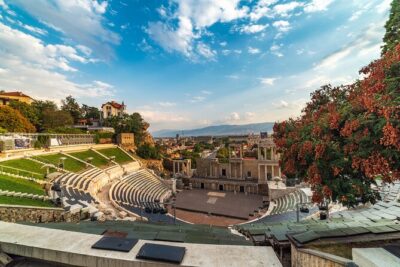
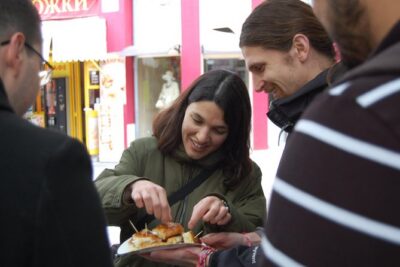
Food Walk: Bulgarian Food and Culture Tour in Plovdiv
Read our review →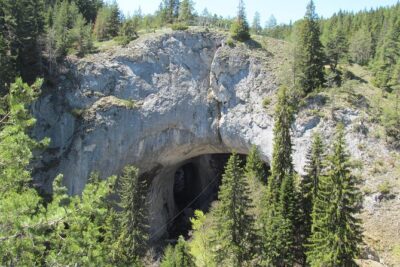
Wonderful Bridges-Bachkovo Monastery-Assen’s Fortress – day tour from Plovdiv
Read our review →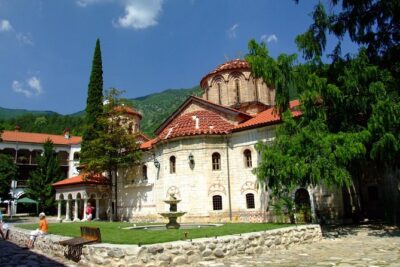
Bachkovo Monastery & Asen’s Fortress – day tour from Plovdiv
Read our review →
Browse the lists this tour appears in