
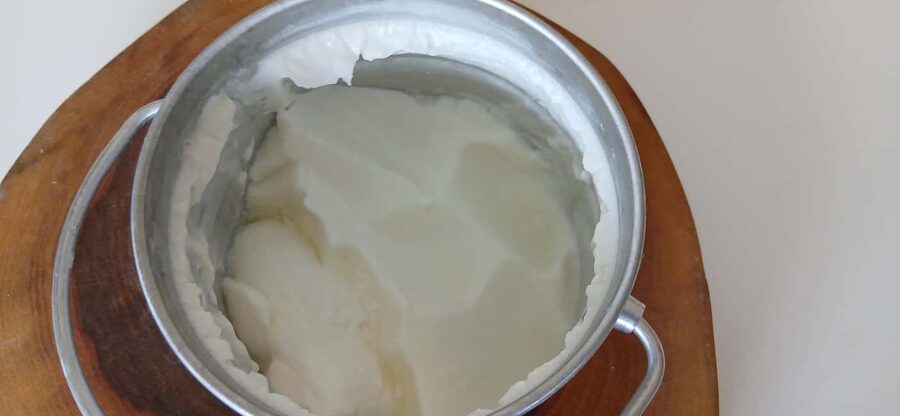
Reviewed · SOFIA TOURS
Sofia: Taste Bulgarian Yogurt Kiselo Mlyako in a Family Home
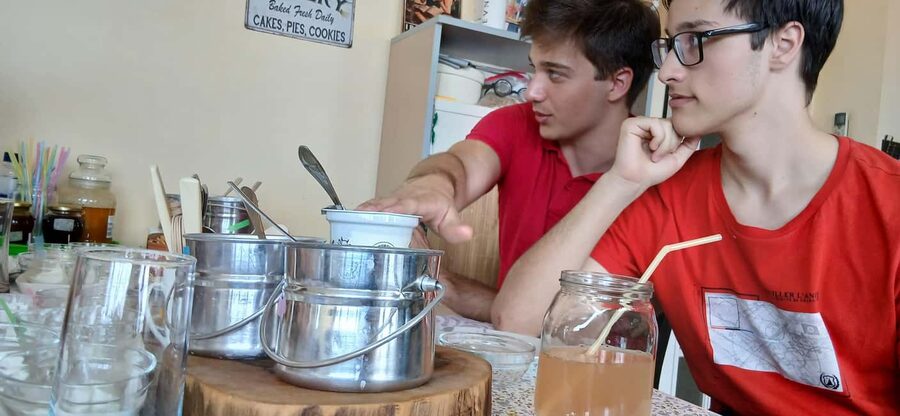
Bulgarian yogurt is not just breakfast in Sofia. It is kiselo mlyako, a sour, cultured food tied to household cooking, local farms, and the country’s famous Lactobacillus bulgaricus. This 90-minute visit takes you from James Bourchier Metro Station to a family apartment, where yogurt is explained, compared, and served at a real home table.
I like the tasting flight of five distinct yogurts, especially the contrast between cow, sheep, buffalo, goat, and homemade village versions. I also like the personal welcome from hosts such as Nadya, Georgi, and Yoan, who bring in family stories, Bulgarian food, and even local history. The main consideration is simple: this is a dairy-focused home visit, so it is not suitable for people with lactose intolerance, gluten intolerance, or food allergies.
Key points at a glance
- Five yogurts in one sitting: Compare cow, sheep, buffalo, goat, and homemade village yogurt.
- A real family apartment: The tasting takes place in a Sofia home rather than a restaurant or formal museum.
- More than plain yogurt: Try honey, walnuts, jam, fresh fruit, pastries, banitsa, and other seasonal foods, depending on the session.
- A useful culture lesson: Learn how Lactobacillus bulgaricus is linked to Bulgarian yogurt and daily food traditions.
- A small, conversational group: The experience is limited to six people and conducted in English.
- An easy metro connection: Meet at James Bourchier Metro Station, three stops from Serdika on the blue line.
From James Bourchier Metro Station to the family table
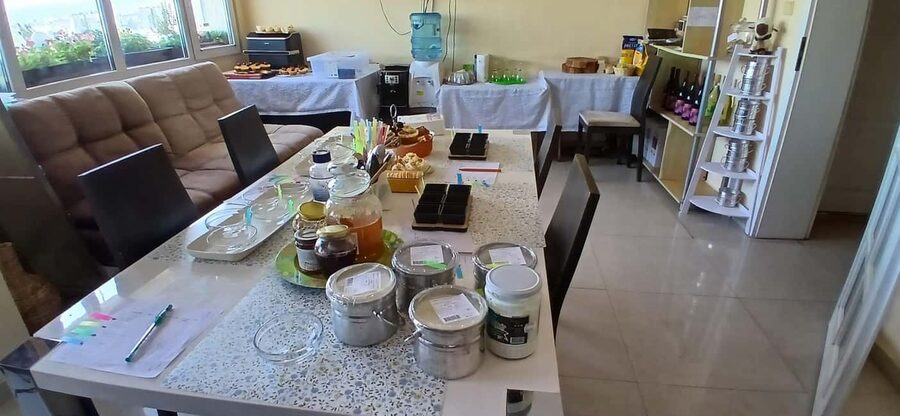
Your meeting point is James Bourchier Metro Station, at the Zlaten Rog Exit 1. It is on Sofia’s blue metro line, three stops from Serdika, making the start fairly easy if you are staying near the central city.
The exact meeting location is Cherni Vrah Boulevard 32 in Lozenets, near the tram stop for lines 10 and 15. Your host waits outside about 10 minutes before the start time, then guides you to the nearby apartment. The short transfer matters because you are not trying to find a private home on your own.
The setting is part of the experience. You are not entering a decorated folklore venue with a staged village kitchen. You are visiting a modern Sofia family home, sometimes described as an eighth-floor apartment with views across the city. That makes the visit feel closer to an invitation to a family table than a standard food demonstration.
The small group limit of six helps here. In a large group, a home tasting can turn into a crowded lecture. With fewer people, you have room to ask about yogurt making, Bulgarian meals, sourdough, family customs, and Sofia life.
Other Sofia days people book alongside this one:
- From Sofia: Rila Monastery & Boyana Church Day Tour
★ 4.7 · 5,107 reviews - From Sofia: Must-See Rila Monastery & Boyana Church Day Tour
★ 4.6 · 3,322 reviews - From Sofia: Guided Day Tour of Plovdiv’s Must-See Sights
★ 4.6 · 1,688 reviews
Why kiselo mlyako matters in Bulgaria
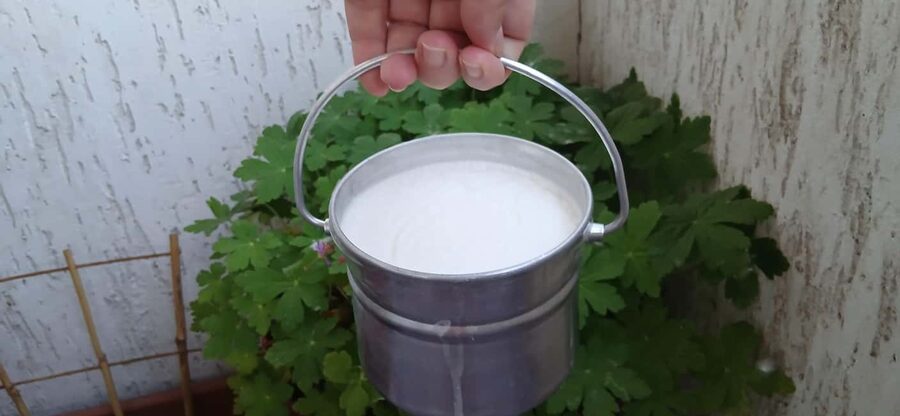
Kiselo mlyako translates simply as sour milk, but the food carries much more weight in Bulgaria. It is served at home, used in soups and sauces, paired with sweet toppings, and treated as a national food with a distinctive taste.
The session explains the part played by Lactobacillus bulgaricus, the bacterium associated with Bulgarian yogurt. You learn why the culture is important, how it contributes to the yogurt’s sour character, and why Bulgarian people take such pride in the product.
I find this context useful because it changes the tasting from a series of dairy samples into a lesson about place. You are not simply asking which yogurt tastes best. You are learning how milk, fermentation, household practice, and local identity meet in one bowl.
The explanation is also practical. You can ask how yogurt is prepared, how different milk types affect flavor and texture, and how homemade yogurt differs from a commercial supermarket version. One sample is specifically included to show that contrast.
Five bowls, four kinds of milk, and one useful comparison
The main part of the visit is a guided tasting of five yogurts. Four come from different animal milks: cow, sheep, buffalo, and goat. The fifth is homemade village yogurt. A supermarket yogurt may also be used as the commercial comparison, depending on how the tasting is presented.
This range gives you a better sense of Bulgarian yogurt than trying one ordinary cup at a café. Cow milk usually provides the most familiar starting point, while sheep, buffalo, and goat milk can bring different levels of richness, aroma, and texture. The point is not to memorize tasting notes. It is to notice how the milk changes the final food.
The homemade village version is especially useful for understanding the gap between factory production and household practice. You might notice differences in thickness, tang, or aroma. The experience is designed to help you compare those qualities rather than accept a broad claim that all Bulgarian yogurt tastes the same.
The order of tasting may vary, but a sensible approach is to start with a milder yogurt and move toward stronger or richer samples. Take small spoonfuls at first. The sourness can be more pronounced than in sweetened yogurt sold in many countries.
This is also a good reason not to arrive expecting dessert. Some of the yogurt is sweetened with honey, jam, or fruit, but the plain samples are there for comparison. The tasting works best if you are willing to try the yogurt as a savory food as well as a sweet one.
Honey, walnuts, jam, and the Bulgarian way to snack

Plain yogurt can taste sharp, so the toppings help you understand how it fits into everyday eating. Expect traditional additions such as forest honey, walnuts, seasonal jam, preserves, and fresh fruit. The exact selection can change, but the idea is consistent: show how a simple dairy product can move between breakfast, snack, dessert, and side dish.
Several sessions have included homemade cakes, muffins, cupcakes, and local sweets. You might also find banitsa, local cheese, tarator, or yogurt paired with cucumber, salt, and dill. These foods are not guaranteed as a fixed menu, so treat them as possible family additions rather than promised courses.
The topping choices also give the host an opening to discuss household recipes. Nadya has shared advice about sourdough making, and the food is prepared with the kind of personal attention you rarely get from a commercial tasting counter. If you cook at home, bring questions. The conversation may extend beyond yogurt into baking and Bulgarian kitchen habits.
I like this part because it keeps the tasting from becoming too technical. You learn about bacteria and fermentation, then immediately taste the food in familiar combinations. Honey highlights the yogurt’s acidity. Walnuts add crunch. Jam turns it into a sweet course. A savory yogurt preparation shows why kiselo mlyako belongs in the wider Bulgarian meal.
Same country, a completely different kind of day:
- From Sofia: 7 Rila Lakes and Rila Monastery Extended Trip
★ 4.7 · 1,189 reviews - Sofia: Communist Walking Tour
★ 4.9 · 1,106 reviews - From Sofia: The Seven Rila Lakes Full-Day Hiking Tour
★ 4.7 · 923 reviews - Rila Monastery and Boyana Church Full-Day Tour
★ 4.5 · 918 reviews
A glass of wine, coffee, or ayran
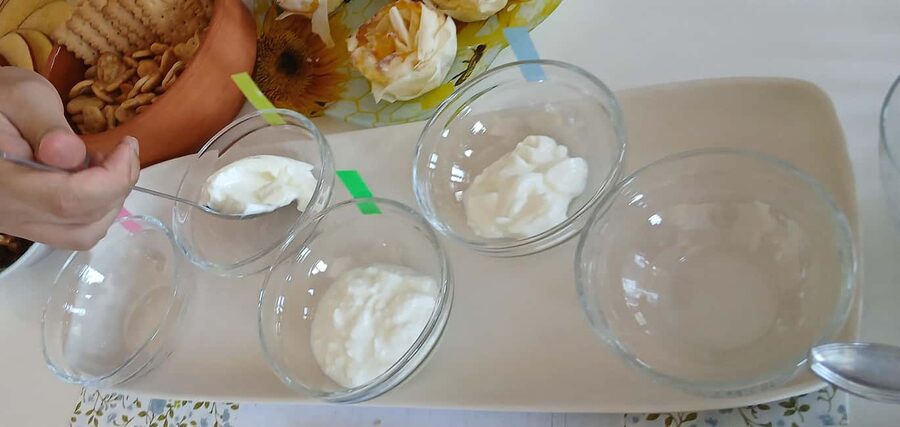
The included drink is either a glass of Bulgarian white wine or ayran, with coffee and fresh water also available. Ayran is a refreshing yogurt drink, usually enjoyed for its cool, salty character, and it gives you another way to taste the same central ingredient.
Wine changes the pace of the visit. A glass of Bulgarian wine works well with savory snacks and cheese, while coffee fits the relaxed, after-meal feel of a home gathering. If you prefer something nonalcoholic, ayran is the most relevant choice because it continues the yogurt lesson in drink form.
Some sessions have included red wine as well, but the stated inclusion is a glass of Bulgarian white wine or ayran. If drink choice matters to you, confirm it when booking rather than assuming the full selection is available.
The people are a major part of the experience
The family hosts are not just servers. Nadya prepares many of the homemade foods and yogurt items, while Georgi and Yoan have guided conversations about Bulgarian history, culture, and daily life. Names and roles can vary by session, but the family format is central.
That personal exchange is what separates this activity from a shop tasting. You can ask questions in English about how yogurt is made, why it matters in Bulgaria, and what a modern Sofia family eats. Some sessions have also included advice about sourdough, discussion of ancient languages, and stories about the country’s past.
The conversation can move in unexpected but welcome directions. One account included a walk to a nearby Japanese Garden after the tasting, with black swans, white peacocks, and ducks. That outing is not listed as a standard part of the 90-minute activity, so do not book this expecting a garden tour. Still, it shows how a private visit can feel more open-ended than a tightly scripted food stop.
The tone is calm and social. If you want a fast tasting with minimal conversation, this may feel slow. If you like asking questions and learning through ordinary family stories, the format is a strong fit.
How the $53 price works as a value
At $53 per person, this costs more than buying several tubs of yogurt at a Sofia supermarket. The value comes from the access, not the dairy alone.
You are paying for a 90-minute hosted session, five yogurt samples, toppings, drinks, homemade foods when offered, and direct conversation in a private home. You also avoid spending time figuring out which local products to buy and how to compare them. The hosts do that work for you and explain what you are tasting.
The price makes the most sense for someone who wants a food experience tied to Bulgarian culture. If you only want a quick snack, it is not the economical choice. If you want a small-group meeting with a local family, a structured comparison, and a chance to ask detailed questions, the cost is reasonable.
The rating is listed as 5 from 52 reviews, and the strongest praise centers on the same features: warm hospitality, generous homemade food, clear explanations, and the unusual chance to enter a family home. I would place more weight on those repeated qualities than on the perfect number itself, since the experience depends partly on how much you enjoy conversation and dairy.
Who should book this Sofia food experience

I would recommend it most strongly to:
- People curious about Bulgarian food beyond shops and restaurants
- Couples, solo visitors, and small groups who enjoy talking with local hosts
- Anyone interested in fermentation, homemade food, or regional milk products
- Visitors with a free afternoon who want a quieter activity away from Sofia’s main sights
- Families with older children who can take part in a seated tasting and conversation
- People who want an English-language introduction to Bulgarian culture
It is less suitable if you prefer a polished restaurant meal, dislike sour flavors, or want a large group activity with a fixed performance. It is also not suitable for people with food allergies, gluten intolerance, or lactose intolerance.
Because the visit is in a home, you should be comfortable entering a private family space. This is not a venue built around tourist infrastructure. Its appeal comes from the ordinary apartment setting, the family table, and the chance to speak directly with the people hosting you.
Timing, group size, and practical planning

The activity lasts 90 minutes, though a warm conversation can make the time feel full. Starting times vary, so check availability for your date.
Plan to arrive at James Bourchier Metro Station before the meeting time. Use Zlaten Rog Exit 1 and look for the host near Cherni Vrah Boulevard 32, close to the tram stop for lines 10 and 15. The metro is the easiest connection from central Sofia, with Serdika only three stops away on the blue line.
The activity is limited to six people and is conducted in English. Bikes are not allowed. Since the meeting leads into a family apartment, keep your arrival simple and follow the host’s directions rather than trying to enter the building independently.
For groups up to 25, a separate yogurt tasting takes place among the ancient Roman walls of Serdica. That option may suit a larger party better, but it will not offer the same private-home setting. Choose this family visit if personal contact matters more to you than accommodating a large group.
Cancellation is free up to 24 hours before the start time, and you can reserve now and pay later. Those policies are useful if your Sofia schedule is still shifting, but the bigger planning issue is the food itself. Do not book before checking the allergy restrictions.
Is this Bulgarian yogurt tasting worth your time?
Book it if you want to understand why yogurt matters in Bulgaria, not just taste a spoonful of it. The five-milk comparison gives the visit a clear purpose, while Nadya, Georgi, Yoan, and the wider family setting add the human side.
I especially recommend it for a first visit to Sofia when you want one activity that combines food, conversation, and local culture. The strongest moments are likely to be the yogurt comparison, homemade toppings, and the easy questions that arise around the family table.
Skip it if you cannot eat dairy, need a fully controlled menu, or would rather spend your afternoon sightseeing outdoors. For everyone else, $53 buys more than yogurt. It buys a place at a Sofia family table and a practical explanation of one of Bulgaria’s most important foods.
FAQ
Where does the Bulgarian yogurt tasting begin?
The meeting point is James Bourchier Metro Station at the Zlaten Rog Exit 1. It is near Cherni Vrah Boulevard 32 in Sofia’s Lozenets district, close to the tram stop for lines 10 and 15.
How far is the meeting point from central Sofia?
James Bourchier is on the blue metro line, three stops from Serdika Metro Station.
How long does the experience last?
The tasting lasts 90 minutes.
How many people can join?
The group is limited to six participants.
What languages are available?
The host or greeter speaks English, and the activity is conducted in English.
Which yogurts will I taste?
You will taste five types of kiselo mlyako made from cow, sheep, buffalo, goat, and homemade village milk.
What toppings and drinks are included?
Traditional seasonal toppings include items such as jam, honey, walnuts, and fresh fruit. Coffee, fresh water, and either a glass of Bulgarian white wine or ayran are included.
Is the activity held in a private home?
Yes. The experience takes place in a Bulgarian family home, where you learn about food culture and traditions.
Is the activity suitable for food allergies or lactose intolerance?
No. It is not suitable for people with food allergies, gluten intolerance, or lactose intolerance.
Just added around Sofia
- Veliko Tarnovo & Arbanasi Full day tour★ 5.0 · 5 reviews
- Sofia Hidden Gems: Small-Group Walking Tour with Tram Ride★ 5.0 · 7 reviews
- Private Winter Day Trip to the Rila Mountain★ 4.5 · 3 reviews
- Catacomb Tour in Sofia guided by a Local★ 4.5 · 3 reviews
- Tour to Koprivshtitsa and the Buzludzha monument incl the Seuthes Thracian Tomb★ 3.5 · 3 reviews
- Private transfer from Sofia to Plovdiv or vice versa★ 5.0 · 8 reviews
- Discover Sofia’s Unique Ancient Heritage – 5 Museums Included★ 5.0 · 3 reviews
- From Sofia: The gorges of Trun and Dragovski stone trail★ 5.0 · 6 reviews
Sofia Tours, compared.
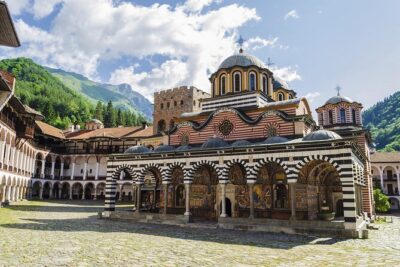
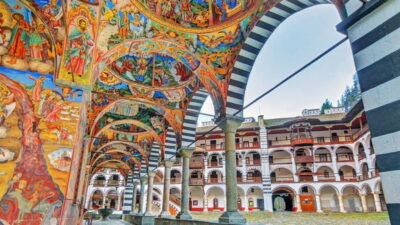
Must-See Rila Monastery & Boyana Church Day Tour
Read our review →

7 Rila Lakes and Rila Monastery Extended Trip
Read our review →
Browse the lists this tour appears in