
Reviewed · BULGARIAN WINE TASTINGS
Sofia: Banitsa Pastry Class with a Local with Bulgarian Wine
The star of this Sofia experience is not a restaurant meal, but the chance to make banitsa, Bulgaria’s beloved cheese-filled pastry, in a real home kitchen. You’ll walk from James Bourchier Metro Station with a local host, hear about neighborhood life, then work with filo pastry, eggs, cheese, and yogurt before sitting down to eat what you made.
I like two things right away: the small group of six or fewer, which leaves room for questions, and the home setting with a balcony view toward Sofia and Mount Vitosha. The warm welcome, Bulgarian music, local cheese, lukanka sausage, and wine turn a cooking lesson into a relaxed cultural visit. The main consideration is timing: the experience is listed as 90 minutes in one place, but the full session can last about 2 to 2.5 hours, so leave room in your schedule.
Key details before you book
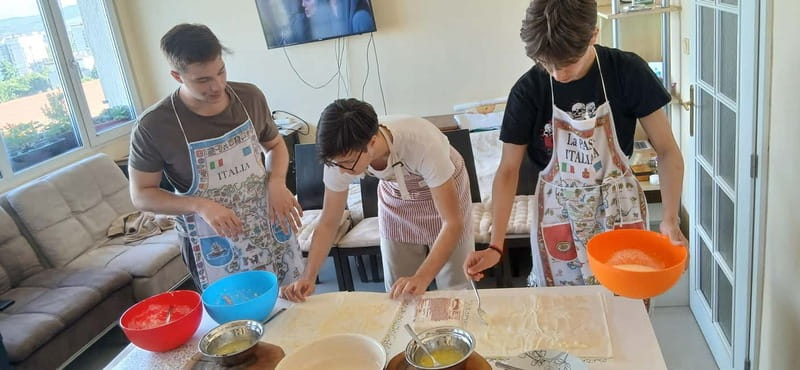
- You make banitsa from scratch: Learn the basic method for assembling filo pastry with eggs, cheese, and yogurt, then eat it hot or take it with you.
- The meeting point is easy to reach: Find the host under the metro station canopy at street level, near the Zlaten Rog exit of James Bourchier station.
- The setting is a private home: This is home cooking and conversation, not a formal culinary school or polished restaurant kitchen.
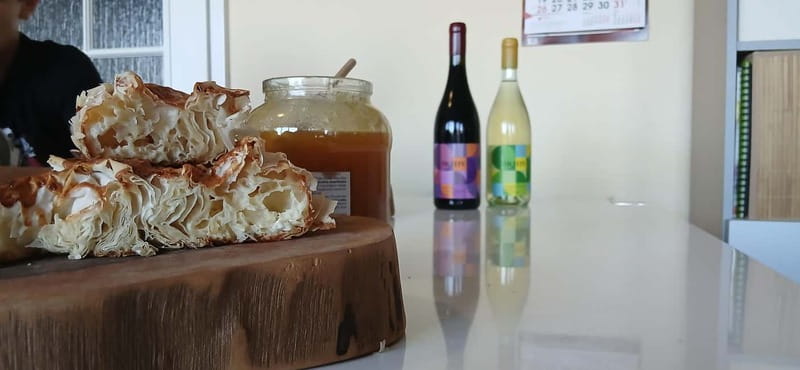
- The food goes beyond pastry: You’ll taste local cheeses and cured lukanka sausage while the banitsa bakes.
- Mount Vitosha is part of the setting: The top-floor apartment has a balcony with views across Sofia toward the mountain.
- The format is friendly and intimate: English instruction and a maximum of six participants make this a good choice for questions and conversation.
Starting at James Bourchier Metro Station
The experience begins at James Bourchier Metro Station, at the Zlaten Rog Exit 1. This station is on Sofia’s blue metro line, three stops from Serdika, so it is a practical meeting point if you are staying in the central part of town.
You’ll meet the host at street level under the station canopy. Look for a young person wearing a red T-shirt and carrying a blue shopping bag. That detail matters in a busy city, particularly if you arrive a few minutes early and are trying to decide which exit leads to the right spot.
Transportation to the meeting point is not included, but the metro makes the approach fairly simple. Allow a little extra time to find the correct exit. Sofia metro stations can have several entrances, and the instructions specifically point you to the Zlaten Rog side.
From the station, you’ll take a short walk to the host’s nearby home. This is a useful part of the experience, not just a transfer. Along the way, the host shares stories about Sofia’s neighborhoods and daily life. You won’t get a formal city tour, but you will have a chance to place the apartment, the neighborhood, and Bulgarian food in a local setting.
More Bulgarian Food Tastings in Sofia
- Sofia Afternoon Walking Tour with Wine and Food Tasting
★ 4.5 · 43 reviews - Rakia Museum Entrance Ticket
★ 5.0 · 27 reviews - Market Food Tour
★ 4.5 · 21 reviews
A walk through everyday Sofia
The short walk helps set the tone. You are not being led to a cooking studio designed for large groups. You are going to someone’s home, and the host uses the route to explain something about how people live in the city.
That distinction is important. If you want a polished cooking demonstration with a professional chef, printed recipes, and restaurant-style presentation, this may feel informal. If you want a personal introduction to Bulgarian home food, the walk and conversation are part of the value.
The host speaks English, and the group is limited to six people. That size should make it easier to ask about ingredients, Sofia, Bulgarian customs, or the pastry itself. It also keeps the kitchen from feeling crowded, although the exact layout and seating in a private home can naturally be less structured than in a cooking school.
Entering a top-floor home with Mount Vitosha views
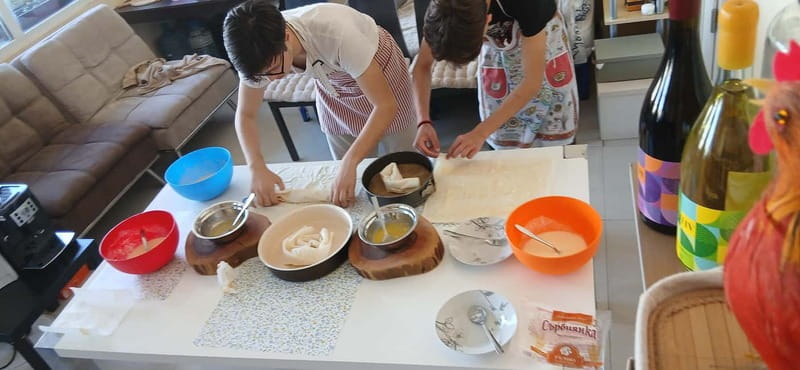
The class takes place in a cozy, top-floor apartment with views over Sofia and Mount Vitosha. The balcony is one of the setting’s best features. While the pastry bakes, you can relax outside, enjoy the city view, and talk with the host.
The balcony also gives the session a pause between the hands-on work and the food tasting. You are not expected to stand over a workbench for the entire visit. The experience has a social rhythm: walk, cook, wait, taste, and talk.
The home setting brings a degree of authenticity that a restaurant cannot easily copy. You see Bulgarian food presented as something made in an ordinary kitchen for family and friends. At the same time, keep your expectations sensible. This is a personal home-hosted activity, not a professional teaching facility. The emphasis is on connection and traditional food, not on technical kitchen equipment or formal instruction.
Making banitsa with filo, eggs, cheese, and yogurt
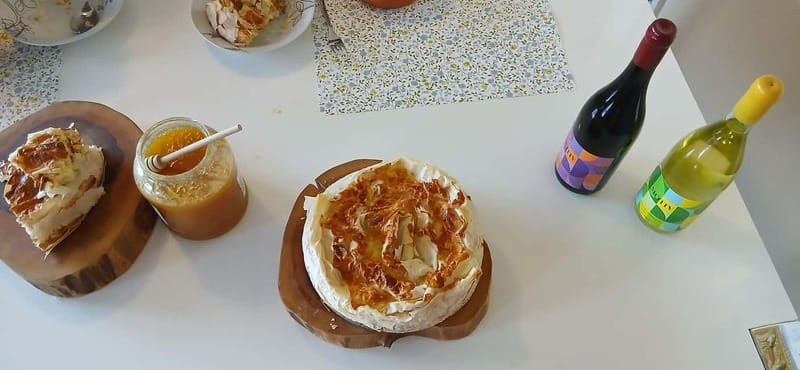
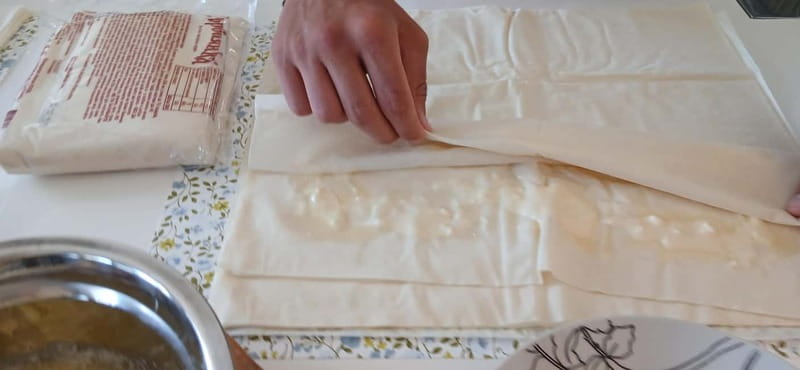
Banitsa is a traditional Bulgarian pastry made with thin filo sheets and a savory filling. Here, the filling includes eggs, cheese, and yogurt. You’ll prepare the dish from scratch with the ingredients and tools provided.
The lesson is suitable for people with no previous cooking experience. That makes it a good addition to a first visit to Bulgaria, especially if you want to learn one dish that connects directly to local home cooking.
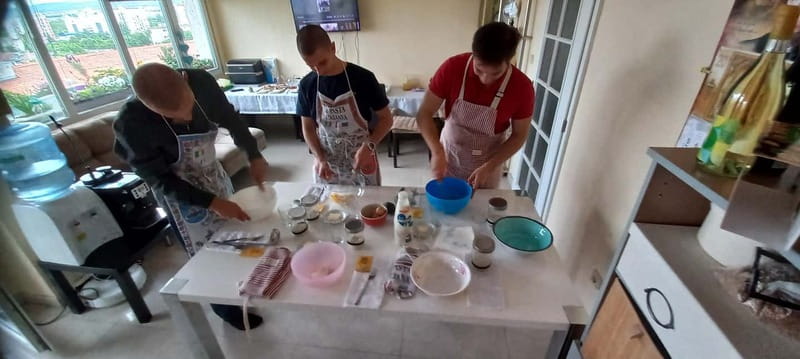
Filo pastry can be delicate, so the hands-on format is useful. You do not simply watch a host assemble the dish and then receive a finished portion. You take part in the preparation and see how the filling and pastry come together before the tray goes into the oven.
The precise teaching style may depend on the host and the small group that day. Do not expect a standardized culinary certificate or advanced pastry training. The practical gain is simpler and more useful: you leave knowing the ingredients, the general preparation, and the feel of a Bulgarian home recipe.
The class also gives you a chance to ask questions that a recipe alone cannot answer. You can ask about how banitsa fits into Bulgarian meals, how it is served, and what makes the dish familiar in homes across the country. The host uses the food as a starting point for wider cultural conversation.
More Bulgarian Wine Tastings in Sofia
- Wine Tasting in Heart of Sofia
★ 5.0 · 545 reviews - Wine and Tapas Boutique Bulgarian Wine Tasting
★ 5.0 · 25 reviews - Plovdiv and Thracia Valley with Wine Tasting
★ 4.5 · 15 reviews - Bulgarian Wine and Cheese Tasting
★ 4.0 · 10 reviews
Wine, cheese, and lukanka while the pastry bakes
Once the banitsa is in the oven, the pace slows. You’ll be served local cheeses and cured lukanka sausage, along with Bulgarian wine. The tasting gives you something to eat while you wait and adds a second layer to the food lesson.
Lukanka is a cured Bulgarian sausage, often associated with the country’s traditional preserved meats. Here, it comes as part of a simple local platter rather than a separate tasting course. The cheeses and sausage help you compare familiar European ingredients with Bulgarian flavors.
The wine is described as boutique Bulgarian wine. The included information refers both to a glass of wine and to unlimited pours, so you should confirm the exact serving arrangement when booking if that detail matters to you. In either case, wine is part of the social experience, not the main attraction.
This is also the point where the home visit can feel most personal. You can sit on the balcony, ask questions, and listen to Bulgarian music in the background. The welcoming atmosphere was a major strength in the feedback, with the host’s friendly manner making the apartment feel comfortable rather than formal.
If you do not drink alcohol, the available details do not specify a substitute. You should ask the provider before booking if that is important to you. The activity is designed around wine, cheese, and sausage, so it is worth checking any dietary or drink-related concerns in advance.
Eating your banitsa hot or taking it home
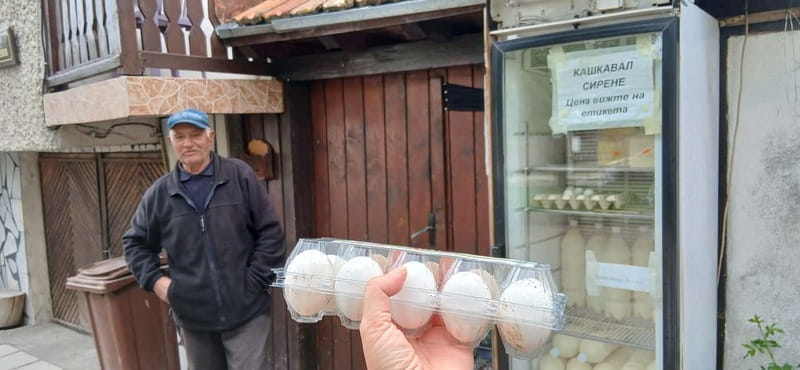
When the pastry comes out of the oven, you have two choices. Eat it warm on the spot, or take your freshly baked banitsa home.
Eating it immediately gives you the full payoff of the class. You have prepared the pastry, watched it bake, and can taste it while it is fresh. Taking it with you may be more practical if you have a later meal planned or want to share it with someone staying in Sofia.
The take-home option also makes the class more than a short tasting. You carry away something you made yourself, along with the memory of how it was prepared. Since the activity does not promise special packaging or long-term transport, you may want to enjoy it soon after the class.
The ending is intentionally simple. You leave with food, a new basic skill, and a clearer sense of how Bulgarian hospitality works in a private setting. One strong feature of the session is that culture comes through ordinary details: what people bake, what they serve alongside it, and how they make room for conversation.
What the price means at $58 per person
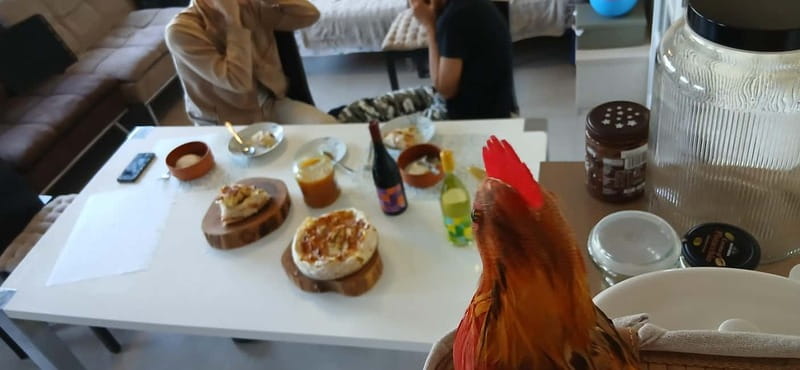
At $58 per person, this is not the cheapest way to eat banitsa in Sofia. You could order pastry and a drink for much less at a bakery or café. The price makes more sense if you value the lesson, the small group, the home visit, the local food platter, the wine, and the view as one combined experience.
You are paying for access to a private setting and for the host’s time. The short neighborhood walk and conversation add value that a self-guided bakery stop does not provide. You also get to handle the ingredients and leave with a pastry you helped make.
The value is strongest for people who normally choose food tours, cooking classes, or small cultural activities over standard sightseeing. It is weaker for someone who only wants a quick snack, a strict recipe lesson, or a professional kitchen environment.
The session length needs a careful look. The headline duration is 90 minutes, but the practical information also describes the activity as approximately 2 to 2.5 hours. Since the walk, preparation, baking, tasting, and conversation all take time, I would plan for the longer window and confirm the expected duration before making a tight dinner reservation.
Who will enjoy this home-hosted class
I would recommend this experience to you if you:
- Like learning through food rather than only hearing a guide talk
- Want to meet a local person in a relaxed home setting
- Are curious about Bulgarian traditions and everyday life
- Enjoy small groups and informal conversation
- Have no cooking experience but want to make something yourself
- Appreciate views, wine, and a slow social meal
It can also suit couples, solo visitors, and small family groups, provided everyone is comfortable in a private home. Party groups are not allowed, and that rule fits the nature of the activity. This is a calm food visit, not a drinking event.
You should think twice if you have gluten intolerance or lactose intolerance. Filo pastry contains gluten, and the banitsa includes dairy ingredients. The cheese platter also makes dairy a central part of the food served. The available information does not describe alternative recipes.
What the strong feedback tells me
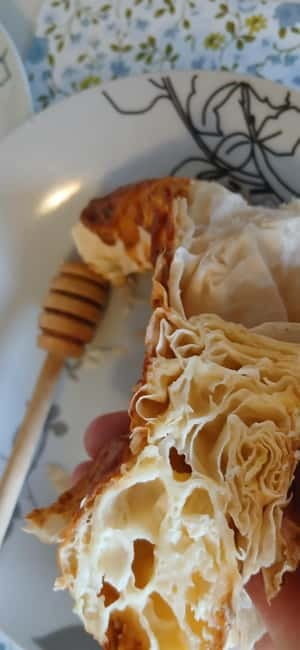
The highest praise focuses on the host’s warmth and the sense of feeling at home. One account specifically highlights the friendly atmosphere, Bulgarian music, and the cultural information shared along with the cooking lesson.
That combination is worth noting. The class is not successful only because the pastry tastes good. Its appeal depends on the host making the kitchen feel welcoming and giving the food a place in Bulgarian culture.
The experience has received a top rating from the available feedback, though the number of published ratings is small. I would treat that as encouraging rather than conclusive. The details are consistent: the welcoming host, the warm atmosphere, and the chance to learn about Bulgaria through banitsa are the central strengths.
Practical tips for a smooth visit
Arrive with enough time to find Zlaten Rog Exit 1. Once you are at street level, look for the red T-shirt and blue shopping bag under the canopy.
Wear something comfortable for a hands-on kitchen session. The activity supplies the traditional ingredients and tools, so you do not need cooking equipment or prior experience.
Keep your schedule open beyond the advertised 90 minutes. The full visit may take about 2 to 2.5 hours, particularly when the walk, baking time, tasting, and conversation are included.
Ask about the wine serving details if you want to know exactly what is included. The information describes both one glass and unlimited pours, so the wording is not perfectly consistent.
Plan your food intake accordingly. The banitsa is followed by local cheese and lukanka, and you may leave with more pastry if you choose the take-home option.
Cancellation is free up to 24 hours before the activity for a full refund, and you can reserve now and pay later. Those terms help if your Sofia schedule is still changing.
Should you book the banitsa class?
Book it if you want a friendly, food-centered look at Sofia that goes beyond ordering a dish in a café. The best reasons are the private-home setting, the small group, the Mount Vitosha balcony view, and the chance to make and eat a Bulgarian classic with a local host.
Skip it if you need a formal culinary school, have gluten or lactose restrictions, or only want a fast and inexpensive meal. Also allow extra time because the listed duration is inconsistent.
For most food-curious visitors, the $58 price is reasonable when you count the instruction, food platter, wine, walk, conversation, and take-home pastry together. You will not just taste banitsa. You’ll understand a little more about why it belongs in Bulgarian home cooking.
FAQ
Where does the banitsa class meet?
The meeting point is James Bourchier Metro Station at the Zlaten Rog Exit 1. Meet the host at street level under the station canopy.
How do I recognize the host?
The host will be wearing a red T-shirt and carrying a blue shopping bag.
How do I reach James Bourchier Metro Station?
The station is on Sofia’s blue metro line, three stops from Serdika Metro Station.
Is the class held in a restaurant?
No. The activity takes place in a private, top-floor home near the metro station.
What food is included?
You’ll make banitsa with filo pastry, eggs, cheese, and yogurt. The experience also includes local cheeses, cured lukanka sausage, and Bulgarian wine.
Do I need cooking experience?
No. The class is designed for people without prior cooking experience, and all traditional ingredients and tools are provided.
Is the activity suitable for gluten or lactose intolerance?
No. The experience is not suitable for people with gluten intolerance or lactose intolerance.
How many people can join?
The group is limited to six participants, making it a small-group activity.
What language is the class in?
The instruction is in English.
Can I cancel the booking?
You can cancel up to 24 hours in advance for a full refund. Reserve now and pay later is also available.
More Workshops in Sofia
- Bulgarian Food tasting, cullinary-historical tour, Cooking class
★ 4.5 · 15 reviews - Transfer from the Sofia Airport to your hotel in Sofia by VIP Mercedes V class
★ 4.0 · 5 reviews - Private Ski Lesson in Bulgaria
★ 5.0 · 92 reviews - Bulgaria:Borovets,Private Ski and Snowboard lessons
★ 5.0 · 14 reviews
More Wine Tours in Sofia
- Sofia: Wine & Cheese Tasting Experience
★ 4.9 · 674 reviews - Sofia: Guided Tasting of Local Wines and Cheeses
★ 4.6 · 181 reviews - Sofia Wine Walk
★ 5.0 · 18 reviews - Bulgarian Prime Cuts and Wine Tour
★ 4.5 · 9 reviews
Just added around Sofia
- Veliko Tarnovo & Arbanasi Full day tour★ 5.0 · 5 reviews
- Sofia Hidden Gems: Small-Group Walking Tour with Tram Ride★ 5.0 · 7 reviews
- Private Winter Day Trip to the Rila Mountain★ 4.5 · 3 reviews
- Private transfer from Sofia to Plovdiv or vice versa★ 5.0 · 8 reviews
- Catacomb Tour in Sofia guided by a Local★ 4.5 · 3 reviews
- Tour to Koprivshtitsa and the Buzludzha monument incl the Seuthes Thracian Tomb★ 3.5 · 3 reviews
- Discover Sofia’s Unique Ancient Heritage – 5 Museums Included★ 5.0 · 3 reviews
- From Sofia: The gorges of Trun and Dragovski stone trail★ 5.0 · 6 reviews
Bulgarian Wine Tastings, compared.

Special History And Wine Tour including Wine Tasting
Read our review →

Private Wine Tasting in the UNESCO town of Nessebar
Read our review →
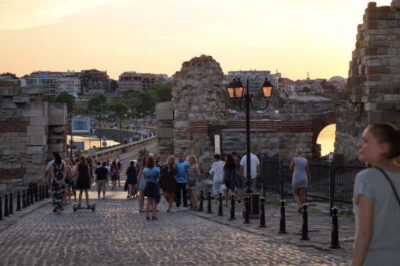
Guided Walking Tour of Nessebar Old & Wine tasting
Read our review →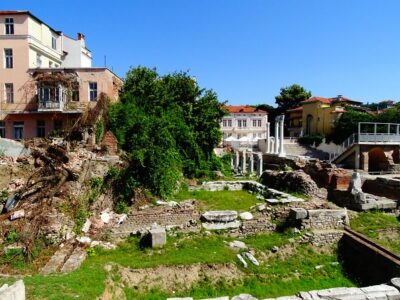
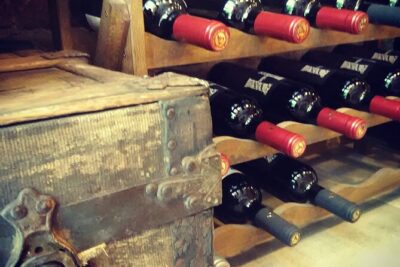
Browse the lists this tour appears in