
Reviewed · WALKING TOURS
Sofia: Communist Walking Tour
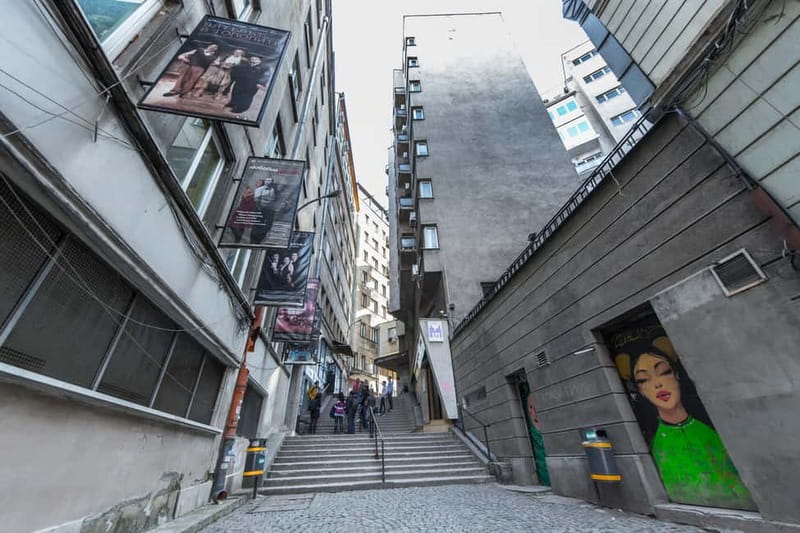
Sofia’s Communist Walking Tour turns the city into an open-air history lesson, but it is not just a parade of concrete buildings. You’ll hear how Bulgaria moved into communist rule after World War II, what daily life looked like, and why the system eventually collapsed in 1989. The personal stories make the politics easier to grasp.
I especially like the balanced treatment of communism, with its gains and costs placed side by side. I also like the route’s broad range, from Stalinist architecture and secret police history to housing, religion, industry, and modern Bulgaria. The main drawback is the three-hour walk: it is not suitable for wheelchair users or people with limited mobility, and winter darkness or summer heat can affect what you see.
Key points to know before you go
- Communist Bulgaria from 1944 to 1989: Learn what led to the period, how the state worked, and why it ended.
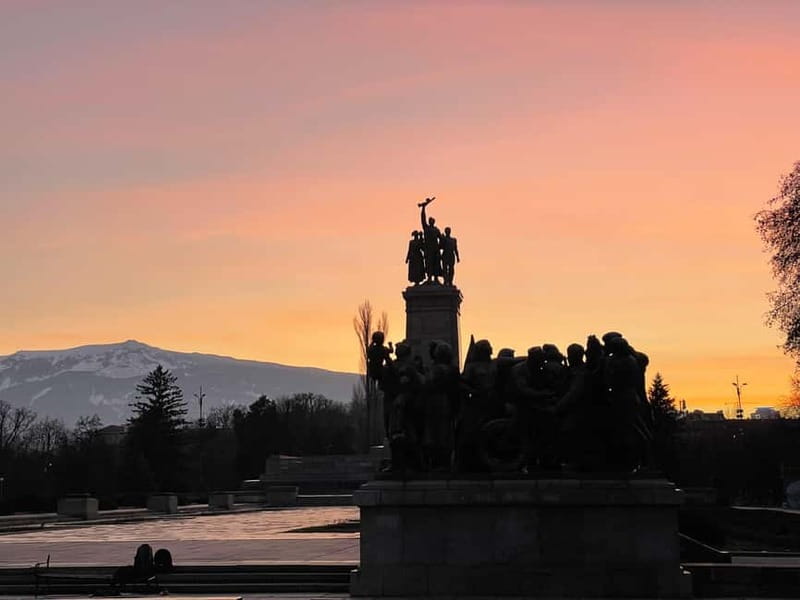
- Landmarks with political weight: See the former Communist Party headquarters, a secret police investigation facility, the site of a destroyed mausoleum, and the Monument of the Soviet Army.
- Daily life, not just dates: Hear about housing, religion, work, culture, shortages, and ordinary family life during the Cold War.
- A useful three-hour route: Start outside the Palace of Justice and finish near the National Palace of Culture and a section of the Berlin Wall.
- Strong English-speaking guides: Daniel, Vasil, Martin, Dino, Stefan, Niki, and others have led this experience, with special praise for clear explanations and lively storytelling.
- Bring the right expectations: You walk outdoors for the full tour, with no hotel transfer, food, or drinks included.
Why Sofia’s communist past is worth seeing
Sofia can feel like a city of Roman ruins, Orthodox churches, grand boulevards, and modern cafés. Yet the decades from 1944 to 1989 shaped its streets, institutions, buildings, and public memory. Much of that period is no longer obvious at first glance. The tour helps you spot what remains.
The guide sets the political scene before focusing on monuments. You learn about World War II and the events that brought Bulgaria into the Soviet sphere, then follow the growth of communist rule and its effect on national life. This matters because Bulgarian communism was not an isolated local experiment. It was tied to the wider Cold War, but the experience here had its own political figures, policies, and social habits.
I like that the tour does not reduce the era to a simple good-versus-bad story. You hear about state control, censorship, surveillance, and limits on personal freedom, but also about the way the system organized industry, employment, housing, and public services. That approach gives you a better way to understand why some Bulgarians remember parts of the period with nostalgia while others remember fear, restriction, or lost opportunity.
The guides also connect the past to present-day Bulgaria. That link is important. Sofia’s communist years are not sealed away in a museum. They continue to affect public arguments, city monuments, political identity, and the way older generations describe their lives.
A few more Sofia trips to weigh up
- Sofia: City Monuments Guided Walking Tour with Audio Guide
★ 4.5 · 825 reviews - Communist Walking Tour of Sofia
★ 5.0 · 690 reviews - Sofia Highlights 2 Hour Sightseeing Walking Tour
★ 5.0 · 442 reviews
Starting at the Palace of Justice
Meet outside the Palace of Justice on Vitosha Boulevard, at number 2. Look for the large white building with two lion statues in front. It is a central meeting point, but arrive with enough time to find the correct side of the building and your guide.
The Palace of Justice gives the tour a fitting starting point. The building represents law and state authority, useful themes for a tour about a system in which the government had a strong role in nearly every part of life. From here, the walk moves through central Sofia rather than requiring transport between scattered sites.
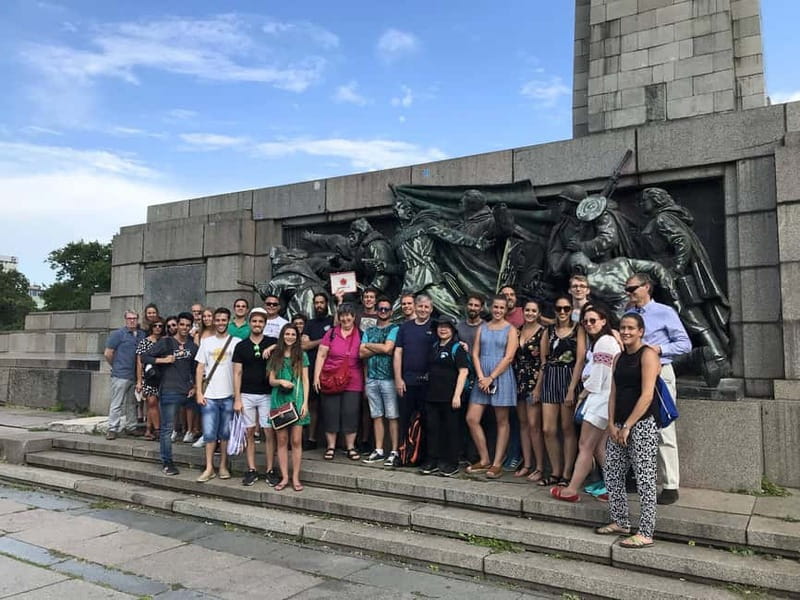
This is an English-language tour with a live guide. The guide may be Daniel, Vasil, Martin, Dino, Stefan, Niki, or another member of the team. Names change by departure, but the strongest pattern is clear: expect a guide who explains the subject in plain English, welcomes questions, and uses stories to keep the walk moving.
Hotel Rila and the look of communist Sofia
The Hotel Rila Sofia is one of the route’s clearest architecture stops. It shows how the communist state used large public buildings to project order, modernity, and confidence. Even if you are not an architecture specialist, you can read the building as part of a wider visual language: scale, symmetry, and a sense that the individual is small beside the institution.
This stop also helps you understand why a walking route works better than a classroom talk. You are not just hearing about construction and state planning. You are looking at the physical result while the guide explains what buildings like this meant in their time.
Sofia’s Stalinist architectural ensemble from the 1950s adds another layer. The style reflects the close connection between Bulgaria and the Soviet Union, especially during the early postwar decades. Your guide explains how architecture could serve politics, presenting the state as powerful, orderly, and permanent.
The drawback is that communist-era architecture may not impress you in the same way as Sofia’s medieval churches or ornate civic buildings. The value is in the explanation. Without context, some structures may look like ordinary offices or hotels. With a guide, their purpose and symbolism become easier to see.
St. Nicholas and the place of religion
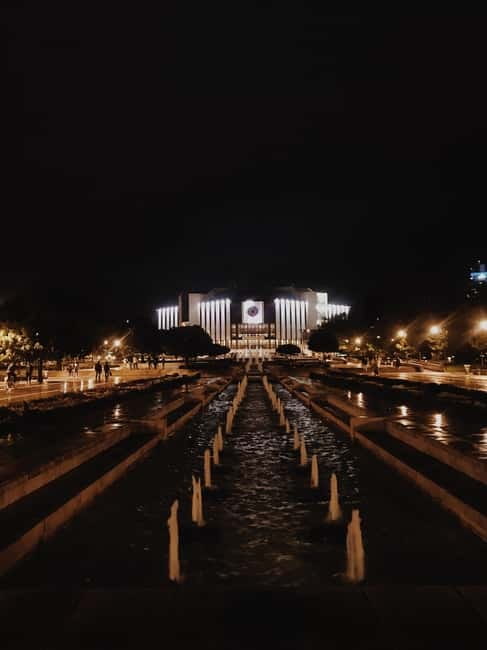
The medieval Orthodox temple of St. Nicholas the Wonderworker, dating from the 13th century, provides a useful contrast to the communist period. Bulgaria’s religious traditions reached back many centuries, while the communist state promoted an officially secular ideology and placed restrictions on religious institutions.
This stop lets you compare old Sofia with the government’s newer vision of society. The church is not simply a scenic pause. It helps frame the conflict between long-standing faith and a political system that wanted public life organized around socialist principles.
Religion is one of the tour’s stated themes, along with industry, the economy, housing, and culture. That wider scope is a strength. You are not left with the idea that communism only changed government offices and monuments. The tour shows how it touched family life, belief, work, entertainment, and the use of urban space.
Same country, a completely different kind of day:
- From Sofia: Rila Monastery & Boyana Church Day Tour
★ 4.7 · 5,107 reviews - From Sofia: Must-See Rila Monastery & Boyana Church Day Tour
★ 4.6 · 3,322 reviews - From Sofia: Guided Day Tour of Plovdiv’s Must-See Sights
★ 4.6 · 1,688 reviews - From Sofia: 7 Rila Lakes and Rila Monastery Extended Trip
★ 4.7 · 1,189 reviews
National Assembly and the machinery of the state
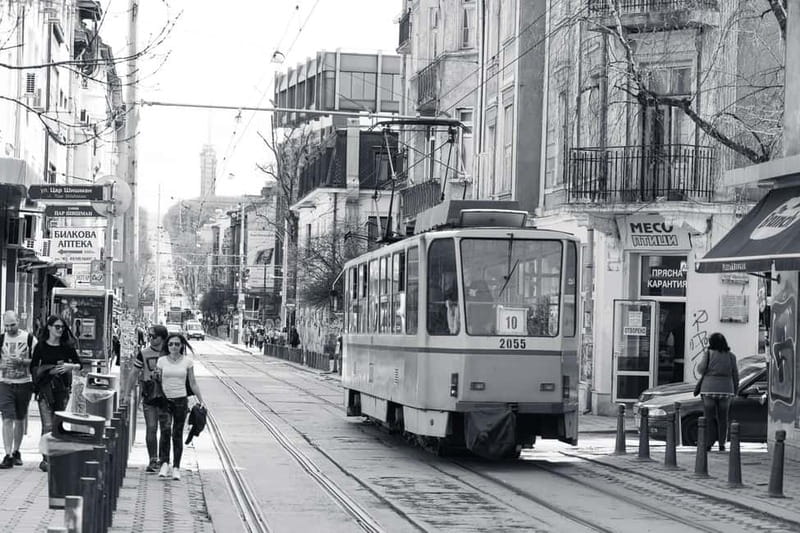
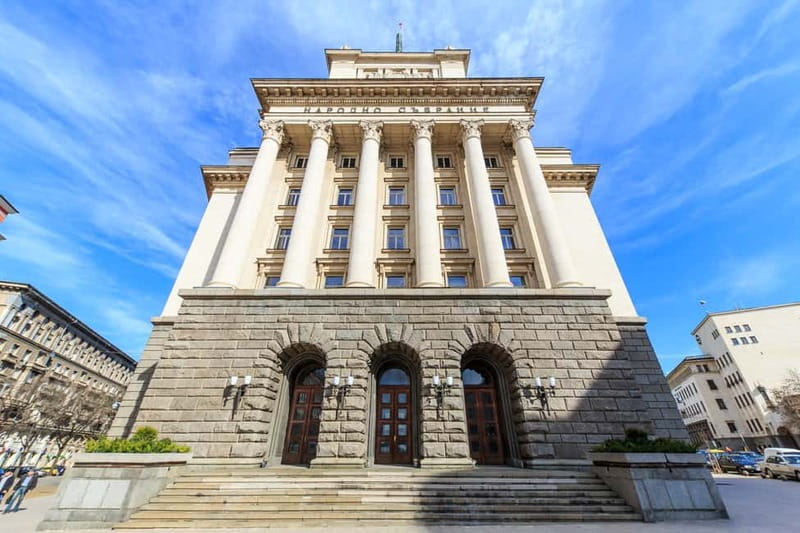
At the National Assembly of Bulgaria, the guide continues the discussion of political power. Here you can consider the difference between a national parliament as a symbol and the way political authority actually operated during communist rule.
This part of the tour is especially useful if you know little about Bulgarian politics. The guide places the period in sequence, explaining what came before it, how communist authority was established, and how the system fell. You are also encouraged to ask questions, so this is a good moment to clarify terms or compare Bulgaria with other former communist countries.
Do not expect access inside every building. This is a walking and outdoor sightseeing experience, so the importance comes from the view, location, and explanation rather than indoor exhibits.
Malko Tarnovo Street and the hidden side of the period
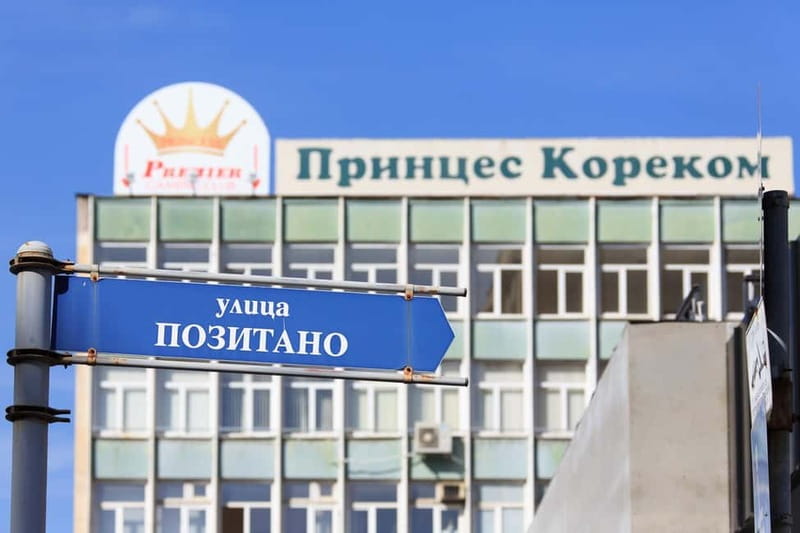
The stop on Malko Tarnovo Street leads into the less visible side of communist Sofia. The route includes a former secret police investigation facility, a reminder that surveillance and political control were part of everyday state power.
This is where personal accounts matter most. A list of institutions can feel remote, but stories about how people behaved, spoke, worked, or trusted others make the subject human. Guides explain what ordinary life could mean under a system where government authority reached far beyond elections and public speeches.
The tour also addresses the pros and cons of the period rather than treating every Bulgarian as having the same experience. A factory worker, an official, a student, and someone targeted by the state could have remembered the same decades very differently. That nuance is one of the tour’s best features.
Archives, City Garden, and the official story
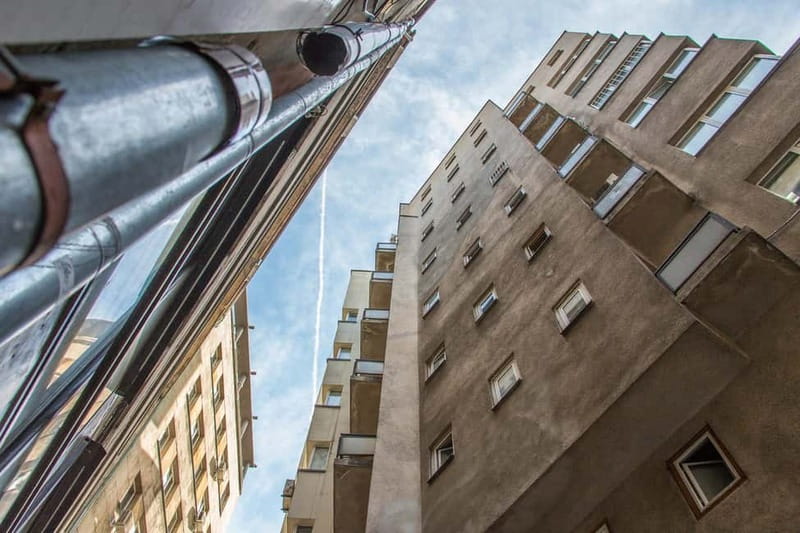
The State Agency Archives and City Garden offer a chance to think about records, memory, and public storytelling. Archives preserve the official paper trail, while public parks and central streets show how national narratives are displayed in daily life.
The guide uses these places to explain the gap between public messages and private experience. Communist governments relied heavily on education, posters, ceremonies, speeches, and controlled media. Culture was not separate from politics. Books, films, music, and public art could reinforce the state’s message, even as people found private ways to interpret or avoid it.
City Garden also gives the group a more open place to stop and listen. Still, you should expect to remain on foot and outdoors. Wear comfortable shoes, and do not plan this as a relaxed café stroll.
Knyazheska Garden and contested monuments
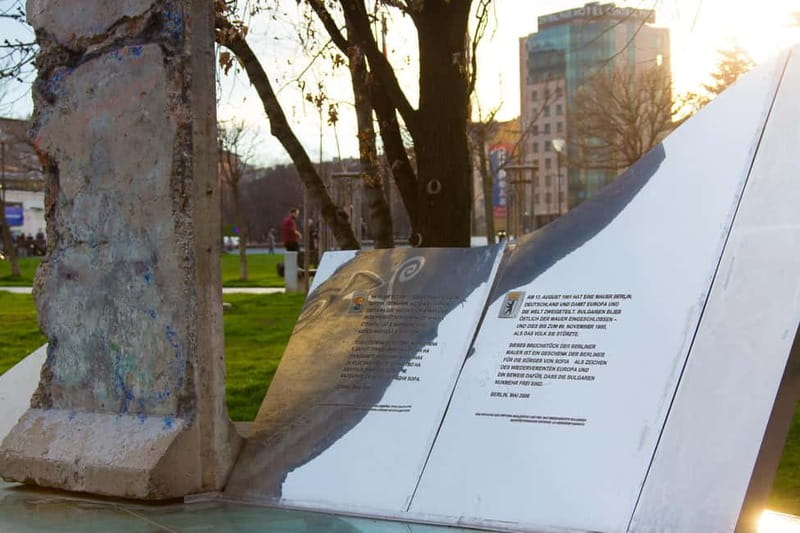
Knyazheska Garden brings the tour to one of Sofia’s most politically debated sites, the Monument of the Soviet Army. Its presence raises direct questions about Bulgaria’s relationship with the Soviet Union and the difficult process of deciding what to preserve, move, or remove.
The monument is valuable to see because it is not only a piece of sculpture. It represents competing memories. Some people see it as a symbol of liberation from Nazi influence and the wartime alliance. Others see it as a marker of Soviet domination and the loss of Bulgarian independence in political affairs. The guide explains those competing views rather than asking you to accept one official answer.
You also visit the Memorial to the Victims of the communist regime in Bulgaria. This changes the tone of the walk. The earlier monuments show how the state presented itself; the memorial focuses on people who suffered under that system. Taken together, the two sites show why memory remains difficult and why public monuments can become political arguments.
The destroyed mausoleum and the end of an era
The site of the destroyed mausoleum of Bulgaria’s first communist leader gives you a direct look at how political symbols can disappear. The mausoleum once occupied an important place in the capital’s ceremonial center. Its destruction after the fall of communism marked a break with the old order, though removing a building did not remove the memories or arguments connected to it.
This is a strong stop for understanding 1989 and its aftermath. Political change did not instantly settle what Bulgarians should think about the previous decades. The guide connects the physical absence of the mausoleum with the wider debate over monuments, responsibility, nostalgia, and national identity.
The site may feel anticlimactic if you expect a grand ruin. There is no intact mausoleum to enter. Its importance comes from what happened there and what its disappearance says about the effort to reshape Sofia after communism.
National Palace of Culture and the final walk
The route finishes at the National Palace of Culture, one of Sofia’s major communist-era buildings. Its size and design reflect a state that wanted to display cultural confidence and organizational power. It also brings together several themes from the tour: architecture, culture, public events, and the role of the government in shaping national life.
The walk concludes near the National Palace of Culture, with the final point described as a section of the Berlin Wall. That is a fitting endpoint. The Berlin Wall became the best-known symbol of the Cold War’s division, while its remaining section in Sofia helps connect Bulgarian history to the larger European story.
By the end, you have seen official buildings, religious space, gardens, memorials, and contested monuments. The route does not present communist Sofia as a single style or a single memory. Instead, it shows how the period left behind buildings, absences, arguments, and personal stories.
What the three hours feel like
Three hours is long enough to cover serious ground but short enough to fit into a Sofia visit. The tour is structured around stops, with explanations and walking time between them. One participant found that the time passed quickly, which reflects the guides’ use of questions, anecdotes, and conversation rather than nonstop dates.
You need moderate physical fitness. The tour is not wheelchair accessible and is not recommended for people with mobility impairments. Children must stay with an adult, and unaccompanied minors are not allowed.
Plan around the weather. In summer, an earlier start is wiser because heat can make a long urban walk tiring. In winter, daylight fades early, and some less well-lit details may be harder to see. Dress for the forecast, carry water in warm weather, and bring a warm layer in cold months. Food and drinks are not included, although one guide, Martin, stopped for hot chocolate during a chilly walk. Treat that as a guide’s courtesy, not a guaranteed feature.
The tour does not include hotel pickup or drop-off. You make your own way to the Palace of Justice and leave from the National Palace of Culture area. That is simple for visitors staying in central Sofia, but less convenient if you are based well outside the center.
Is $21 a fair price?
At $21 per person, the tour offers solid value if you want context rather than a quick list of photo stops. You get three hours with a local English-speaking guide and a route covering major communist sites, personal stories, political history, architecture, and present-day effects.
The value is strongest for first-time visitors who might otherwise walk past these places without understanding them. It also suits anyone interested in the Cold War, Eastern European politics, urban history, or twentieth-century memory. You are paying for interpretation and access to local experience, not tickets to indoor attractions or a meal.
The price may feel high if you only want to photograph buildings or if you already have a strong background in Bulgarian communism. It is also less appealing if a long walk is difficult for you. For most history-minded visitors, though, the amount of ground covered and the quality of explanation make the cost reasonable.
The activity allows free cancellation up to 24 hours before the start and offers reserve-now, pay-later booking. Those options help if your Sofia schedule is still taking shape.
Who will get the most from this tour?
Book it if you want to understand how ordinary life connected to large political events. The best fit is a curious visitor who enjoys walking, asking questions, and looking at buildings with a guide’s explanation in mind.
It is particularly useful if you have visited other former communist cities such as Prague, Budapest, Bratislava, Riga, Vilnius, or Gdansk and want to compare their experiences with Bulgaria’s. It also works well early in your Sofia stay, since the route and the guide’s suggestions can give you a better sense of the city. Niki has even provided lists of food, restaurants, bars, and attractions to help with the rest of a visit.
I would skip it if you want a gentle sightseeing walk, need step-free access, or dislike political history. The subject includes repression, surveillance, disputed memory, and the pain caused by the regime. It is serious material, even when the guide uses humor.
Should you book the Sofia Communist Walking Tour?
Yes, if twentieth-century history matters to you. This is one of the better ways to understand Sofia beyond its famous churches and ancient remains. The strongest guides, including Daniel, Vasil, Martin, Dino, Stefan, and Niki, turn a difficult subject into a clear conversation about power, work, home, belief, culture, and memory.
Choose a morning departure in hot weather, and choose daylight hours in winter. Wear good walking shoes and arrive ready to hear more than one side of Bulgaria’s communist past. At $21, the tour is a worthwhile buy for an informed look at the city’s recent history.
FAQ
How long is the Sofia Communist Walking Tour?
The tour lasts three hours.
What language is the tour conducted in?
The live tour guide speaks English.
Where does the tour start?
It starts outside the Palace of Justice at bul. Vitosha 2 in central Sofia. Look for the large white building with two lion statues.
Where does the tour finish?
The walk finishes in the National Palace of Culture area, at a section of the Berlin Wall.
What communist landmarks are included?
The route includes the former Bulgarian Communist Party headquarters, a former secret police investigation facility, the site of the destroyed mausoleum of Bulgaria’s first communist leader, classic communist architecture, the Monument of the Soviet Army, the Memorial to the Victims of the communist regime, and the National Palace of Culture.
Does the tour include food or drinks?
No. Food and drinks are not included.
Is hotel pickup available?
No. Hotel pickup and drop-off are not included.
Is the tour wheelchair accessible?
No. The tour is not wheelchair accessible and is not recommended for people with mobility impairments.
Can children join the tour?
Children may join if accompanied by an adult. Unaccompanied minors are not allowed.
Just added around Sofia
- Veliko Tarnovo & Arbanasi Full day tour★ 5.0 · 5 reviews
- Sofia Hidden Gems: Small-Group Walking Tour with Tram Ride★ 5.0 · 7 reviews
- Private Winter Day Trip to the Rila Mountain★ 4.5 · 3 reviews
- Tour to Koprivshtitsa and the Buzludzha monument incl the Seuthes Thracian Tomb★ 3.5 · 3 reviews
- Private transfer from Sofia to Plovdiv or vice versa★ 5.0 · 8 reviews
- Catacomb Tour in Sofia guided by a Local★ 4.5 · 3 reviews
- Discover Sofia’s Unique Ancient Heritage – 5 Museums Included★ 5.0 · 3 reviews
- From Sofia: The gorges of Trun and Dragovski stone trail★ 5.0 · 6 reviews
Walking Tours, compared.
City Monuments Guided Walking Tour with Audio Guide
Read our review →
Sofia Highlights 2 Hour Sightseeing Walking Tour
Read our review →

Seven Rila Lakes Snowshoe Walk & Thermal Spring Pools
Read our review →

Sofia Afternoon Walking Tour with Wine and Food Tasting
Read our review →Browse the lists this tour appears in