
Reviewed · CITY TOURS
Private city walking tour of Sofia
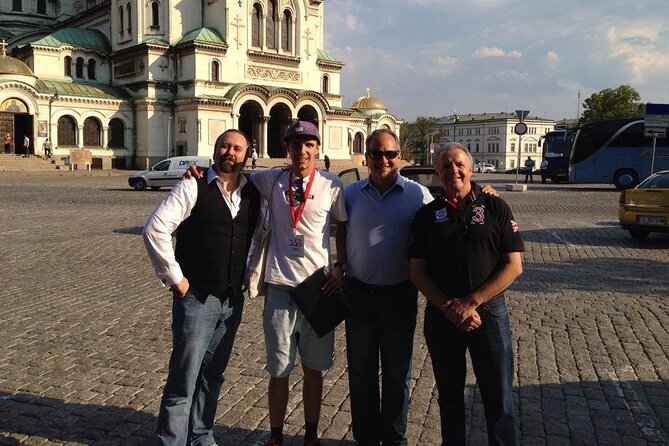
Sofia’s center is a history book laid open under your feet. In about two hours, this private walk links Roman ruins, Orthodox churches, a mosque, a synagogue, royal buildings, and communist-era government offices, ending at Alexander Nevsky Cathedral.
I like the private format, since your guide can adjust the pace and explain what matters to you. I also like the route’s broad view of Sofia: its Catholic, Muslim, Jewish, Orthodox, Roman, Ottoman, royal, and communist chapters all appear within a compact city center.
The main drawback is time. There are many stops packed into two hours, so you will often get an outdoor explanation and a quick look rather than a full interior visit. At $183.90 per person, this makes the tour best value for a small group that wants context, not a long museum visit.
Key points before you book
- A cross-section of Sofia’s past: Roman Serdika, Ottoman-era buildings, royal Sofia, World War II damage, and communist reconstruction all appear on one walk.
- Private attention: Only your group takes part, with a certified local English-speaking guide.
- A strong final stop: Alexander Nevsky Cathedral gives the route a memorable finish after the city’s smaller churches and monuments.
- Guides with a personal style: Vasil is praised for his tourism background and enthusiasm, while Mina is noted for using anecdotes to make the city easier to understand.
- A fast central route: The walk begins at Saint Nedelia Cathedral and ends at Alexander Nevsky Cathedral, so plan on steady walking and short stops.
- Good for first-time orientation: You pass many major landmarks without needing public transport between them.
Why this two-hour route works in Sofia
Sofia is unusually good for a walking introduction. The city center places ancient ruins beside modern roads, churches beside a mosque, and grand state buildings beside small religious monuments.
That mix is the tour’s main strength. You are not simply ticking off famous buildings. You are seeing how different eras overlap in the same few blocks.
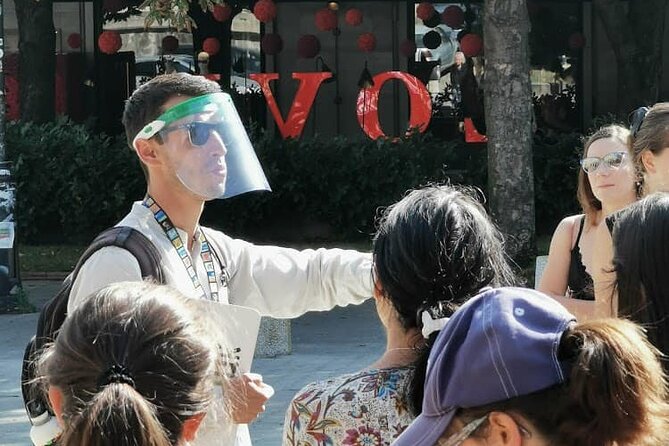
The route is private, so you do not have to fit into a large group’s rhythm. You can ask about Bulgarian history, religion, architecture, or daily life as you go. If your group has already spent time exploring alone, a guide can add the connections that are easy to miss.
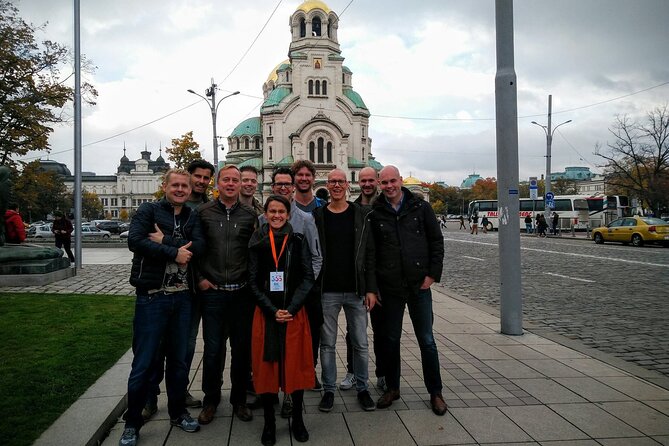
Previous guides have included Vasil and Mina. Vasil is described as having an academic background in tourism and a lively way of bringing Sofia’s past into the present. Mina is praised for her anecdotes and ability to keep a group of five engaged. Your assigned guide may be different, but these details show the sort of guiding style to expect: personal, talkative, and story-led.
The walk starts at Orthodox Cathedral Saint Nedelia, at 20 Sveta Nedelya Square, and finishes at Alexander Nevsky Square. That one-way design is useful. You are not sent back to your starting point, and the final cathedral is one of the easiest places from which to continue exploring central Sofia.
A few more Sofia trips to weigh up
- Sofia: Communist Walking Tour
★ 4.9 · 1,106 reviews - Sofia: City Monuments Guided Walking Tour with Audio Guide
★ 4.5 · 825 reviews - Communist Walking Tour of Sofia
★ 5.0 · 690 reviews
Saint Nedelia and the story of a national tragedy
The opening stop is Orthodox Cathedral Saint Nedelia. Your guide begins with a short introduction to Sofia before explaining the tragic bombing that became the biggest terrorist attack in Bulgaria.
This is a serious beginning, and it sets the tone for the tour’s better historical moments. Rather than treating the cathedral as a pretty facade, the guide uses it to explain how national events shaped the city.
You are scheduled for about 10 minutes here. Admission is not included, so do not assume the walk includes a full interior visit. The short stop is more about the building and its story than quiet time inside.
From here, the route passes the impressive Palace of Justice. This is a brief exterior sight, but it helps you read Sofia’s civic center as a collection of large institutions, not only old churches.
Catholic Sofia and Saint Sofia’s controversial statue
The next section introduces Sofia’s largest Catholic church and the small Catholic community in Bulgaria. This is a useful counterpoint to the better-known Orthodox identity of the city.
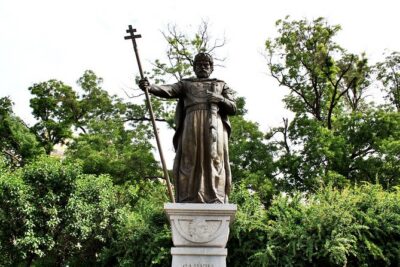
You will then reach the Monument of Saint Sofia, the city’s patron. The statue has attracted controversy, and your guide explains why. That makes this more than a photo stop. It gives you a chance to consider how modern Bulgarians choose symbols for an ancient city.
The monument stop lasts about 10 minutes, with free admission. I like this part because it moves beyond standard sightseeing. You hear not only what the statue represents, but also how public art can stir debate.
Roman Serdika beneath the modern city
At the Ancient Serdika Archaeological Complex, Sofia’s Roman past appears below the modern center. The excavations show how much of the ancient city lies beneath today’s streets and buildings.
The scheduled stop is only about five minutes, so expect a compact explanation rather than a full archaeological visit. Still, the location is important. It gives the rest of the walk a useful time scale: Sofia is not merely an old European capital, but a city built over Roman Serdika.
The nearby Church of Saint Petka of the Saddlers is small and dates from the Ottoman period. Its modest size makes it easy to overlook, especially beside Sofia’s grander buildings. Your guide explains its place in the city’s religious story.
Admission is not included at this church. Since the stop is listed at about five minutes, treat it as a quick introduction and plan a separate return if you want more time.
Same country, a completely different kind of day:
- From Sofia: Rila Monastery & Boyana Church Day Tour
★ 4.7 · 5,107 reviews - From Sofia: Must-See Rila Monastery & Boyana Church Day Tour
★ 4.6 · 3,322 reviews - From Sofia: Guided Day Tour of Plovdiv’s Must-See Sights
★ 4.6 · 1,688 reviews - From Sofia: 7 Rila Lakes and Rila Monastery Extended Trip
★ 4.7 · 1,189 reviews
The mosque, synagogue, and Sofia’s religious mix
Banya Bashi Mosque is Sofia’s only functioning mosque today. The guide uses it to explain the Bulgarian Muslim community and the city’s Ottoman chapter.
This is one of the route’s most useful transitions. In a short walk, Sofia changes from an Orthodox cathedral setting to a working Muslim place of worship. You get a clearer picture of the city when you see these traditions as part of the same urban story.
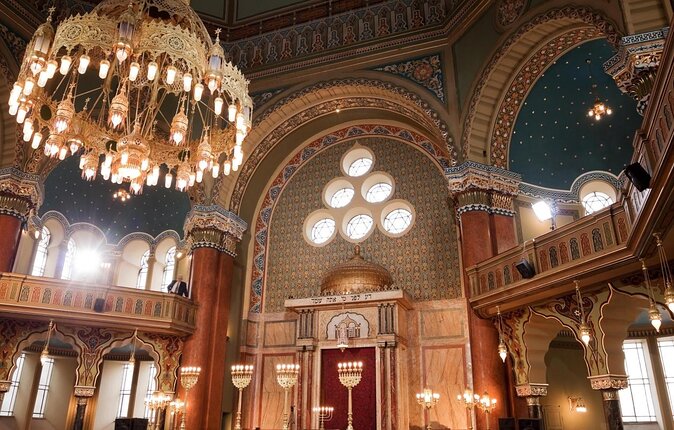
Next comes Sofia Synagogue, described as the largest on the Balkan Peninsula. The stop focuses on the extraordinary history of Bulgaria’s Jewish community.
The synagogue is another place where the guide adds value. A building can tell you where a community worships, but a good explanation helps you understand that community’s place in Bulgaria’s past. The scheduled time is about 10 minutes, and admission is not included.
These religious stops are likely to interest you most if you want more than a list of rulers and dates. They show Sofia as a city shaped by several communities, not a single tradition.
Mineral water and the former central baths
The Regional History Museum of Sofia occupies the building that once housed Sofia’s Central Mineral Baths. This stop connects the city’s public life with its famous thermal waters.
You will be able to taste the thermal water during the stop. That small sensory detail gives the tour a welcome break from looking at facades and monuments. It also helps explain why the baths mattered to Sofia’s residents.
The museum itself is not included as an admission visit. The listed stop lasts about 10 minutes, so you should expect an introduction to the building and a chance to taste the water rather than a museum tour.
The Largo, government power, and communist Sofia
The walk then reaches the Largo, the grand central complex formed after World War II. The area was built by the new communist government from the ruins of the war and was designed to project state strength.
You see the Council of Ministers, the National Assembly, and the Presidency. The route is valuable here because the buildings are not treated as neutral architecture. Their scale and arrangement were meant to communicate power.
This part also gives needed balance to Sofia’s older monuments. It shows that the city’s identity was shaped by the twentieth century as much as by Roman and Ottoman rule.
At the Presidency, Bulgarian National Guards are stationed in front of the building. Your guide explains the symbolism of this unusual duty, and you can take a picture with them. The stop is short, about five minutes, and admission is not included.
The Palace of Justice, the Largo, and the Presidency work well together. Seen in sequence, they help you understand the civic center as a stage for law, government, ceremony, and national memory.
A former mosque, a Roman rotunda, and a favorite city park
The National Archaeological Museum of the Bulgarian Academy of Sciences once served as a mosque and is now Sofia’s oldest museum. Even without entering, the building gives you another example of how religious and political uses have changed over time.
Saint Georgi Rotunda Church is Sofia’s oldest building. It is easy to miss because it is tucked into the modern city, surrounded by later structures. The guide explains its Roman origins and why this small rotunda matters.
The stop is about five minutes, and admission is not included. That short timing is enough to point out the building and its age, but not enough for a close study of its architecture or interior.
The route also passes a popular local park where you can feel Sofia’s youthful spirit. The information does not specify a separate stop duration, so expect a passing section rather than a long pause. It is a useful change of pace after the government buildings and ancient remains.
Ivan Vazov, yellow cobblestones, and royal Sofia
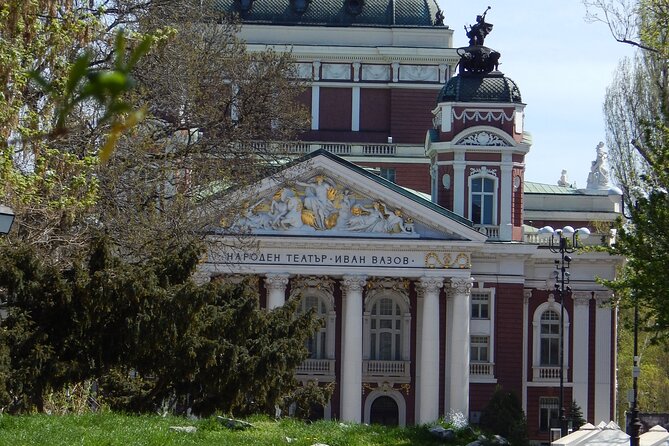
Ivan Vazov National Theater is one of Sofia’s most attractive buildings. It is dedicated to Ivan Vazov, one of Bulgaria’s most beloved authors.
The theater provides a welcome look at Bulgaria’s literary culture. A city tour that includes writers, not just generals and rulers, gives you a better sense of national identity.
You then reach the National Art Gallery, housed in Bulgaria’s former Royal Palace. The building now also contains the National Ethnographic Museum. Your guide explains the story of the yellow cobblestones around it, a distinctive detail that helps tie the building to Sofia’s royal past.
The gallery and ethnographic museum are not included as interior visits, and the listed stop is about five minutes. If art or royal history interests you, mark the building for a separate visit after the tour.
This section is particularly good for first-time orientation. The theater, park, former palace, and cobblestones show Sofia as a cultural and royal capital, not only an archaeological site.
The Russian Church and Bulgarian national memory
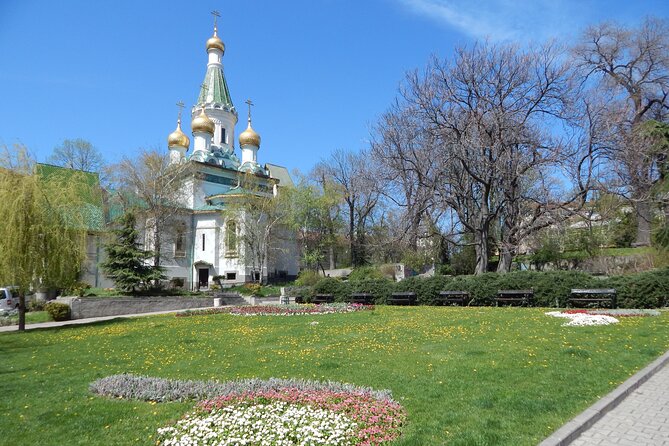
Saint Nikolas Russian Church is a small but memorable stop. The guide explains the local belief connected with making wishes there and the story behind that custom.
This is the sort of detail that makes a walking tour feel local rather than purely academic. You get a bit of folklore alongside the architecture.
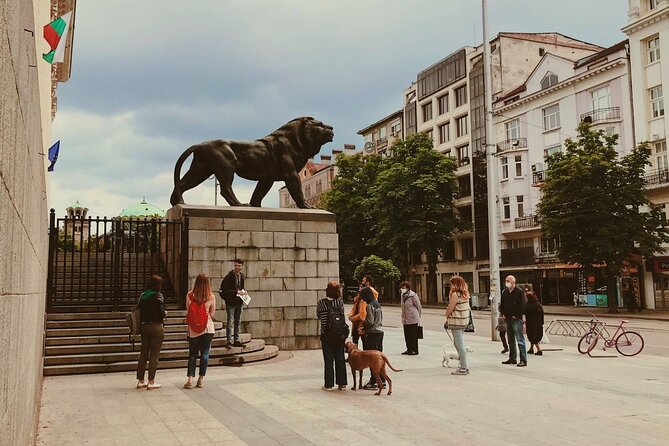
The Monument of the Unknown Soldier follows. A lion statue and memorial complex honor Bulgarian heroes. Your guide places the monument within the country’s wider memory of war and sacrifice.
Each stop lasts about five minutes, so the emphasis remains on explanation and orientation. You may want to return later for a quieter look, especially if you prefer to spend time reading memorial inscriptions.
Saint Sophia and the grand finish at Alexander Nevsky
Saint Sophia Church gives the city its name. The guide explains the story behind that connection, making this small-looking church central to understanding Sofia itself.
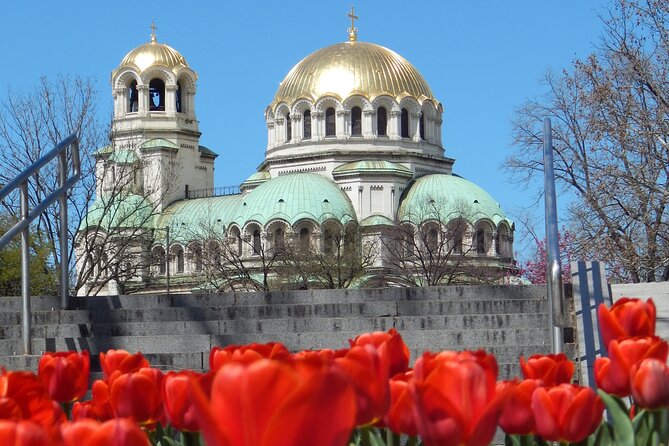
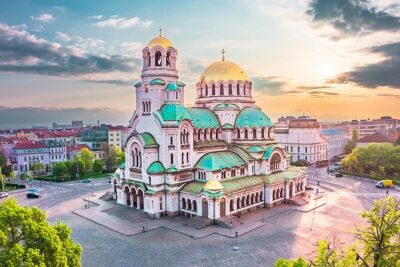
The final stop is St. Alexander Nevsky Cathedral, the city’s most famous landmark. After the route’s compact churches, working religious buildings, ancient ruins, and government offices, the cathedral provides a fitting finish.
Your guide covers its architecture, history, and place in Sofia. The scheduled stop is about five minutes, so the visit is mainly an introduction. Admission is not included, and the tour ends in the square outside.
I would plan extra time here after the walk. The cathedral deserves more than a quick photograph, and ending at this landmark makes it easy to continue your own sightseeing nearby.
What $183.90 per person buys you
At $183.90 per person, this is not a bargain-priced orientation walk. The value comes from the private format and the guide’s ability to explain a large amount of history without making you follow a crowd.
For one or two people, the price is high for only two hours. For a larger private group, group discounts may make the cost easier to justify. The booking information does not give the discount amount, so check the final price before committing.
The tour includes a certified local guide. Personal expenses, tips, and admission costs are not included. Since most stops are short and many are exterior views, you are mainly paying for interpretation, route planning, and private attention.
I would compare it with the cost of a group tour before booking. If you value questions, a flexible pace, and a guide focused only on your party, the extra cost may be worthwhile. If you simply want a list of landmarks, you can see many of these sites independently.
The experience is booked an average of 17 days ahead, which suggests that planning early is sensible. Confirmation arrives within 48 hours, subject to availability.
Who should book this Sofia walk
This tour suits you if you are visiting Sofia for the first time and want a clear map of the center. It is also useful at the start of a longer Bulgaria trip, when a short introduction can help you place later visits in context.
You will probably get the most from it if you enjoy history told through stories. The strongest praise for guides such as Vasil and Mina centers on enthusiasm, anecdotes, and the ability to make Sofia’s past easy to follow.
The route is also a good fit for a family or group that wants its own pace. Service animals are allowed, public transportation is nearby, and most people can take part.
It may not suit you if you want extended museum time, long church visits, or a slow photography walk. Two hours and roughly 17 points of interest require steady movement and brief stops.
Free cancellation is available if you cancel at least 24 hours before the local start time. Changes or cancellations made later are not accepted for a refund.
FAQ
Where does the private Sofia walking tour begin?
It begins at Orthodox Cathedral Saint Nedelia, at pl. Sveta Nedelya 20 in Sofia’s Old City Center.
Where does the tour end?
The walk ends at Alexander Nevsky Square, beside St. Alexander Nevsky Cathedral.
How long does the tour last?
The tour lasts approximately two hours.
Is the tour private?
Yes. Only your group participates in the activity.
What language is offered?
The tour is offered in English.
Is a guide included?
Yes. A certified local tour guide is included.
Are entrance tickets included?
No. Admission tickets are not included. The route includes many exterior explanations, and any applicable personal admission costs are separate.
Is the thermal water tasting included?
The route includes the chance to taste Sofia’s famous thermal water at the Regional History Museum stop.
Can service animals take part?
Yes. Service animals are allowed.
What is the cancellation policy?
You can cancel for a full refund up to 24 hours before the experience begins. Cancellations or changes made less than 24 hours before the start time are not accepted for a refund.
Should you book it?
Book this walk if you want Sofia explained as a connected city rather than a pile of separate sights. The mix of Serdika, Saint Petka, Banya Bashi Mosque, the synagogue, the Largo, the royal palace, and Alexander Nevsky Cathedral gives you a strong first look at the capital.
I would especially consider it for a private group that values personal questions and for visitors arriving before a longer journey through Bulgaria. I would skip it if the $183.90 price feels steep for a fast two-hour route or if you prefer to enter museums and churches at your own pace.
For the best value, ask about the group discount, keep your expectations focused on guided context, and reserve separate time for the interiors that interest you most.
Just added around Sofia
- Veliko Tarnovo & Arbanasi Full day tour★ 5.0 · 5 reviews
- Sofia Hidden Gems: Small-Group Walking Tour with Tram Ride★ 5.0 · 7 reviews
- Private Winter Day Trip to the Rila Mountain★ 4.5 · 3 reviews
- Catacomb Tour in Sofia guided by a Local★ 4.5 · 3 reviews
- Tour to Koprivshtitsa and the Buzludzha monument incl the Seuthes Thracian Tomb★ 3.5 · 3 reviews
- Private transfer from Sofia to Plovdiv or vice versa★ 5.0 · 8 reviews
- Discover Sofia’s Unique Ancient Heritage – 5 Museums Included★ 5.0 · 3 reviews
- From Sofia: The gorges of Trun and Dragovski stone trail★ 5.0 · 6 reviews
City Tours, compared.
City Monuments Guided Walking Tour with Audio Guide
Read our review →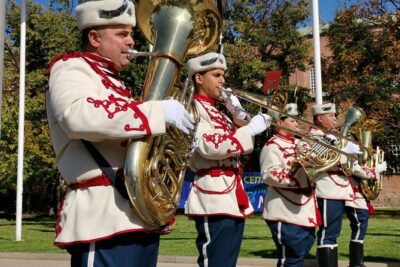

Sofia by Night: Panoramic City Tour and Folklore Dinner
Read our review →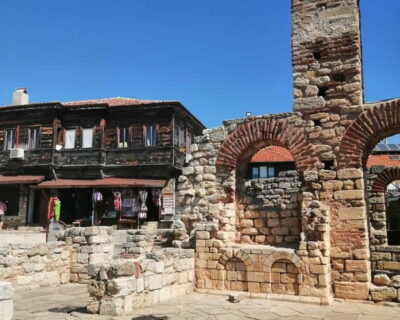
Browse the lists this tour appears in