
Reviewed · THRACIAN TOMB TOURS
From Sofia: Valley of the Thracian Kings: Hidden Treasures
The most surprising part of this day is how much Thracian history survives beneath ordinary-looking grassy mounds. From Sofia, you reach the Valley of the Thracian Kings to see painted tombs, royal burial chambers, and objects tied to a culture often overshadowed by Rome and Greece. Kazanlak’s UNESCO-listed tomb is the star, but the royal tomb of Seuthes III and the unusual Ostrusha ceiling give the day real variety.
I like two things especially: the small-group format, capped at 15 people, and the quality of the guiding. Guides such as Mica, an archaeologist and PhD candidate, Adrian, Ivan, Maria, and Metodii have helped make the long drive useful rather than wasted time. The main consideration is simple: this is a 10-hour day, with a substantial drive from Sofia and no food or drinks included.
Key points to know before booking
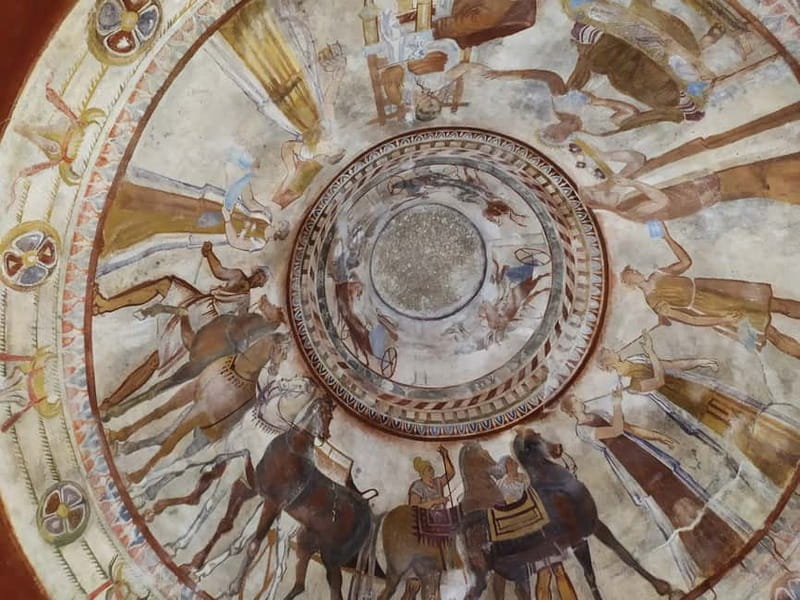
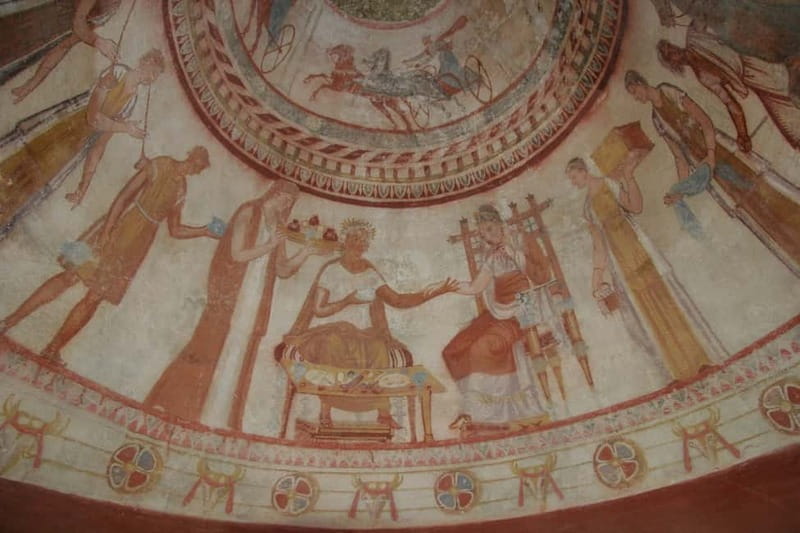
- Kazanlak’s UNESCO tomb: See original Thracian frescoes dating from the end of the 4th century BC.
- Three major burial sites: Visit the Kazanlak Tomb, Golyama Kosmatka, and Ostrusha Tomb, each with a different design and story.
- History Museum in Kazanlak: Put the tombs into context with archaeological finds from the area.
- Rose Valley scenery: The region is Bulgaria’s center for rose-oil production, with a chance to appreciate the countryside and, depending on timing, local rose and lavender oils.
- Guide-led cultural context: The drive becomes part of the experience, with discussion of Thracian culture, language, Bulgaria, Orpheus, and Spartacus.
- Good value for a full day: At $116 per person, transport, hotel pickup, entrance fees, and a professional English-speaking guide are included.
Why the Thracians make this day different
The Thracians left no large empire on the scale of Rome, and that can make their story feel elusive at first. Their world is pieced together through tombs, burial objects, artwork, and the accounts of neighboring civilizations. That uncertainty is part of the appeal. You are not simply walking through a neat chronological museum display. You are looking at clues.
The culture is linked with famous names. Orpheus appears in ancient tradition as a musician and thinker, while Spartacus became known as a gladiator and leader of a major slave revolt against Rome. The tour also introduces you to the Thracians as skilled artists, rulers, and makers of precious objects, including some of the oldest gold treasure known.
I would book this day for its archaeological focus, not for quick sightseeing. The experience asks you to look closely at painted figures, burial layouts, stone corridors, and small artistic details. If your ideal day is a series of photo stops with little explanation, this may feel slow. If you want the story behind the sites, the guide makes a major difference.
More thracian tomb tours in Sofia:
- Valley of the Thracian Kings, Hidden Treasures
★ 5.0 · 28 reviews - Tour to Koprivshtitsa and the Buzludzha monument incl the Seuthes Thracian Tomb
★ 3.5 · 3 reviews - Plovdiv: Valley of the Thracian Kings Guided Day Trip
★ 4.9 · 25 reviews
The drive from Sofia is part of the lesson
Hotel pickup in Sofia keeps the morning straightforward. You travel by private vehicle, with an English-speaking guide and a group limited to 15 participants. Some departures may be much smaller. One guest had a private-feeling day as the only person booked, while another group consisted of only three people.
The exact start time depends on availability, but you should think of the schedule as a full day away from Sofia. The drive is long enough that guide quality matters. Adrian used the road time to explain the tombs ahead and wider Bulgarian history. Maria added history, language, and culture during the trip. Ivan was praised for combining extensive information with a relaxed manner and humor.
That is useful because the sites themselves can be quiet and visually restrained. You may see a mound, a doorway, a narrow corridor, and a decorated chamber. Without context, some details could pass quickly. A good guide explains why the tomb was built, who was buried there, and what the art and objects tell us.
Transport received a very high score from the people who booked the activity, with 88 percent giving it a perfect rating. I would still bring patience for the road. This is not a short outing from Sofia, and the return journey comes after a full day of walking and concentration.
Kazanlak’s UNESCO tomb and its painted interior
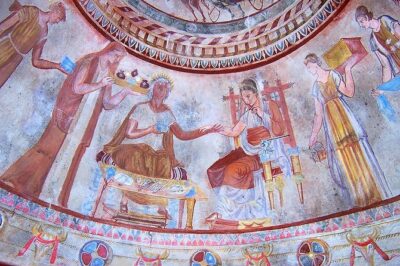
The Thracian Tomb of Kazanlak is the most important stop for many people. Dating from the end of the 4th century BC, it is recognized by UNESCO for its original and unusually well-preserved frescoes. The tomb is considered a masterpiece of Thracian artwork.
The word original matters here. Ancient painted decoration is fragile, so preservation shapes how such sites are visited. The main value is not size. It is the chance to see an ancient burial space where the decoration has survived in place, giving you a direct connection to Thracian beliefs and artistic skill.
Your guide can help you read the scenes rather than simply admire the colors. Pay attention to the way the paintings cover the interior and how the decoration works with the shape of the chamber. This is the sort of stop where a few quiet minutes and a clear explanation are worth more than a rushed photograph.
Kazanlak is also associated with the Valley of the Roses, Bulgaria’s main rose-oil-producing region. The area’s beauty was valued by the Thracians, who chose it as a preferred burial ground for members of the nobility. The setting helps explain why the tombs are gathered here, rather than scattered randomly across the country.
Do not assume the valley will be filled with roses in bloom. The timing of flowering varies, and one visit took place without flowers. Even so, the regional connection remains interesting, and the countryside gives the day a welcome change from Sofia’s urban setting.
The History Museum in Kazanlak
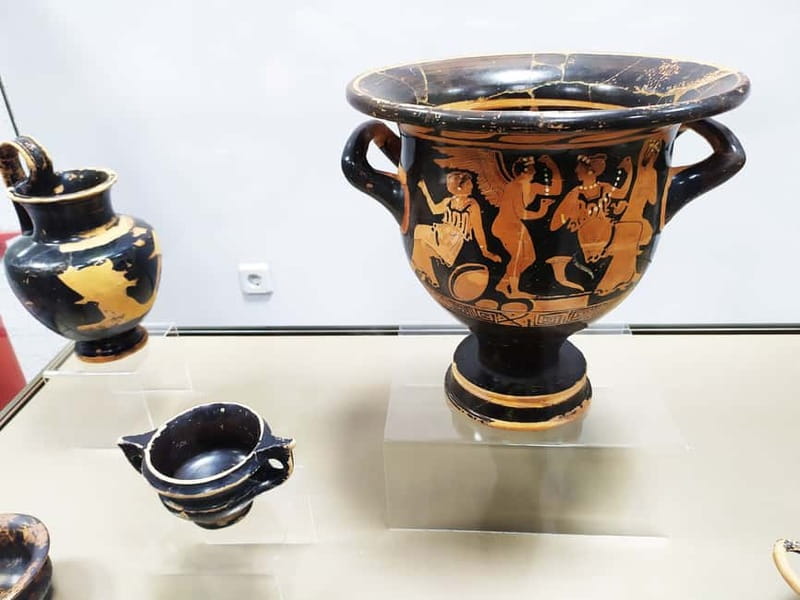
The History Museum in Kazanlak helps turn separate tomb visits into a larger story. Instead of seeing only empty chambers and painted walls, you can look at archaeological objects connected with the region and learn how finds are studied and displayed.
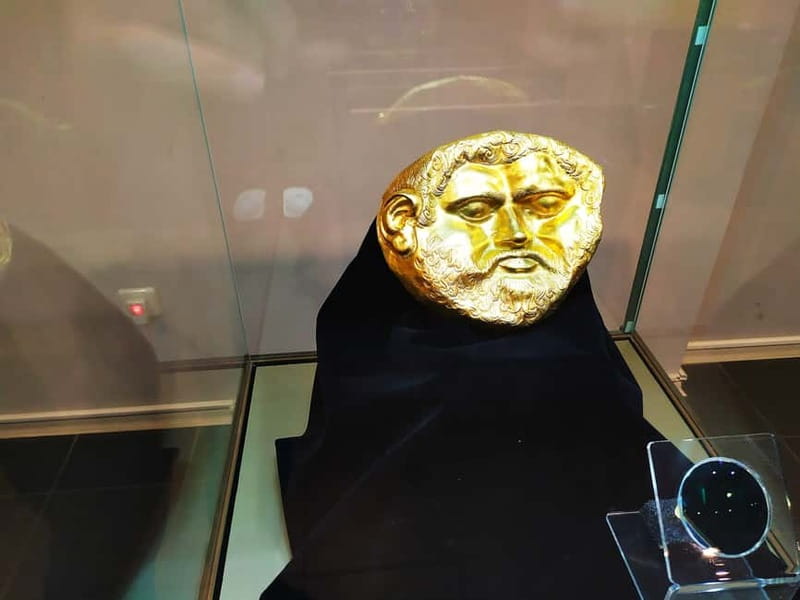
The museum is especially useful after, or alongside, the tomb visits because it gives you a chance to compare original burial spaces with the objects recovered from them. One especially interesting point is that some artefacts from one of the tombs have returned to Bulgaria and are now on display. That also points to an uncomfortable part of archaeology: many ancient burials were looted, and much of what once belonged to them is missing.
I would not treat the museum as a filler stop. It is where the broader Thracian story gains physical evidence. A guide can point out what makes one object important and explain how it relates to the rulers, artists, or burial customs connected with the valley.
If you have time before or after this tour, a visit to Sofia’s Archaeological Museum can add useful background. The Thracian floor costs 5 Bulgarian leva, according to the information provided by the tour experience. That is not required, but it could help you recognize more of the objects and themes during the day.
Same country, a completely different kind of day:
- From Sofia: Rila Monastery & Boyana Church Day Tour
★ 4.7 · 5,107 reviews - From Sofia: Must-See Rila Monastery & Boyana Church Day Tour
★ 4.6 · 3,322 reviews - From Sofia: Guided Day Tour of Plovdiv’s Must-See Sights
★ 4.6 · 1,688 reviews - From Sofia: 7 Rila Lakes and Rila Monastery Extended Trip
★ 4.7 · 1,189 reviews
Golyama Kosmatka, the tomb of Seuthes III
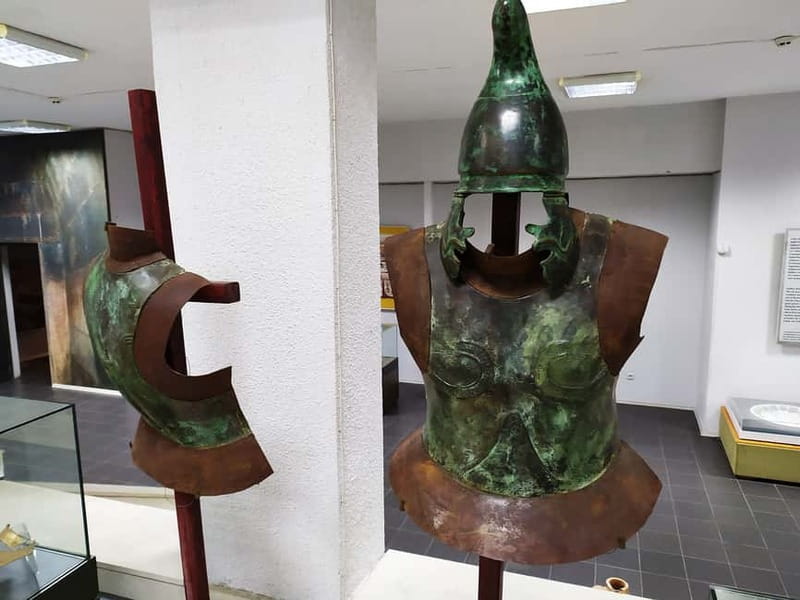
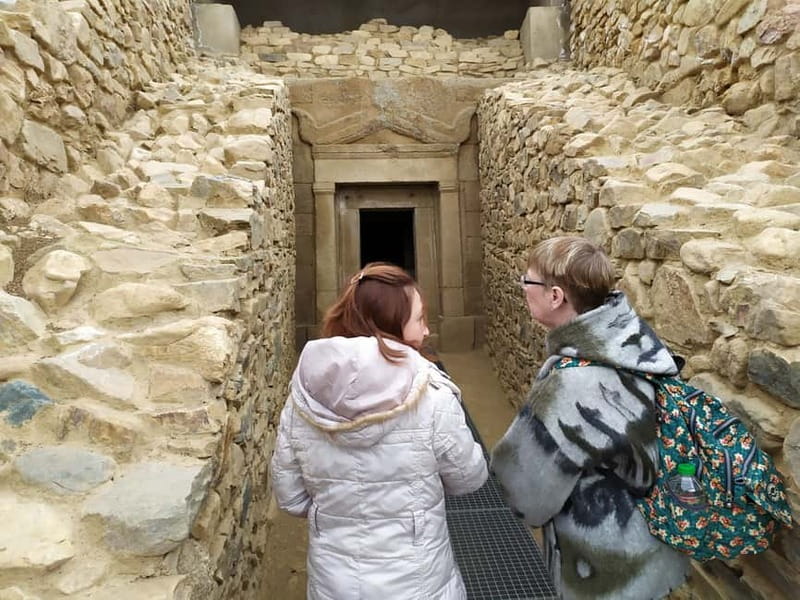
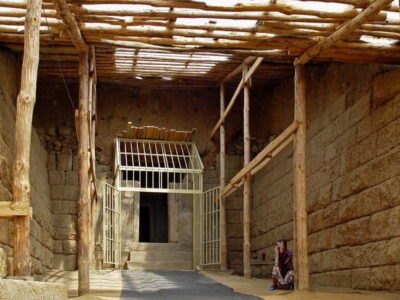
The next major stop is the Tomb of Seuthes III, also called the Golyama Kosmatka mound. It is associated with the Thracian king Seuthes III and dates from the 5th century BC.
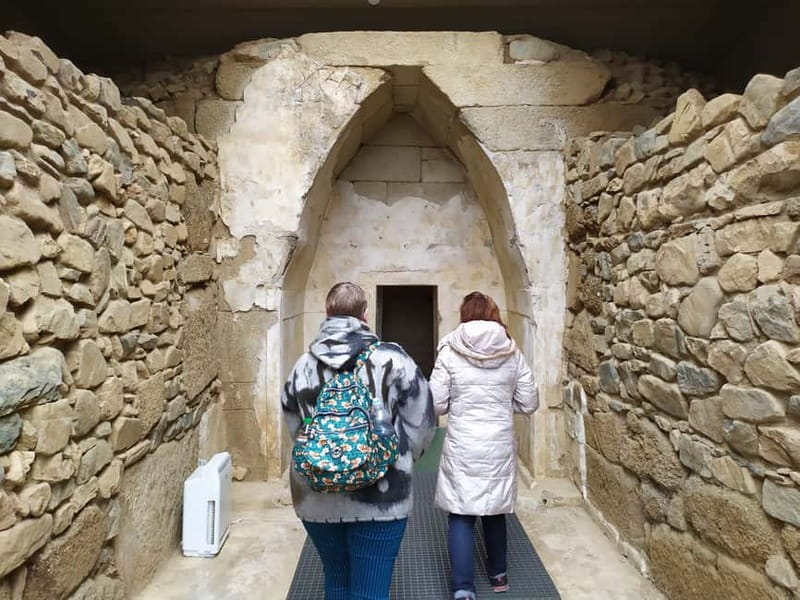
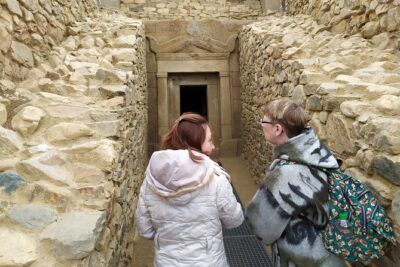
The tomb has three chambers and one corridor. That layout gives you a stronger sense of procession than a single-room burial. You move through a designed sequence, with the corridor leading toward the burial spaces. The arrangement suggests that the tomb was meant to carry meaning, not simply provide a practical place for remains.
Many valuable objects and works of art were found here, making it one of the richest Thracian burials discovered so far. The objects matter because they show the status of the person buried there and the level of craftsmanship available to Thracian elites.
This is also a good stop for anyone interested in how archaeology works. The mound itself may look understated from outside, but the importance lies below ground and in the evidence recovered there. Your guide’s explanation is essential. Mica’s archaeological training, for example, would suit visitors who want more than a quick date and name, while guides such as Metodii have been praised for adding extra detail and, in one case, an additional tomb.
Ostrusha and its remarkable ceiling
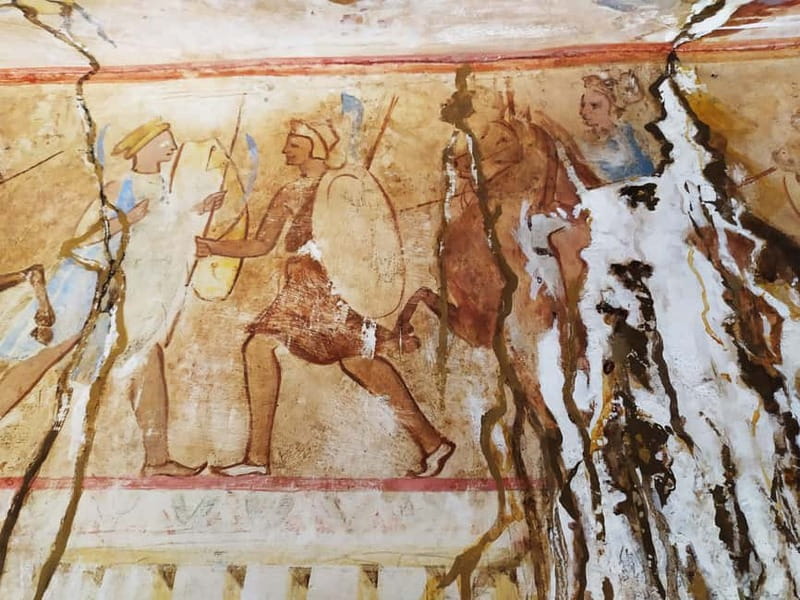
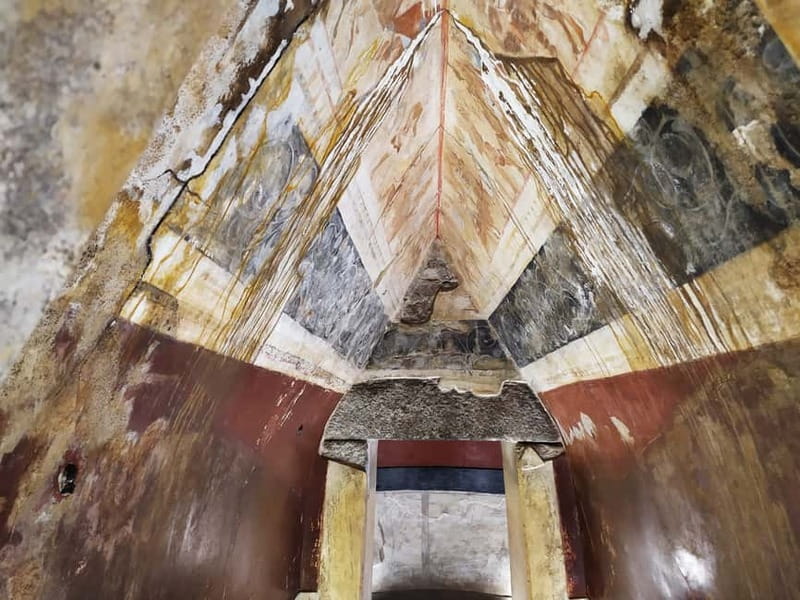
Ostrusha Tomb dates from the 4th century BC and is best known for its ceiling. Its decoration combines relief work with fine painted details, including portraits, colorful figures, and floral ornaments.
This makes Ostrusha a different experience from Kazanlak. At Kazanlak, the main impact comes from the preserved frescoes and the scenes across the tomb interior. At Ostrusha, you should look upward and study the unusual mixture of carved and painted decoration.
Portraits are particularly useful for bringing the ancient world down to a human scale. You are not only considering kings and burial customs in the abstract. You are looking at faces and figures created by artists more than two thousand years ago.
The stop also rewards a slower pace. Give yourself time to notice the combination of textures, colors, relief, and plant motifs. A rushed visit would miss the reason Ostrusha is included. It is not just another mound on a list. Its ceiling gives you a fresh example of Thracian artistic choices.
The Rose Valley setting
The Valley of the Thracian Kings is also called the Valley of the Roses, and the two names describe different layers of the same place. The first points to ancient royal burials. The second points to Bulgaria’s modern rose-oil production.
The scenery helps connect the archaeological sites to their surroundings. You pass through a picturesque rural area that the Thracians clearly valued when choosing burial places for their nobility. The region is not merely a backdrop for the monuments. It is part of why the monuments are here.
If your timing is right, you may have a short stop connected with the valley and the chance to smell the area’s famous produce. One small group was able to pick up rose and lavender oils, described as a welcome extra to the archaeology. This is not presented as the main purpose of the tour, so I would see it as a pleasant possibility rather than a guaranteed shopping stop.
The valley will not look the same in every season. Rose blooms may not be present, but the countryside still gives you a better feel for the region than a museum-only visit would.
What $116 includes, and what it does not
The $116 price covers hotel pickup and drop-off in Sofia, private-vehicle transport, entrance fees, and a professional English-speaking guide. For a 10-hour excursion that reaches a different province and includes several archaeological sites, that is a reasonable package, especially if you value explanation and door-to-door transport.
The price is less attractive if you mainly want independent access to one monument. In that case, a long guided day may feel like more than you need. Here, though, the cost includes the parts that are difficult to arrange efficiently on your own: transport between spread-out sites, admission fees, and interpretation during the drive and at the monuments.
Food and drinks are not included. Plan around that fact, since the day is long. The available information does not specify a restaurant stop or meal arrangement, so do not book expecting lunch to be built into the price. Bring a passport or ID card as requested.
The activity allows cancellation up to 24 hours ahead for a full refund, and you can reserve now and pay later. Those terms are useful when your Sofia schedule is still changing.
Which guide will shape your day?
The listed language is English, but the individual guide can shape the experience in a noticeable way. Mica, also written as Meeka in one account, is a professional archaeologist and PhD candidate. She has been described as warm, calm, flexible, and highly informed.
Adrian used the long drive to build a story about the tombs and Bulgaria. Ivan combined historical detail with conversation and humor. Maria brought in language and culture as well as archaeology. Metodii was praised for passion and for adding an extra tomb on one occasion. Other guides named in the available experiences include Todor and Angel.
You cannot necessarily choose a particular guide when booking, so treat these names as examples of the guiding style available rather than a promise. The consistent pattern is clear: this tour works best when you ask questions. Several people had an especially good day because the guide explained more than the basic facts and was comfortable talking throughout the long outing.
Who should book this Thracian day trip?
I would recommend it to you if ancient history, archaeology, and cultural context are high on your list. It suits someone who wants to understand why the Thracians matter to Bulgaria and who is happy to spend a full day visiting burial sites rather than chasing a long list of unrelated attractions.
It also suits solo visitors. The small-group setup can feel personal, and the guide provides company during the drive. Couples and small groups will appreciate the private vehicle and included pickup, particularly if they do not want to work out transportation between the tombs.
I would hesitate if you want a relaxed half-day outing, a food-focused tour, or a highly polished photo experience. The roads take time, the sites require attention, and food is your responsibility. The value comes from the amount of history covered and the guide’s ability to make the evidence understandable.
Should you book From Sofia: Valley of the Thracian Kings?
Book it if you want a serious introduction to Thracian Bulgaria in one day. Kazanlak’s UNESCO frescoes, Seuthes III’s multi-chamber tomb, Ostrusha’s decorated ceiling, the Kazanlak museum, and the Rose Valley create a strong sequence of stops.
The best reason to go is the guiding. Names such as Mica, Adrian, Ivan, Maria, and Metodii have been associated with detailed, friendly explanations, and that matters more here than flashy presentation. Just accept the long day, arrange your own food, and bring identification. For an archaeology-minded visitor, $116 buys a useful and unusually focused day beyond Sofia.
FAQ
How long does the tour last?
The tour lasts 10 hours, including travel from Sofia to the Thracian Kings Valley and back.
What is the price per person?
The price is $116 per person.
Is hotel pickup included?
Yes. Pickup and drop-off from your accommodation in Sofia are included.
What language is the tour offered in?
The tour is offered in English with a live English-speaking guide.
How large is the group?
It is a small-group tour limited to 15 participants. Some departures may be smaller.
Which archaeological sites are included?
The tour includes the Thracian Tomb of Kazanlak, the Tomb of Seuthes III, also called the Golyama Kosmatka mound, and the Ostrusha Tomb. It also includes the History Museum in Kazanlak.
Are food and drinks included?
No. Food and drinks are not included in the price.
What should I bring, and can I cancel?
Bring a passport or ID card. You can cancel up to 24 hours in advance for a full refund, and the tour offers a reserve-now, pay-later option.
Just added around Sofia
- Veliko Tarnovo & Arbanasi Full day tour★ 5.0 · 5 reviews
- Private Winter Day Trip to the Rila Mountain★ 4.5 · 3 reviews
- Sofia Hidden Gems: Small-Group Walking Tour with Tram Ride★ 5.0 · 7 reviews
- Catacomb Tour in Sofia guided by a Local★ 4.5 · 3 reviews
- Tour to Koprivshtitsa and the Buzludzha monument incl the Seuthes Thracian Tomb★ 3.5 · 3 reviews
- Private transfer from Sofia to Plovdiv or vice versa★ 5.0 · 8 reviews
- Discover Sofia’s Unique Ancient Heritage – 5 Museums Included★ 5.0 · 3 reviews
- From Sofia: The gorges of Trun and Dragovski stone trail★ 5.0 · 6 reviews
Thracian Tomb Tours, compared.
Rose Valley-Valley of the Thracian Kings – private tour from Plovdiv
Read our review →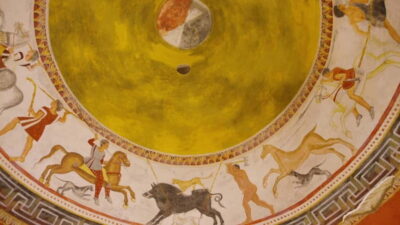
Perperikon, Haskovo and Thracian Tomb Full-Day Trip
Read our review →
A Day trip to the Thracian Kings, The Valley of Roses & Buzludzha
Read our review →
Thracian Valley wine tasting – private day tour from Plovdiv
Read our review →
Browse the lists this tour appears in