
Reviewed · THRACIAN TOMB TOURS
Valley of the Thracian Kings, Hidden Treasures
The most striking part of this day is simple: you leave Sofia’s city streets and enter a countryside filled with ancient burial mounds. The Valley of the Thracian Kings holds about 1,300 tumuli, and only around 300 have been excavated. Inside a handful of them, you find art made for Thracian rulers more than 2,000 years ago.
I like two things right away. Round-trip transport from any point in Sofia removes a major planning headache, and the included entrance fees make the $119.27 price easier to judge. I also like the mix of tombs and the Iskra Historical Museum, since the museum helps you make sense of artifacts that are not inside the small burial chambers.
The main drawback is the long road time. You spend roughly three hours going out and another two and a half hours returning, so the guide has a big job: good commentary can turn the drive into part of the experience, while a weak guide can leave you with a very long, quiet day.
Key points before you book
- Four Thracian tombs in one countryside circuit: You see different burial designs rather than one isolated monument.
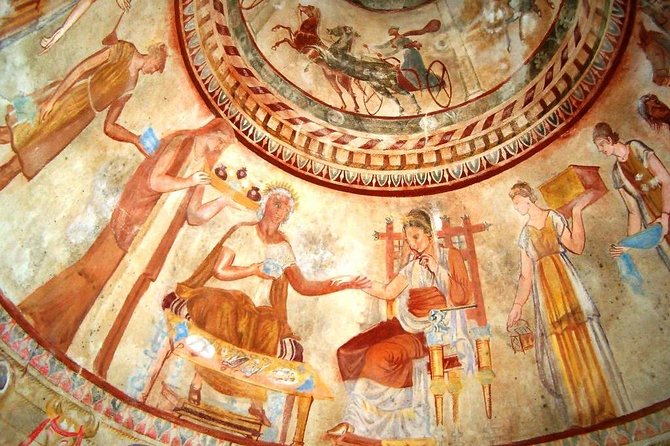
- Kazankak Tomb’s original frescoes: The UNESCO-listed tomb is prized for its well-preserved paintings from the end of the fourth century BC.
- Ostrusha’s unusual ceiling: Relief work, portraits, colorful figures, and floral decoration make this tomb especially distinctive.
- An archaeological museum after the tombs: Iskra Museum displays artifacts and Thracian art that give context to the sites.
- A small-group feel may be possible: The operator describes groups of up to seven and private tours, while the stated maximum is 15 people.
- Guide choice matters: Ivan, Krassimir, Lyubo, Mikla, Meto, Daniel, and Adrian have all been named positively, but one poor guide experience shows why it is sensible to ask who is assigned.
Why the Valley of the Thracian Kings is worth the long drive
The Thracians are often reduced to a few famous names, such as Orpheus and Spartacus. This trip gives you something more solid than a myth. You see burial architecture, wall paintings, decorative work, and objects connected with an ancient culture that once occupied much of Bulgaria.
The valley is also known as the Valley of the Roses, a center for rose-oil production. That gives the drive a useful second layer. You are not simply heading from one museum to another. You pass through an area tied to both ancient burial customs and a major Bulgarian agricultural tradition.
I would choose this trip if you want archaeology in its original setting. The tombs are not grand halls built for crowds. Several are small, and their scale is part of the point. You get a close look at spaces designed for elite burials, rather than a broad collection of monumental ruins.
The route also gives you a look at rural Bulgaria. One guide pointed out fields of sunflowers stretching to the horizon, and the journey can include views of mountains, plains, villages, agriculture, and industry. On clear sections of the route, you may also see Shipka and Buzludzha in the distance.
More thracian tomb tours in Sofia:
- From Sofia: Valley of the Thracian Kings: Hidden Treasures
★ 4.7 · 36 reviews - Tour to Koprivshtitsa and the Buzludzha monument incl the Seuthes Thracian Tomb
★ 3.5 · 3 reviews - Plovdiv: Valley of the Thracian Kings Guided Day Trip
★ 4.9 · 25 reviews
The three-hour ride from Sofia
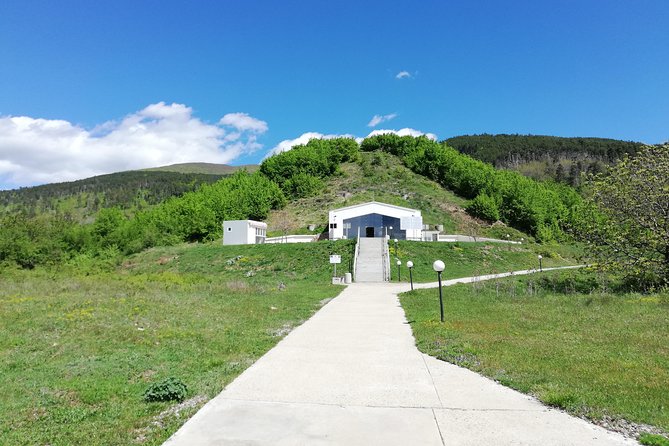
Pickup begins at 8:00 a.m., and the operator collects customers from any point in Sofia. That is useful if you are staying away from the main hotel zone or do not want to navigate a city meeting point before a long day.
Transport is by private vehicle, with hotel pickup and drop-off included. The vehicle has been described as a comfortable van, and small groups of two or three people have operated on some departures. The stated maximum is 15 people, while the operator also says it organizes groups of up to seven and offers private tours. Ask about your group size and vehicle before booking if personal space matters to you.
The drive takes about two and a half to three hours each way. That is the central practical fact of this excursion. I would not book it expecting a quick outing with nonstop sightseeing. You are committing to a full day, with a large share spent on the road.
A strong guide makes this time useful. Ivan was praised for adding anecdotes and connecting Thracian culture to Bulgaria’s past. Krassimir was described as dedicated and willing to add an extra stop. Lyubo brought a master’s degree in history and gave wider explanations of Bulgarian events. Mikla was praised as an easy person to talk with during the long drive, while one guide identified as an active archaeologist offered detailed insight into excavation and preservation.
That is not a small detail. The road time is long enough that the guide’s English, energy, and subject knowledge can shape your entire impression. One disappointing experience involved almost no commentary during the drive and only about ten minutes of discussion about the Thracians at the sites. If possible, ask BulTrips in advance who will guide your departure and whether that person will provide historical commentary in English.
Kazanlak Tomb and the power of original art
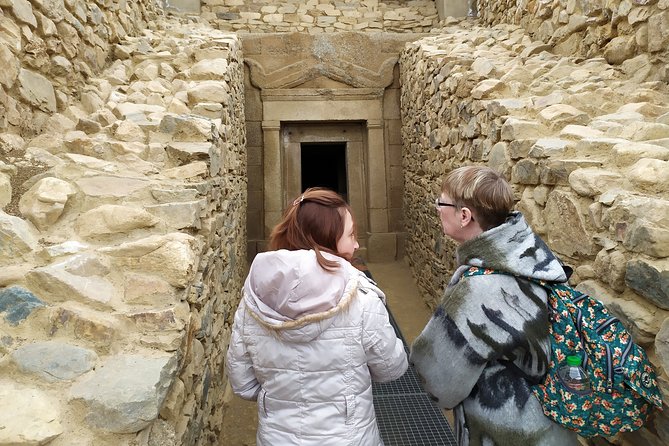
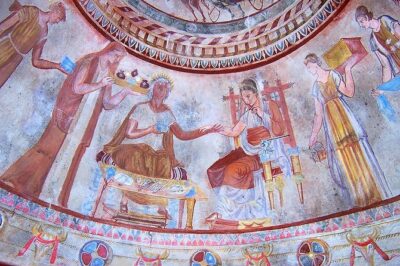
The first major focus is the Thracian Tomb of Kazanlak, dating from the end of the fourth century BC. Its original frescoes are unusually well preserved, and the tomb is recognized as a UNESCO World Heritage site.
The paintings are the reason this stop matters. You are not only looking at stone construction or a burial mound from the outside. You are seeing the artistic program created for a Thracian tomb, with its decoration still carrying much of its visual force.
The visit is part of a three-hour tomb section that includes the other burial sites. That time is not only for Kazanlak, so you should expect a focused visit rather than a slow, unlimited examination of every detail.
The tombs can be small. That means the guide’s explanation becomes important because you may not have room for a long self-guided stop or a wide view of the interior. A good guide can point out what to notice, explain how the burial spaces relate to one another, and place the frescoes in the setting of Thracian elite culture.
Griffins Tomb and the wealth of a Thracian burial
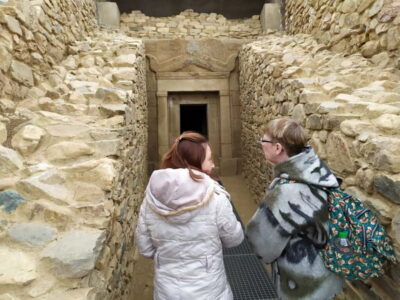
Griffins Tomb dates from the fifth century BC and has three chambers connected by a corridor. Its layout differs from Kazanlak, which is one reason the route works better than a single-tomb visit.
Many valuable artifacts and works of art were found at the site. It is described as one of the richest Thracian burials found so far, giving you a useful reminder that these mounds were not merely graves. They were carefully planned spaces linked to status, ceremony, and the beliefs of the people who built them.
I would pay attention here to the design as much as to the objects. The corridor and multiple chambers show how each tomb had its own plan. Seeing several sites in a day lets you compare them, even if the visits themselves are brief.
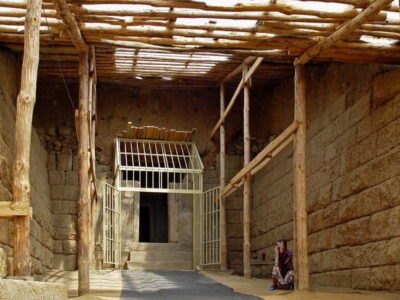
The supplied information refers to four additional Thracian tombs in the larger program, while the detailed route names Kazanlak, Griffins, and Ostrusha. The practical descriptions from the experience indicate four tombs are visited in total, with one described as an excellent reconstruction. Confirm the exact sites included on your date, since the named stops and the broader description do not line up perfectly.
Same country, a completely different kind of day:
- From Sofia: Rila Monastery & Boyana Church Day Tour
★ 4.7 · 5,107 reviews - From Sofia: Must-See Rila Monastery & Boyana Church Day Tour
★ 4.6 · 3,322 reviews - From Sofia: Guided Day Tour of Plovdiv’s Must-See Sights
★ 4.6 · 1,688 reviews - From Sofia: 7 Rila Lakes and Rila Monastery Extended Trip
★ 4.7 · 1,189 reviews
Ostrusha Tomb and its decorated ceiling
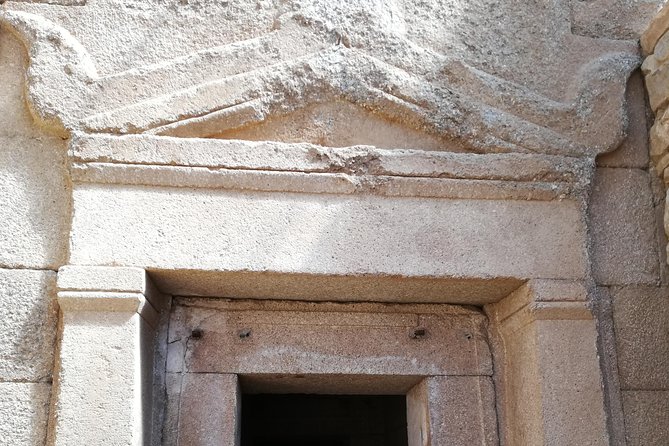
Ostrusha Tomb dates from the fourth century BC. Its main attraction is the ceiling, which combines relief work with fine decoration.
Look for the different forms of ornament: portraits, colorful figures, and floral designs. This is a different visual experience from simply walking into a stone chamber. The ceiling shows how much attention went into the upper surface of the tomb, a place you might otherwise overlook.
Ostrusha is a good example of why this excursion suits people who enjoy details. You need time to look carefully, and you need enough explanation to understand why the decoration is unusual. If your guide has an archaeology or history background, ask about the preservation and excavation of the site. One guide with active archaeological work gave particularly useful explanations of how the tombs were maintained and uncovered.
The sites are in the countryside, so the setting adds to the day. You are surrounded by open farmland and distant mountain views rather than dense city development. That quiet setting helps you picture the burial mounds as part of a larger area, not as isolated objects placed in a museum yard.
Iskra Historical Museum puts the tombs in context
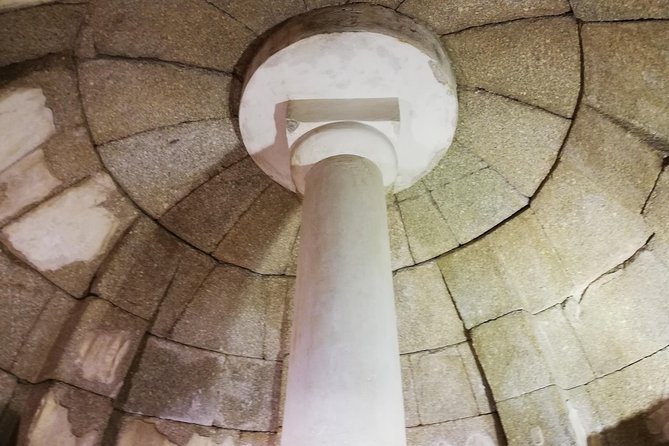
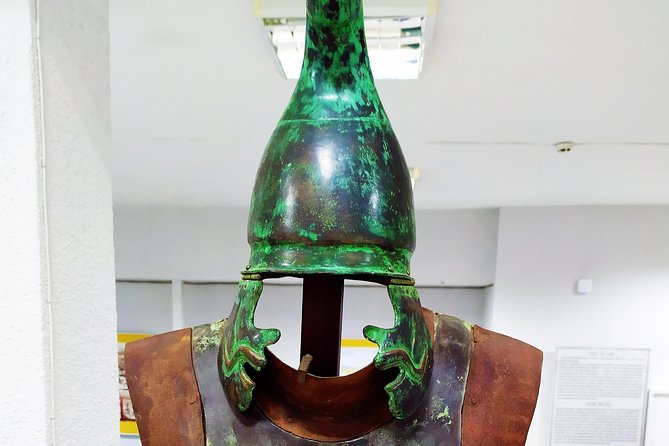
After the tomb visits, you spend about an hour at the Iskra Historical Museum, a regional archaeological museum. This is an important final stop because many objects recovered from tombs are no longer inside the burial chambers.
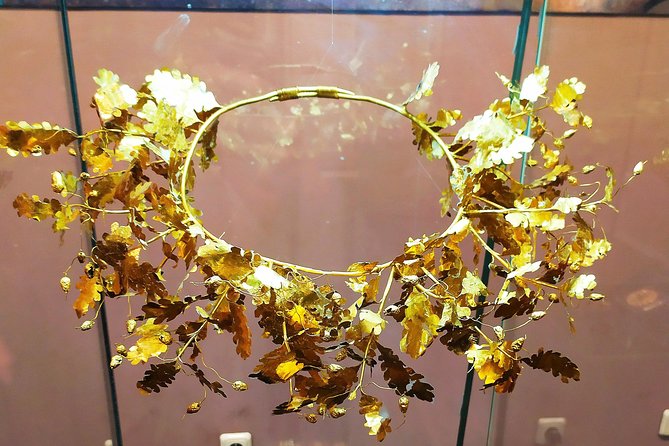
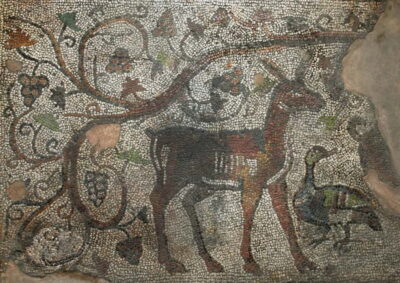
The museum contains artifacts from the tombs, along with examples of Thracian art and material culture. I like this order: first you see the structures, then you see the objects that help explain them. Without a museum stop, you could leave with strong impressions of painted walls and stone corridors but only a hazy idea of daily life, craftsmanship, or burial customs.
The museum also helps balance the limits of the tomb interiors. Since some chambers are small and site displays can be selective, the collection gives you more material to examine at your own pace. Guides have been praised for explaining Thracian culture within the wider story of Bulgaria, which is exactly what you want here.
After the museum, you face the long drive back to Sofia. The return takes about two and a half hours, and the tour information does not include food or drinks. Bring water and plan for a meal stop only if your guide arranges one. Daniel, one guide, took a customer to a pleasant restaurant for lunch, but that is not listed as a guaranteed part of the tour, so ask before relying on it.
What the $119.27 price really covers
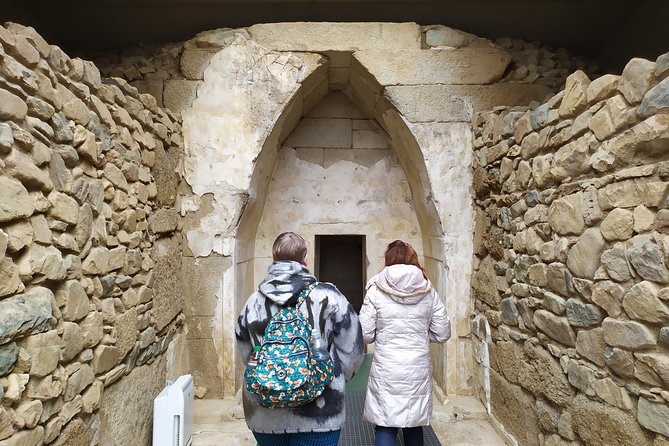
At $119.27 per person, this is not a budget bus outing, but the price includes several costly and useful pieces: a professional English-speaking guide, private-vehicle transport, hotel pickup and drop-off, and entrance fees at the attractions.
The value improves if you are traveling with limited time in Bulgaria. Reaching the Valley of the Thracian Kings independently would require arranging transport, finding the tombs, paying each admission, and working out the museum visit. Here, the operator handles the long transfer and the day’s basic structure.
The price is harder to justify if you mainly want a quick look at one famous tomb. The drive is too long for that. You should book only if the Thracians, archaeology, and rural Bulgarian scenery are central interests.
Group size also affects value. A departure with two or three people in a comfortable van feels very different from a full vehicle of 15. Small groups of up to seven and private departures are offered, but availability may vary. Ask before booking if you want the quieter format.
The guide can make or break this experience
This is a guide-led archaeology day, not a route where signs do all the teaching. I would treat the guide assignment as part of the booking decision.
Several named guides have brought strong credentials or engaging personalities. Ivan was praised for clear explanations and useful anecdotes. Krassimir gave detailed information and added an extra stop. Lyubo connected the tombs to wider Bulgarian history and was described as lively. Mikla helped make the long drive more enjoyable through conversation. Meto and Adrian were also praised for their attention and command of Bulgarian history.
At the same time, one poor experience involved a driver who seemed unhappy to be working on a Sunday holiday, offered little historical explanation, and struggled to answer questions. That criticism matters because the tombs are small and some of the most important context comes from spoken interpretation.
You cannot control every guide assignment, but you can send a message before booking. Ask for the guide’s name, background, and plan for commentary during the drive. If the answer is vague, you may want to choose a private tour or another departure.
Who should book this day trip from Sofia?
I would recommend it most strongly to you if you:
- Enjoy archaeology, ancient art, and burial customs
- Want to see parts of Bulgaria beyond Sofia
- Are comfortable spending five to six hours in a vehicle
- Prefer a guide to explain what you are seeing
- Like comparing several sites rather than visiting one famous monument
- Appreciate a museum stop after an outdoor or archaeological visit
Families can book, but children must be accompanied by an adult, and everyone should have a moderate level of physical fitness. The experience is near public transportation, though the included pickup means you may not need to use it.
I would hesitate if you dislike long drives, need a flexible meal schedule, or prefer to explore museums and monuments without a guide. This is also not the best choice if you expect a constant stream of stories from Sofia to the valley. The quality of the commentary depends heavily on the person assigned.
Free cancellation is available if you cancel at least 24 hours before the start time. Changes or cancellations made later are not accepted for a refund, and the cut-off uses local Bulgarian time.
My verdict on the Thracian Kings tour
The Valley of the Thracian Kings is one of Bulgaria’s strongest history outings from Sofia, but it demands a full day and a good guide. Kazanlak’s frescoes, Griffins Tomb’s multi-chamber plan, Ostrusha’s decorated ceiling, and the Iskra Museum give you a varied look at Thracian culture rather than a single quick monument.
I like the included transport and admissions, especially for a first visit to Bulgaria. I also like the chance to see rural fields, villages, and distant mountains along the way. The price is fair when the group is small and the guide has a real background in history or archaeology.
Book it if the ancient Thracians are a priority and you are ready for a long road day. Before paying, ask who will guide you and what tombs are scheduled. With an informed, engaged guide, this can be one of the best ways to connect Bulgaria’s myths, archaeology, and countryside. With a disengaged driver, the same route can feel far too long.
FAQ
How long does the Valley of the Thracian Kings tour last?
The tour lasts approximately 10 hours. The outward drive takes about two and a half to three hours, and the return drive takes about two and a half hours.
What time does the tour start?
Pickup begins at 8:00 a.m. The operator offers pickup from any point in Sofia.
Is transportation included?
Yes. The price includes hotel pickup and drop-off and transport in a private vehicle.
Which attractions are included?
The route includes the Thracian Tomb of Kazanlak, Griffins Tomb, Ostrusha Tomb, additional Thracian tomb sites, and the Iskra Historical Museum. The detailed site list can vary, so confirm the exact tombs included when booking.
Are entrance fees included?
Yes. Admission fees to the attractions are included in the tour price.
Is food included?
No. Food and drinks are not included. A guide may arrange or suggest a lunch stop, but lunch is not a guaranteed inclusion.
What is the cancellation policy?
You can cancel for a full refund up to 24 hours before the experience begins. Cancellations or changes made less than 24 hours before the start time are not accepted for a refund.
Just added around Sofia
- Veliko Tarnovo & Arbanasi Full day tour★ 5.0 · 5 reviews
- Sofia Hidden Gems: Small-Group Walking Tour with Tram Ride★ 5.0 · 7 reviews
- Private Winter Day Trip to the Rila Mountain★ 4.5 · 3 reviews
- Catacomb Tour in Sofia guided by a Local★ 4.5 · 3 reviews
- Tour to Koprivshtitsa and the Buzludzha monument incl the Seuthes Thracian Tomb★ 3.5 · 3 reviews
- Private transfer from Sofia to Plovdiv or vice versa★ 5.0 · 8 reviews
- Discover Sofia’s Unique Ancient Heritage – 5 Museums Included★ 5.0 · 3 reviews
- From Sofia: The gorges of Trun and Dragovski stone trail★ 5.0 · 6 reviews
Thracian Tomb Tours, compared.
Rose Valley-Valley of the Thracian Kings – private tour from Plovdiv
Read our review →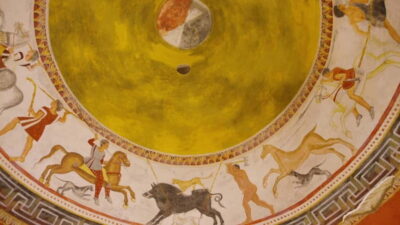
Perperikon, Haskovo and Thracian Tomb Full-Day Trip
Read our review →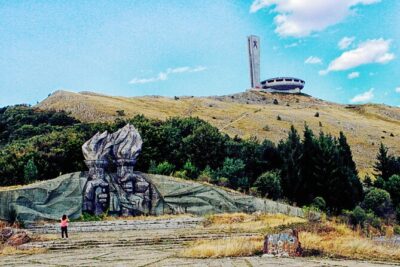
A Day trip to the Thracian Kings, The Valley of Roses & Buzludzha
Read our review →
Thracian Valley wine tasting – private day tour from Plovdiv
Read our review →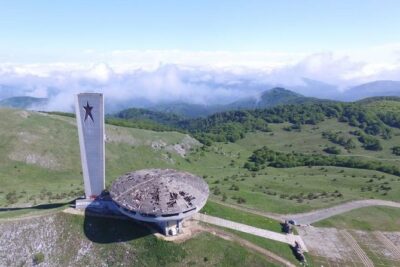
Browse the lists this tour appears in